纺织学报 ›› 2026, Vol. 47 ›› Issue (07): 34-43.doi: 10.13475/j.fzxb.20260301001
• 第二十八届中国科协年会学术论文·减污降碳共性技术突破专栏· • 上一篇 下一篇
杨洁1, 董震1,2( )
)
YANG Jie1, DONG Zhen1,2()
摘要:
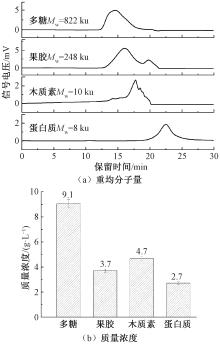
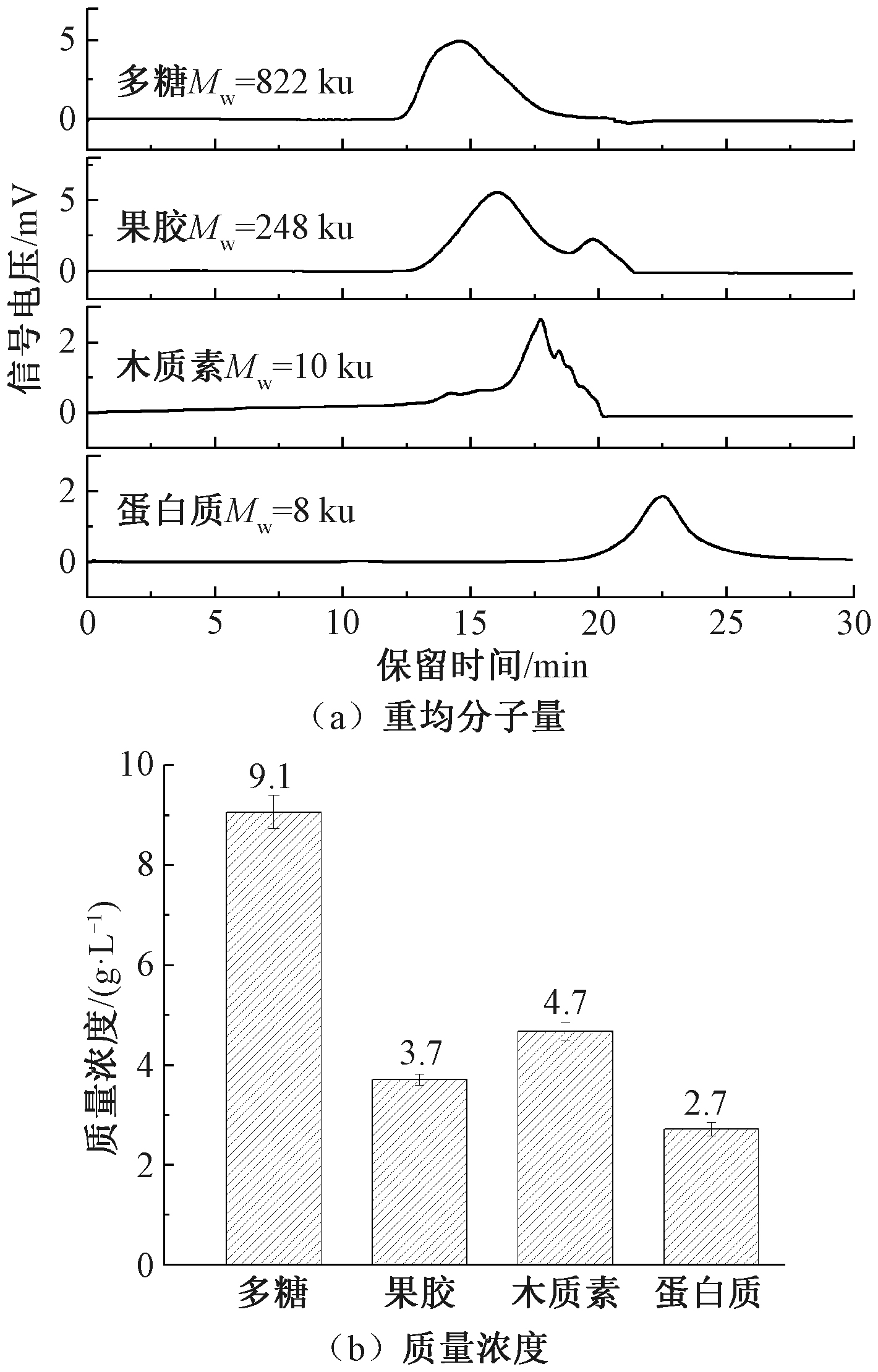
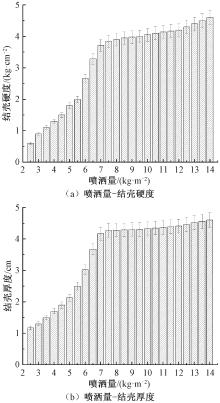
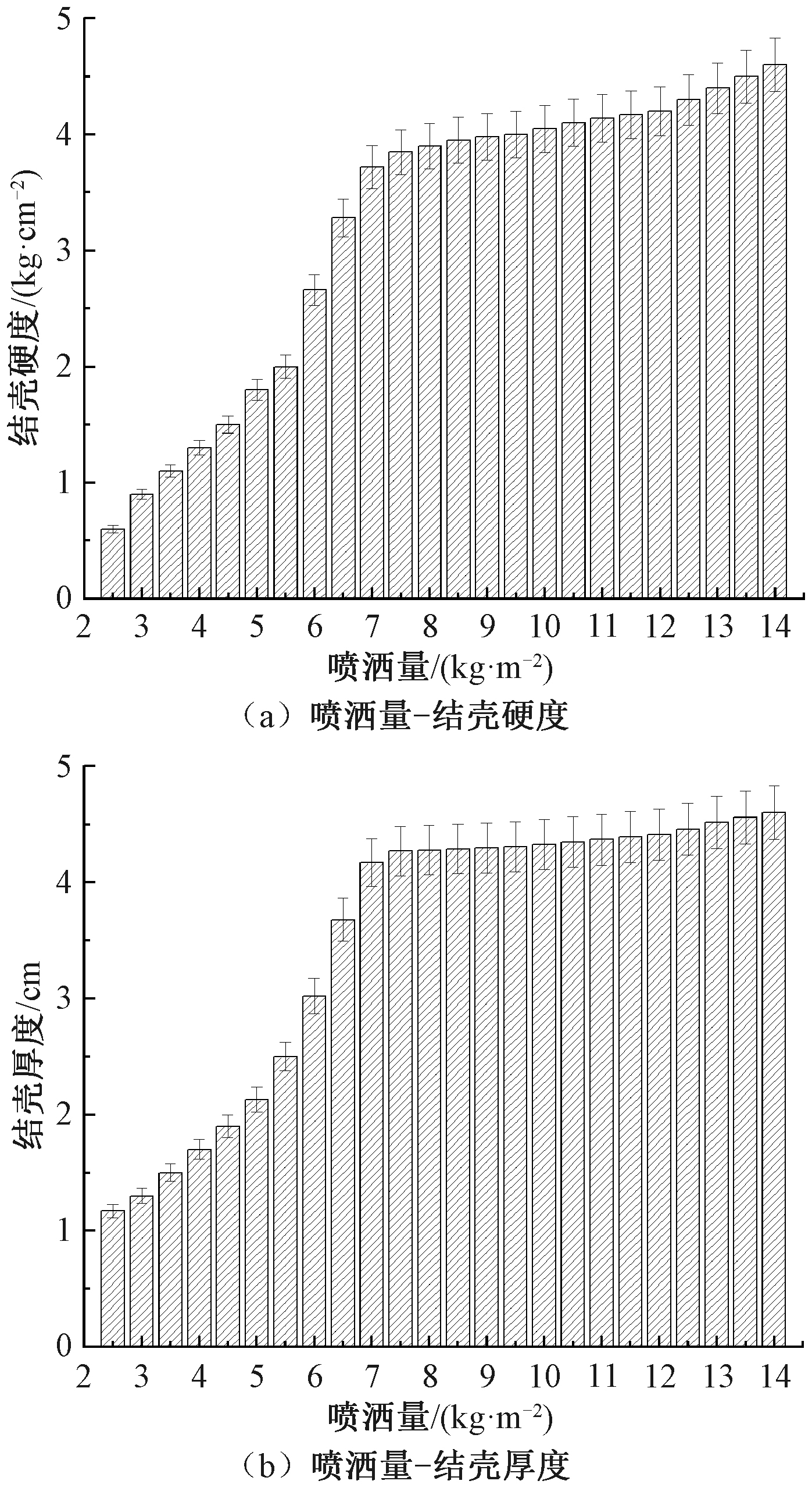
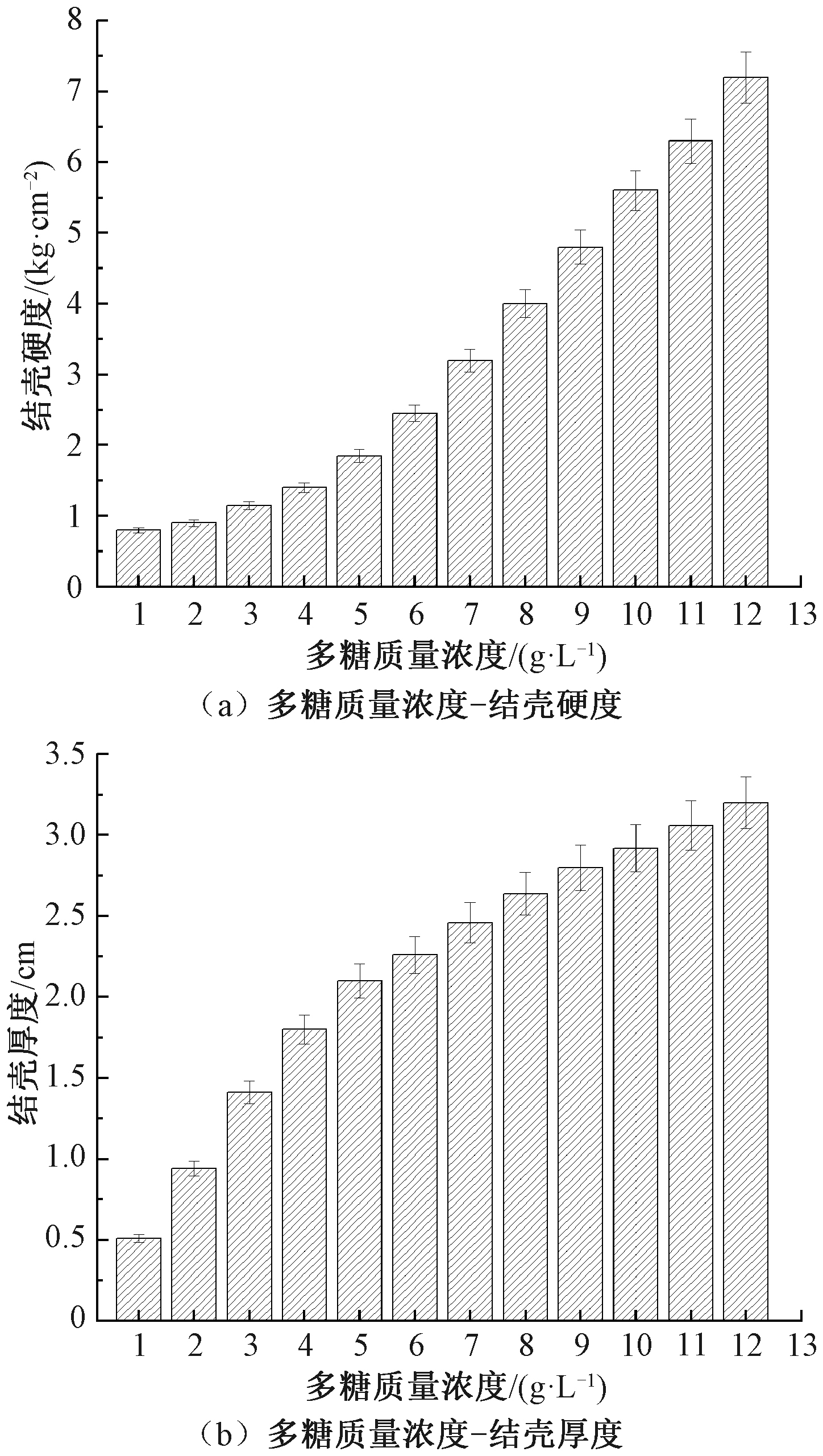
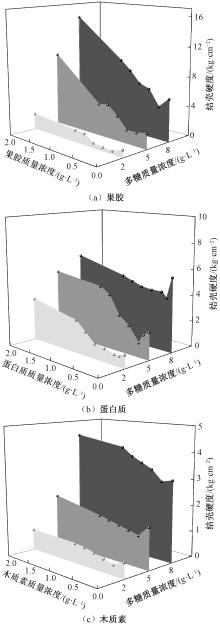
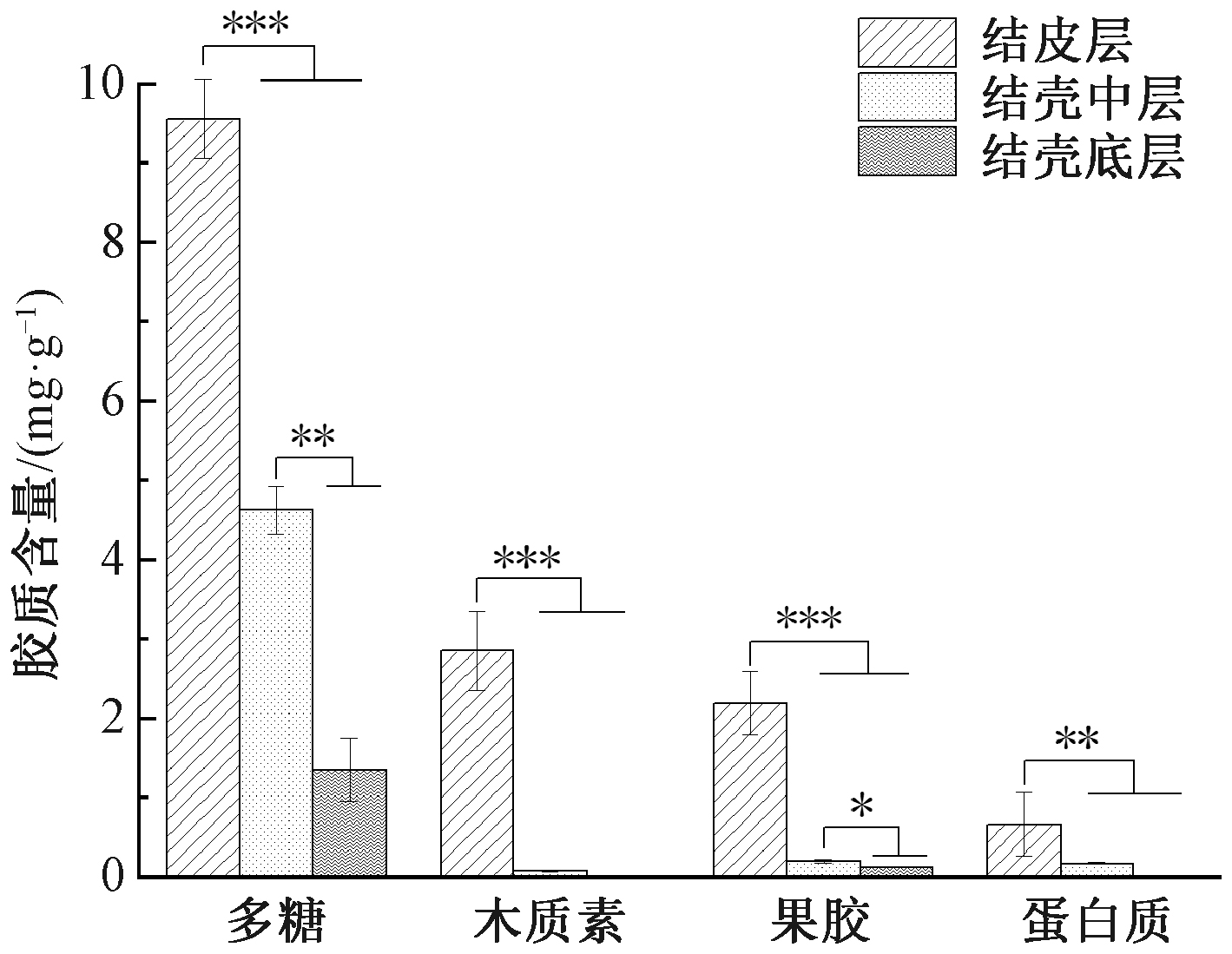
针对大麻脱胶废水处理难、荒漠化治理亟需低成本生态固沙剂的现状,应用大麻脱胶废水黏结沙粒,从工艺参数优化、多胶质组分影响、结壳特征及保水性等方面探究其固沙应用潜力,并与聚乙烯醇(PVA)、木质素等固沙材料进行比较。结果表明:脱胶废水中多糖的重均分子量(822 ku)和质量浓度(9.1 g/L)远高于其它胶质组分,是结壳成形的关键物质;为制备硬度理想的结壳,优选喷洒量5 kg/m2、多糖质量浓度5 g/L;达到同等结壳硬度时,所需多糖浓度比PVA高52%,较木质素低85%。整体而言,提高果胶、蛋白质与木质素浓度可提升多糖结壳硬度,但低质量浓度区间(0~0.2 g/L)下3类胶质均对多糖固沙产生抑制作用;沿结壳厚度从上而下,各胶质含量与多糖重均分子量均呈递减分布,结壳密度也随之逐渐减小。适合固沙的多糖重均分子量需在50~500 ku之间;多糖结壳的水分保留率可达30.3%,优于PVA结壳(27.6%)和木质素结壳(18.1%),更利于种子萌发。研究证实,大麻脱胶废水可作为优良的生态固沙材料。
中图分类号:
| [1] |
DONG Z, XU F, YANG J. A novel approach to cost-effective utilization of flax polysaccharides: sand fixation[J]. International Journal of Biological Macromolecules, 2025, 322: 146925.
doi: 10.1016/j.ijbiomac.2025.146925 |
| [2] |
施朝禾, 秦智慧, 赵树元, 等. 不同醇及助剂对大麻有机溶剂脱胶效果的影响[J]. 纺织学报, 2022, 43(10): 77-82.
doi: 10.13475/j.fzxb.20210801406 |
|
SHI Zhaohe, QIN Zhihui, ZHAO Shuyuan, et al. Effects of different alcohols and additives on organic solvent degumming for hemp fibers[J]. Journal of Textile Research, 2022, 43(10): 77-82.
doi: 10.13475/j.fzxb.20210801406 |
|
| [3] | 孙颖, 李端鑫, 于洋, 等. 大麻纤维的芬顿法脱胶及其性能[J]. 纺织学报, 2022, 43(8): 95-100, 106. |
| SUN Ying, LI Duanxin, YU Yang, et al. Degumming of hemp fibers using Fenton method and fiber properties[J]. Journal of Textile Research, 2022, 43(8): 95-100, 106. | |
| [4] | 俞春华, 冯新星, 贾长兰, 等. 大麻纤维高温-酶联合脱胶技术[J]. 纺织学报, 2007, 28(6): 79-82. |
| YU Chunhua, FENG Xinxing, JIA Changlan, et al. Hemp retting by the combined action of high temperature boiling and enzymes[J]. Journal of Textile Research, 2007, 28(6): 79-82. | |
| [5] | 李端鑫, 孙颖, 于洋, 等. 精细化工业大麻纤维的制备及其性能研究[J]. 毛纺科技, 2021, 49(12): 8-12. |
| LI Duanxin, SUN Ying, YU Yang, et al. Preparation and research of refined industrial hemp fiber[J]. Wool Textile Journal, 2021, 49(12): 8-12. | |
| [6] | 秦煜, 李娴, 郁崇文. 一步沉淀法测定大麻纤维果胶与水溶物含量[J]. 上海纺织科技, 2025, 53(3): 84-86, 94. |
| QIN Yu, LI Xian, YU Chongwen. Determining the content of pectin and water-soluble substance in hemp fiber by one-step[J]. Shanghai Textile Science & Technology, 2025, 53(3): 84-86, 94. | |
| [7] |
BOKHARI S M Q, CHI K, CATCHMARK J M. Structural and physico-chemical characterization of industrial hemp hurd: impacts of chemical pretreatments and mechanical refining[J]. Industrial Crops and Products, 2021, 171: 113818.
doi: 10.1016/j.indcrop.2021.113818 |
| [8] |
SUNANTA P, SOMBAT T, MOAPHADUNGKUL J, et al. Evaluation of value adding components from postharvest biomass of Thai medicinal cannabis var. Hang Kra Rog Phu Phan[J]. Journal of Applied Research on Medicinal and Aromatic Plants, 2024, 43: 100593.
doi: 10.1016/j.jarmap.2024.100593 |
| [9] | 李建法, 宋湛谦. 荒漠化治理中应用的有机高分子材料[J]. 林业科学研究, 2002, 15(4): 479-483. |
| LI Jianfa, SONG Zhanqian. Organic polymer materials applied in desertification control[J]. Forest Research, 2002, 15(4): 479-483. | |
| [10] |
MA G F, FENG E K, RAN F T, et al. Preparation and sand-fixing property of a novel and eco-friendly organic-inorganic composite[J]. Polymer-Plastics Technology and Engineering, 2015, 54(7): 703-710.
doi: 10.1080/03602559.2014.974271 |
| [11] |
YUAN J K, YE C W, PEI X J, et al. Runoff and soil loss characteristics on sandy soil slope with new chemical sand-fixing agent under simulated rainfall[J]. Environmental Earth Sciences, 2023, 82(11): 266.
doi: 10.1007/s12665-023-10943-x |
| [12] | 刘军, 张宇清, 秦树高, 等. 不同喷洒浓度沙蒿胶固沙效果试验[J]. 农业工程学报, 2016, 32(5): 149-155. |
| LIU Jun, ZHANG Yuqing, QIN Shugao, et al. Sand fixation experiment of Artemisia sphaerocephala Krasch. gum with different concentrations[J]. Transactions of the Chinese Society of Agricultural Engineering, 2016, 32(5): 149-155. | |
| [13] |
REN T J, GAO Y, YUAN L M, et al. Robinia pseudoacacia sand stabilizer: its sand fixation effects and mechanical properties[J]. Frontiers in Environmental Science, 2024, 12: 1304830.
doi: 10.3389/fenvs.2024.1304830 |
| [14] |
NING R X, LIU C J, CHENG X C, et al. Fabrication of multi-functional biodegradable liquid mulch utilizing xyloglucan derived from tamarind waste for agricultural application[J]. International Journal of Biological Macromolecules, 2024, 257: 128627.
doi: 10.1016/j.ijbiomac.2023.128627 |
| [15] | 王丹, 宋湛谦, 商士斌, 等. 高分子材料在化学固沙中的应用[J]. 生物质化学工程, 2006, 40(3): 44-47. |
| WANG Dan, SONG Zhanqian, SHANG Shibin, et al. Application of polymer materials to chemical sand fixation[J]. Biomass Chemical Engineering, 2006, 40(3): 44-47. | |
| [16] |
CHEN X L, LI X, SHAN X F, et al. The effects of sand-fixing agents and trichoderma longibrachiatum on soil quality and alfalfa growth in wind-sand soil[J]. Agriculture, 2025, 15(23): 2468.
doi: 10.3390/agriculture15232468 |
| [17] | 付婷婷, 孙靖辰, 韩书昌, 等. 苯酚硫酸法测定总糖含量的试验原理验证及拓展应用[J]. 广州化工, 2025, 53(10): 128-131, 138. |
| FU Tingting, SUN Jingchen, HAN Shuchang, et al. Experimental principle verification and application of phenol-sulfuric acid method for determination of total polysaccharide content[J]. GuangZhou Chemical Industry, 2025, 53(10): 128-131, 138. | |
| [18] | 姜惠萍, 刘万顺, 宋福来, 等. 改良考马斯亮蓝试剂法测定壳聚糖及其衍生物中蛋白质含量[J]. 现代食品, 2022, 28(17): 173-178. |
| JIANG Huiping, LIU Wanshun, SONG Fulai, et al. Determination of protein content in chitosan and its derivatives by modified coomassie brilliant blue reagent method[J]. Modern Food, 2022, 28(17): 173-178. | |
| [19] | 朱明月, 仝文科, 杜红娜, 等. 天然植物人参中糖醛酸含量测定方法的建立[J]. 今日畜牧兽医, 2021, 37(1): 5-7. |
| ZHU Mingyue, TONG Wenke, DU Hongna, et al. Establishment of a method for determining the content of uronic acid in the natural plant ginseng[J]. Today Animal Husbandry and Veterinary Medicine, 2021, 37(1): 5-7. | |
| [20] | 孙绍晖, 宋勇, 孙培勤, 等. 分光光度法测定生物质水解液中糠醛、酸溶木质素、还原糖的含量[J]. 太阳能学报, 2013, 34(2): 331-336. |
| SUN Shaohui, SONG Yong, SUN Peiqin, et al. Furfural, acid-soluble lignin and reducing sugar content in biomass hydrolysate by spectrophotometric method[J]. Acta Energiae Solaris Sinica, 2013, 34(2): 331-336. | |
| [21] | 谢国勋, 李艳霞, 郭富华, 等. 化学固沙剂固沙作用机理研究[J]. 宁夏农林科技, 2015, 56(12): 94-98. |
| XIE Guoxun, LI Yanxia, GUO Fuhua, et al. A study of sand-fixation mechanism of chemical sand-fixation agent[J]. Journal of Ningxia Agriculture and Forestry Science and Technology, 2015, 56(12): 94-98. | |
| [22] |
LERBRET A, ASSIFAOUI A. How accurate is the egg-box model in describing the binding of calcium to polygalacturonate a molecular dynamics simulation study[J]. The Journal of Physical Chemistry B, 2022, 126(48): 10206-10220.
doi: 10.1021/acs.jpcb.2c05374 |
| [23] |
CAO L Q, LU W, MATA A, et al. Egg-box model-based gelation of alginate and pectin: a review[J]. Carbohydrate Polymers, 2020, 242: 116389.
doi: 10.1016/j.carbpol.2020.116389 |
| [24] |
MORVAN C, JAUNEAU A, FLAMAN A, et al. Degradation of flax polysaccharides with purified endo-polygalacturonase[J]. Carbohydrate Polymers, 1990, 13(2): 149-163.
doi: 10.1016/0144-8617(90)90081-3 |
| [25] |
HAN Y M, ZHU L, ZHANG H, et al. Characteristic of the interaction mechanism between soy protein isolate and functional polysaccharide with different charge characteristics and exploration of the foaming properties[J]. Food Hydrocolloids, 2024, 150: 109615.
doi: 10.1016/j.foodhyd.2023.109615 |
| [26] |
DONG Z, LI N, DONG A X, et al. Enhancement of interface between lignocellulosic fibers and polypropylene matrix via the structure alteration of lignin at elevated temperatures[J]. Materials, 2020, 13(23): 5428.
doi: 10.3390/ma13235428 |
| [27] |
HOURDET D, MULLER G. Solution properties of pectin polysaccharides: II. conformation and molecular size of high galacturonic acid content isolated pectin chains[J]. Carbohydrate Polymers, 1991, 16(2): 113-135.
doi: 10.1016/0144-8617(91)90098-W |
| [28] | 杜宇佳. 土壤微生物膜对风沙土固沙保水性能的影响[D]. 北京: 北京林业大学, 2021: 38-40. |
| DU Yujia. Effect of soil microbial film on sand fixation and water retention of aeolian sandy soil[D]. Beijing: Beijing Forestry University, 2021: 38-40. |
| [1] | 吕丽华, 潘佳欣, 张多多. 废弃大麻纤维吸声复合材料的制备及其性能[J]. 纺织学报, 2026, 47(05): 133-140. |
| [2] | 岳航, 鹿超, 王春红, 李瀚宇. 基于主要化学成分的红麻与大麻拉伸强度预测[J]. 纺织学报, 2025, 46(08): 62-70. |
| [3] | 王春翔, 李姣, 解开放, 薛宏坤, 徐广标. 天麻多糖/聚乙烯醇静电纺抗菌保鲜膜的制备与性能[J]. 纺织学报, 2025, 46(06): 73-79. |
| [4] | 杜蕾, 王士杰, 蒋之铭, 朱平. 无卤无磷阻燃聚酰胺超细纤维合成革的制备及其性能[J]. 纺织学报, 2024, 45(11): 162-169. |
| [5] | 狄友波, 陈燮阳, 阎智锋, 殷轩, 邱纯利, 马伟良, 张向兵. 壳聚糖-聚乙烯醇协同对籽用大麻浆粕铁离子的脱除[J]. 纺织学报, 2023, 44(06): 175-182. |
| [6] | 施朝禾, 秦智慧, 赵树元, 刘柳, 张瑞云, 程隆棣. 不同醇及助剂对大麻有机溶剂脱胶效果的影响[J]. 纺织学报, 2022, 43(10): 77-82. |
| [7] | 孙颖, 李端鑫, 于洋, 陈嘉琳, 范皖月. 大麻纤维的芬顿法脱胶及其性能[J]. 纺织学报, 2022, 43(08): 95-100. |
| [8] | 张毅, 高金霞, 郁崇文. 大麻/黄麻交织物的焦磷酸钠与复合酶联合处理工艺[J]. 纺织学报, 2022, 43(06): 121-126. |
| [9] | 刘芳, 马颜雪, 陈小光, 刘书惠, 张益榛, 任志鹏, 李康琪, 童艺翾, 任泺彤, 李毓陵. 苎麻纤维厌氧生物脱胶系统工艺性能研究[J]. 纺织学报, 2020, 41(11): 89-94. |
| [10] | 郑振荣, 智伟, 邢江元, 杜换福, 徐子健. 大麻纤维草酸铵-酶联合脱胶工艺[J]. 纺织学报, 2019, 40(11): 88-93. |
| [11] | 刘菲, 李秋瑾, 巩继贤, 李政, 刘秀明, 张健飞. 层层自组装多糖微胶囊的制备及其缓释型纯棉织物修饰应用[J]. 纺织学报, 2019, 40(02): 114-118. |
| [12] | 晏江 邱华. 环锭旋流喷嘴纺麻混纺纱的性能[J]. 纺织学报, 2017, 38(10): 19-24. |
| [13] | 王迎 雷红娜 解梓畅 季英超. 等离子体氧化在大麻纤维脱胶中的应用[J]. 纺织学报, 2017, 38(07): 75-79. |
| [14] | 成莉凤 刘正初 冯湘沅 汪启明 李琦 郑科 杨琦 段盛文. 苎麻脱胶果胶复合酶的优选及其效果分析[J]. 纺织学报, 2017, 38(06): 64-68. |
| [15] | 刘笑莹 方斌 朱守艾 程隆棣 张瑞云 俞建勇. 棉/大麻纤维混纺低损耗工艺优化[J]. 纺织学报, 2017, 38(01): 35-39. |
|
||
 京公网安备11010502044800号