Journal of Textile Research ›› 2026, Vol. 47 ›› Issue (05): 161-171.doi: 10.13475/j.fzxb.20250905301

• Dyeing and Finishing Engineering • Previous Articles     Next Articles

Hydroxylamine-composite protease modification of wool and its anti-pilling performance

XIAO Qi1,2(), WANG Yuhan1, QU Jing1, PENG Jiajia1, WANG Weifu1, CHEN Wen1   

  1. 1 School of Textile Garment and Design, Suzhou University of Technology, Suzhou, Jiangsu 215500, China
    2 Key Laboratory of Functional Textile Material and Product, Ministry of Education, Xi'an Polytechnic University, Xi'an, Shaanxi 710048, China
  • Received:2025-09-15 Revised:2026-03-12 Online:2026-05-15 Published:2026-07-10

Abstract:

Objective In order to address the persistent challenge of fuzzing and pilling in wool knitted fabrics, this study aimed to develop an eco-friendly surface modification technology by integrating hydroxylamine pretreatment with bromelain-papain composite enzymatic hydrolysis. The research focused on systematically improving anti-pilling performance of wool fiber while maintaining its inherent comfort, mechanical properties, and thermal insulation, addressing the limitations of conventional chemical treatments that cause excessive fiber damage and environmental pollution.

Method This study employed hydroxylamine pretreatment in combination with bromelain-papain composite enzymatic hydrolysis to effectively cleave thioester and amide bonds on the wool surface, thereby achieving efficient removal of wool scales and enhancing anti-pilling properties. Fourier transform infrared spectroscopy(FT-IR), X-ray diffraction(XRD), X-ray photoelectron spectro scopy (XPS), thermogravimetric analysis(TGA), differentrial scanning calorimetry(DSC), and scanning electron microscopy(SEM) characterization techniques were employed to analyze the microstructural and chemical compositional changes in wool before and after treatment. Furthermore, the influence of hydroxylamine concentration, pretreatment temperature, and time, as well as the concentration, treatment temperature, time, and pH value of both individual and synergistic protease treatments on the directional friction effect of wool fibers, fabric anti-pilling performance, mechanical properties, and wearing comfort, ultimately identifying optimal process parameters were systematically investigated.

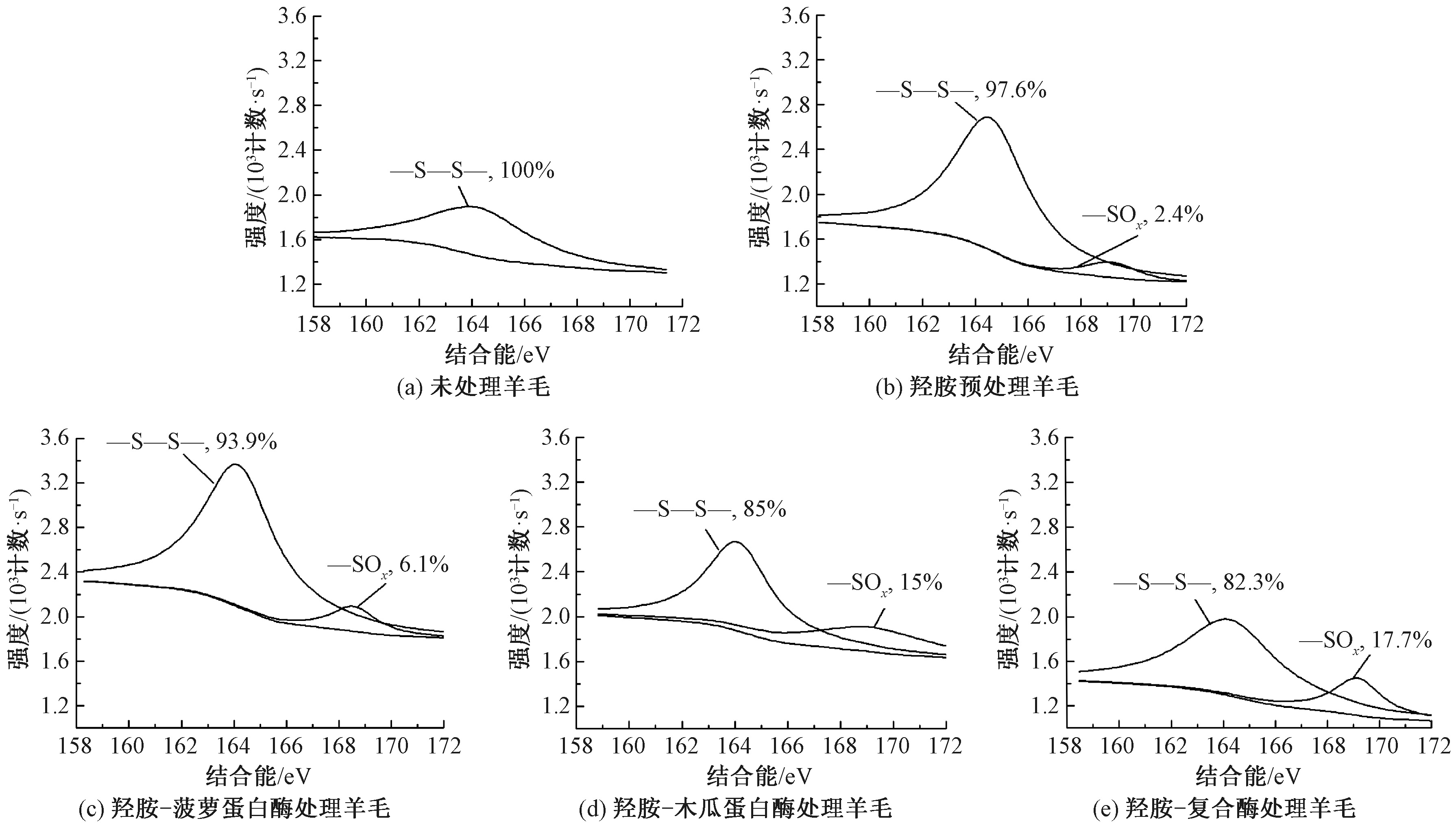
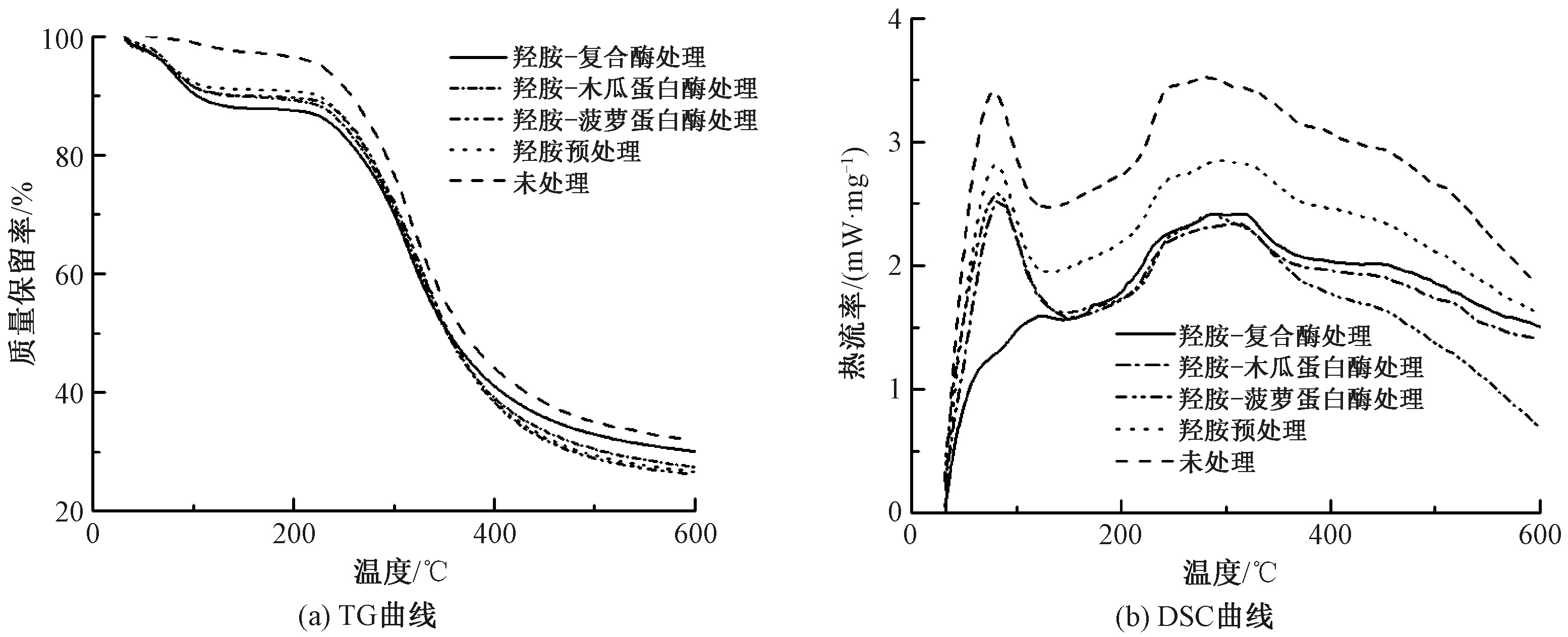
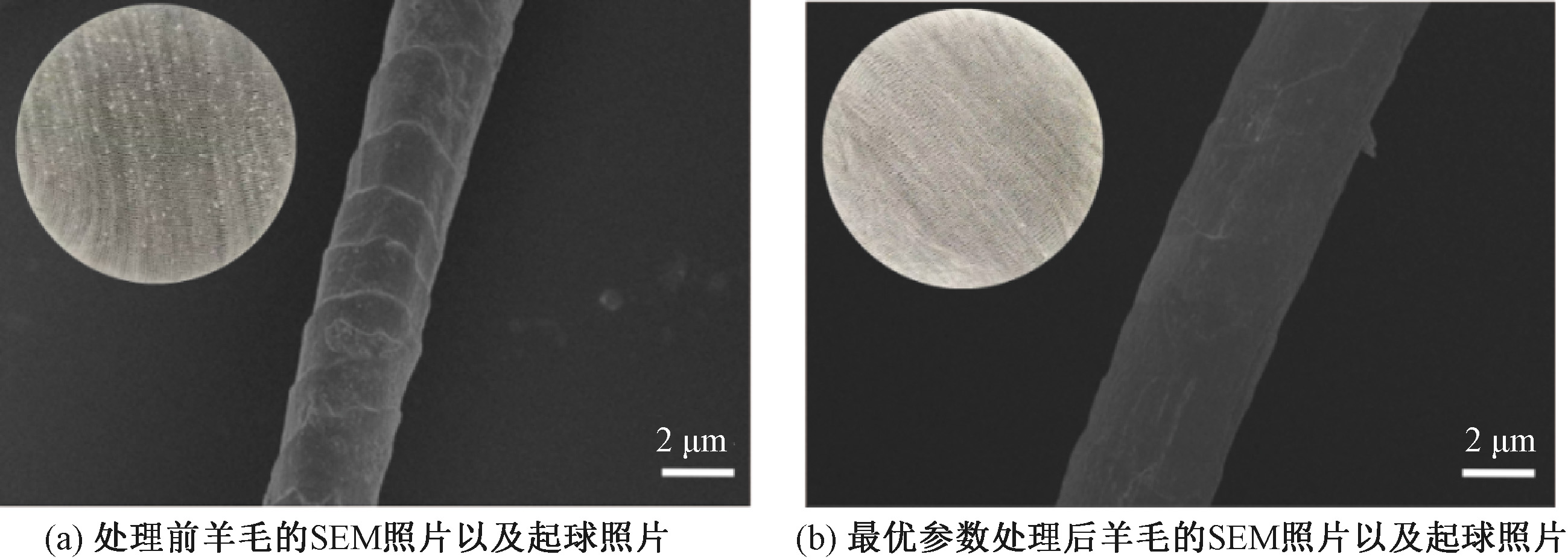
Results The modified wool demonstrated multi-dimensional enhancements validated by analytical techniques. XRD revealed a 35.6% decline in crystallinity (23.6% to 15.2%), which was corroborated by weakened amide band absorption in infrared spectroscopy, indicating disrupted keratin structures. XPS revealed a 9.6% reduction in surface carbon content (71.8% to 64.9%) and a 66.7% increase in nitrogen content (3.9% to 6.5%), reflecting chemical composition changes induced by hydroxylamine and enzymatic treatments. The slight decrease in thermal stability by TGA and DSC indirectly confirms that the wool cuticle layer has been hydrolyzed. At the same time, SEM confirmed the complete removal of the scale. Hydroxylamine pretreatment (pH=7.5, 5%, 60℃, 60 min) effectively removed lipid layers, increasing surface energy and hydrophilicity for optimal enzymatic conditions. Bromelain-papain synergistic treatment (ratio of 1∶1, 50 ℃, 50 min, pH=7.0) achieved superior scale degradation compared to single protease, elevating pilling grade to 5 (0.5 higher than single-protease systems). Functional tests revealed a 56.9% reduction in directional friction effect (12.3% to 5.3%), achieving anti-pilling grade of 5. Comfort properties were enhanced through a 23.3% improvement in moisture permeability (116.3 to 143.4 g/(m2·d)), while maintaining air permeability and top-breaking strength. The modified fabric exhibited accelerated dyeing rates and maintained thermal insulation while demonstrating exceptional wash durability, with only a 0.5-grade reduction in pilling after 10 wash cycles.

Conclusion Hydroxylamine pretreatment (pH=7.5, 5%, 60 ℃, 60 min) effectively removes the lipid layer of the wool fiber, significantly enhancing hydrophilicity and wetting performance while balancing between mechanical properties for optimal enzymatic treatment. Synergistic bromelain and papain catalysis (protease ratio of 1∶1, 50 ℃, 50 min, and pH=7.0) fully degrades scale layers, achieving pilling grade of 5, 0.5 grades better than single-protease treatments. The modified fabric demonstrated accelerated dye uptake, 23.3% higher moisture permeability, and excellent wash durability (0.5-grade reduction after 10 wash cycles), while maintaining air permeability, thermal insulation, and mechanical properties. These results collectively indicate that combined chemical-enzymatic modifications enhance the surface morphology, thermal stability, comfort, and durability of wool fabrics by controlled scale degradation and chemical optimization.

Key words: hydroxylamine, bromelain, papain, composite protease, biological protease, wool, directional friction effect, anti-pilling performance

CLC Number: 

  • TS136

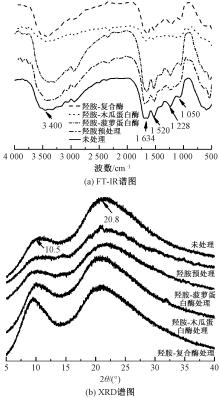
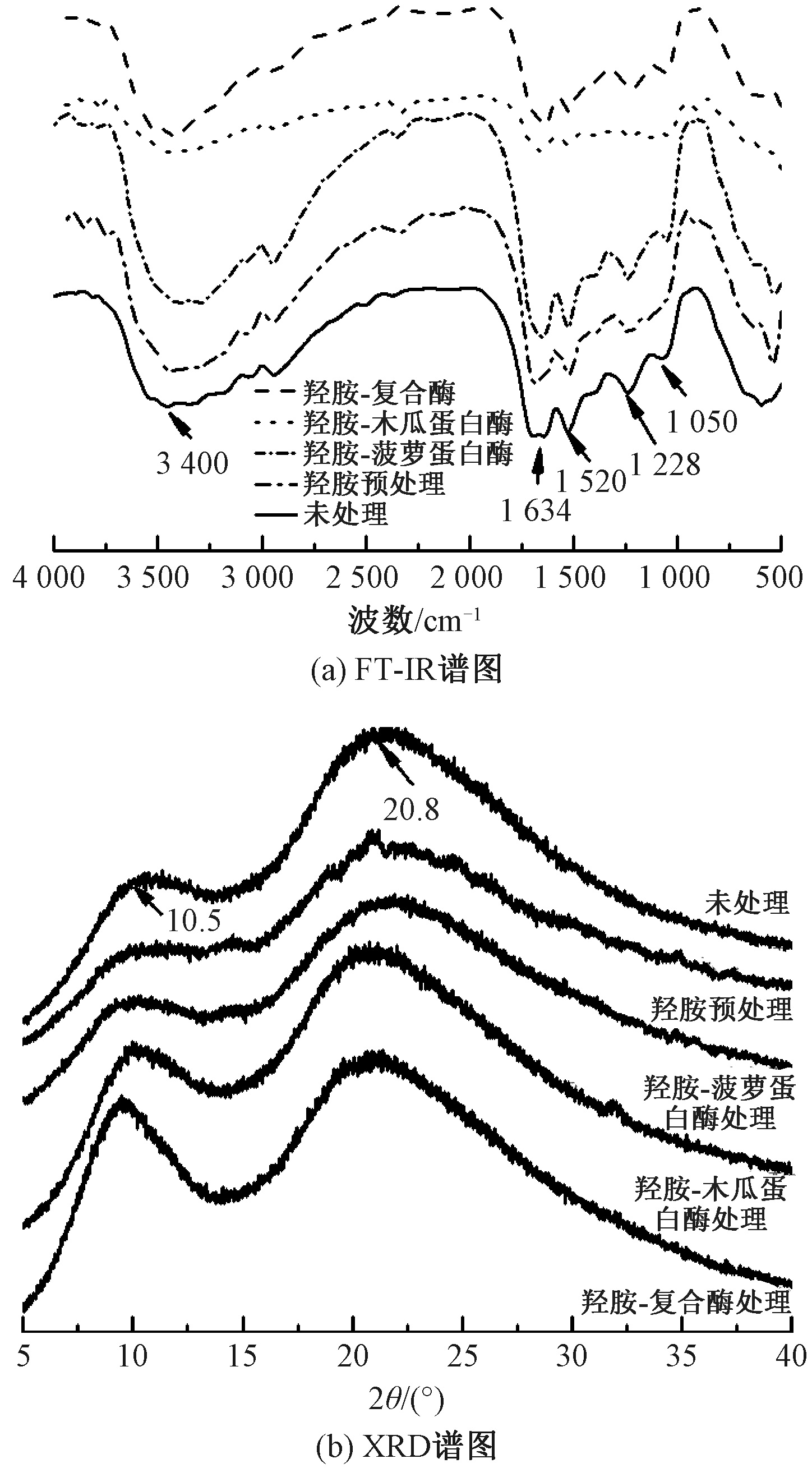
Fig.1

FT-IR spectra (a)and XRD patterns (b)of wool before and after treatment"

Tab.1

Elemental content on surface of wool before and after treatment"

试样 元素含量/%
C 1s N 1s O 1s S 2p
未处理羊毛 71.8 3.9 23.3 1.0
羟胺处理羊毛 69.1 4.2 24.9 1.8
羟胺-菠萝蛋白酶处理羊毛 67.8 4.9 25.7 1.6
羟胺-木瓜蛋白酶处理羊毛 66.8 5.2 26.8 1.2
羟胺-复合酶处理羊毛 64.9 6.5 27.8 0.8

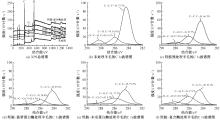
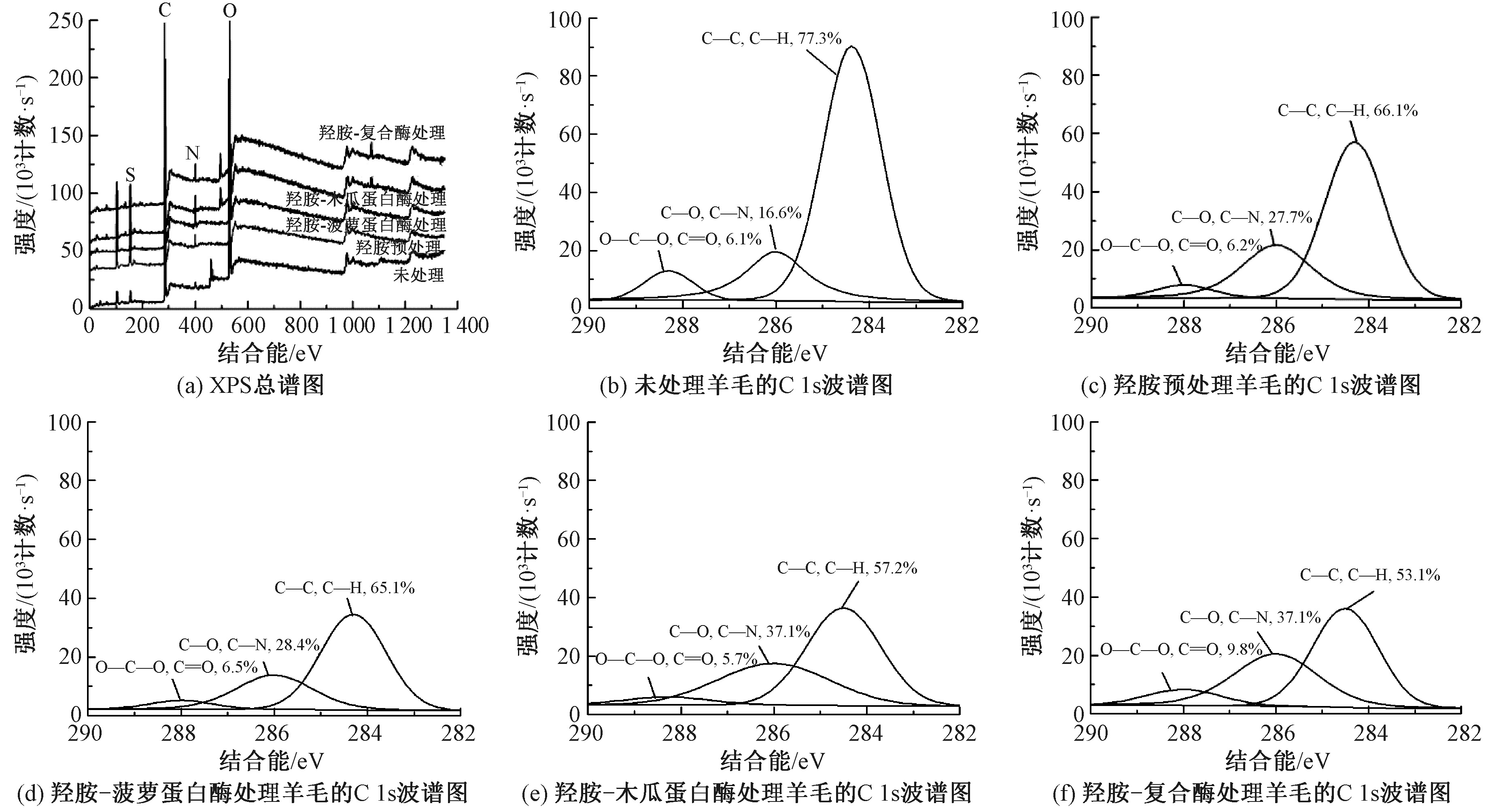
Fig.2

XPS C 1s spectra of wool. (a) Total XPS speatra; (b) C 1s peak-fitting diagram of untreated wool; (c) C 1s peak-fitting diagram of wool treated with hydroxylamine; (d) C 1s peak-fitting diagram of wool treated with hydroxylamine-bromelain; (e) C 1s peak-fitting diagram of wool treated with hydroxylamine-papain; (f) C 1s peak- fitting diagram of wool treated with hydroxylamine-composite protease"

Fig.3

XPS S 2p spectra of wool. (a) Untreated wool; (b) Wool treated with hydroxylamine; (c) Wool treated with hydroxylamine-bromelain; (d) Wool treated with hydroxylamine-papain; (e) Wool treated with hydroxylamine-composite protease"

Fig.4

TG (a)and DSC(b)curves of wool before and after treatment"

Fig.5

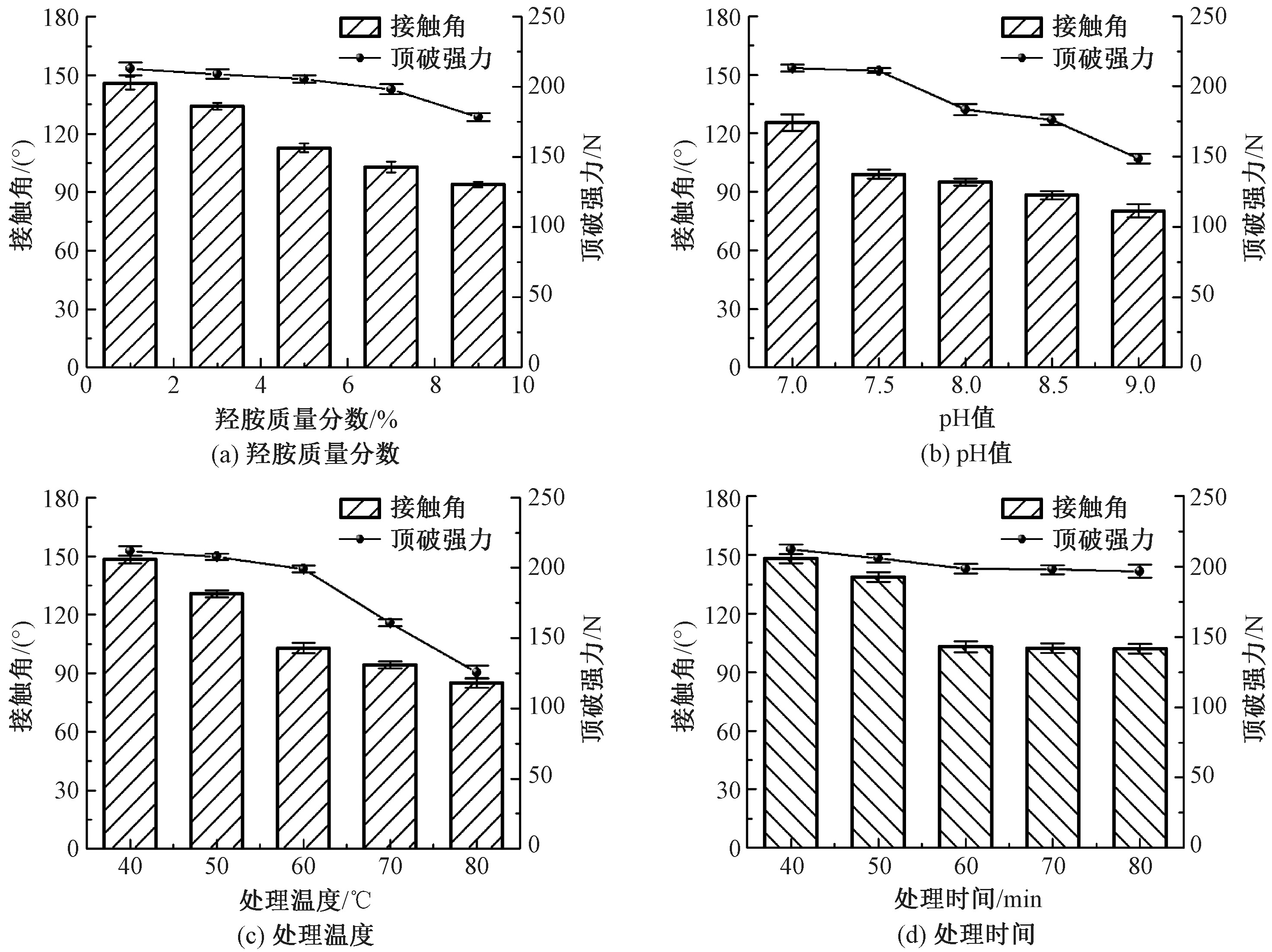
Influences of hydroxylamine pretreatment parameters on fabric contact angle and top-breaking strength. (a) Hydroxylamine concentration; (b) pH value; (c) Treatment temperature; (d) Treatment time"

Fig.6

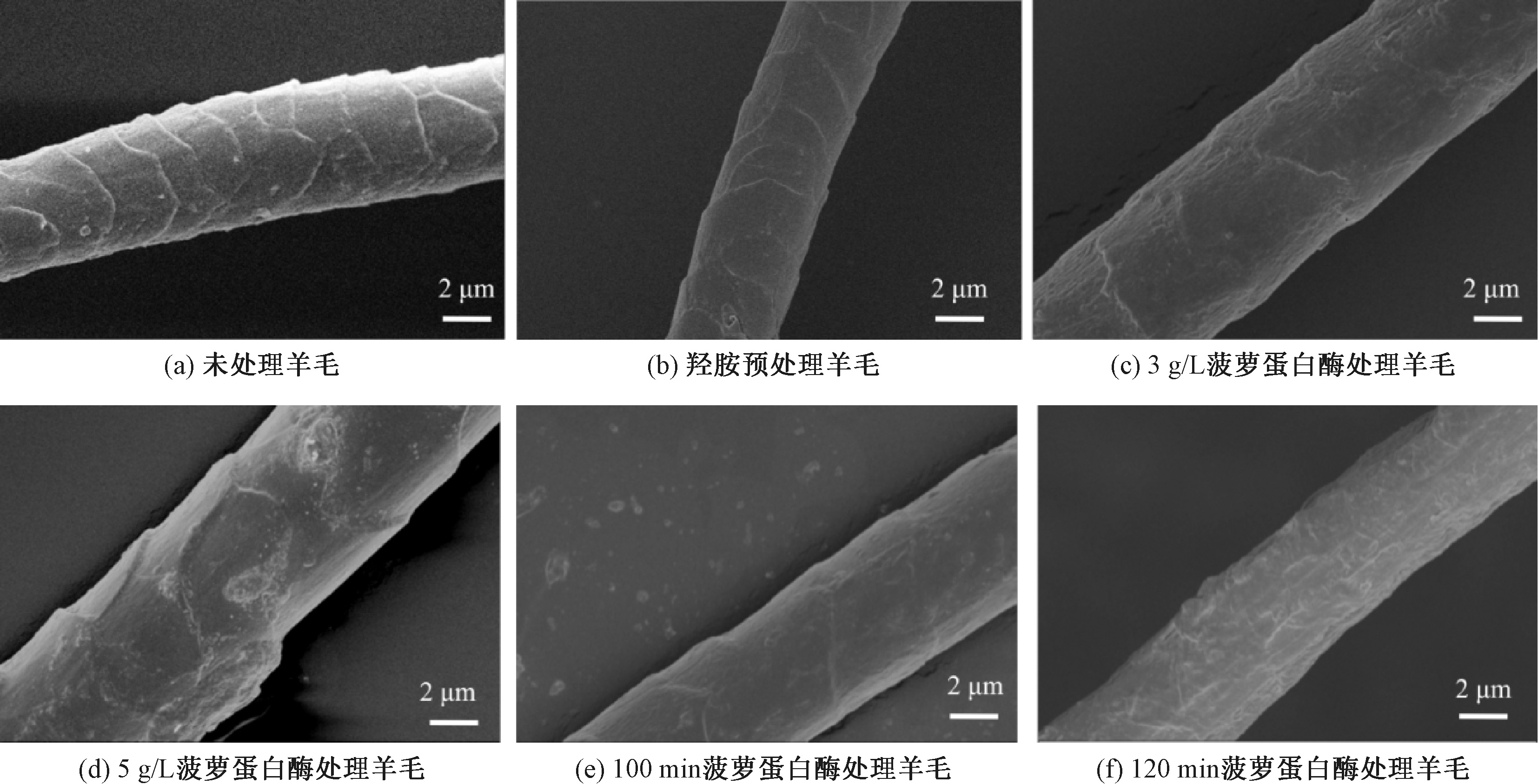
SEM images of wool treated by hydroxylamine and bromelain. (a) Untreated wool; (b) Wool treated by hydroxylamine; (c) Wool treated with 3 g/L bromelain; (d) Wool treated with 5 g/L bromelain; (e) Wool treated with bromelain for 100 min; (f) Wool treated with bromelain for 120 min"

Fig.7

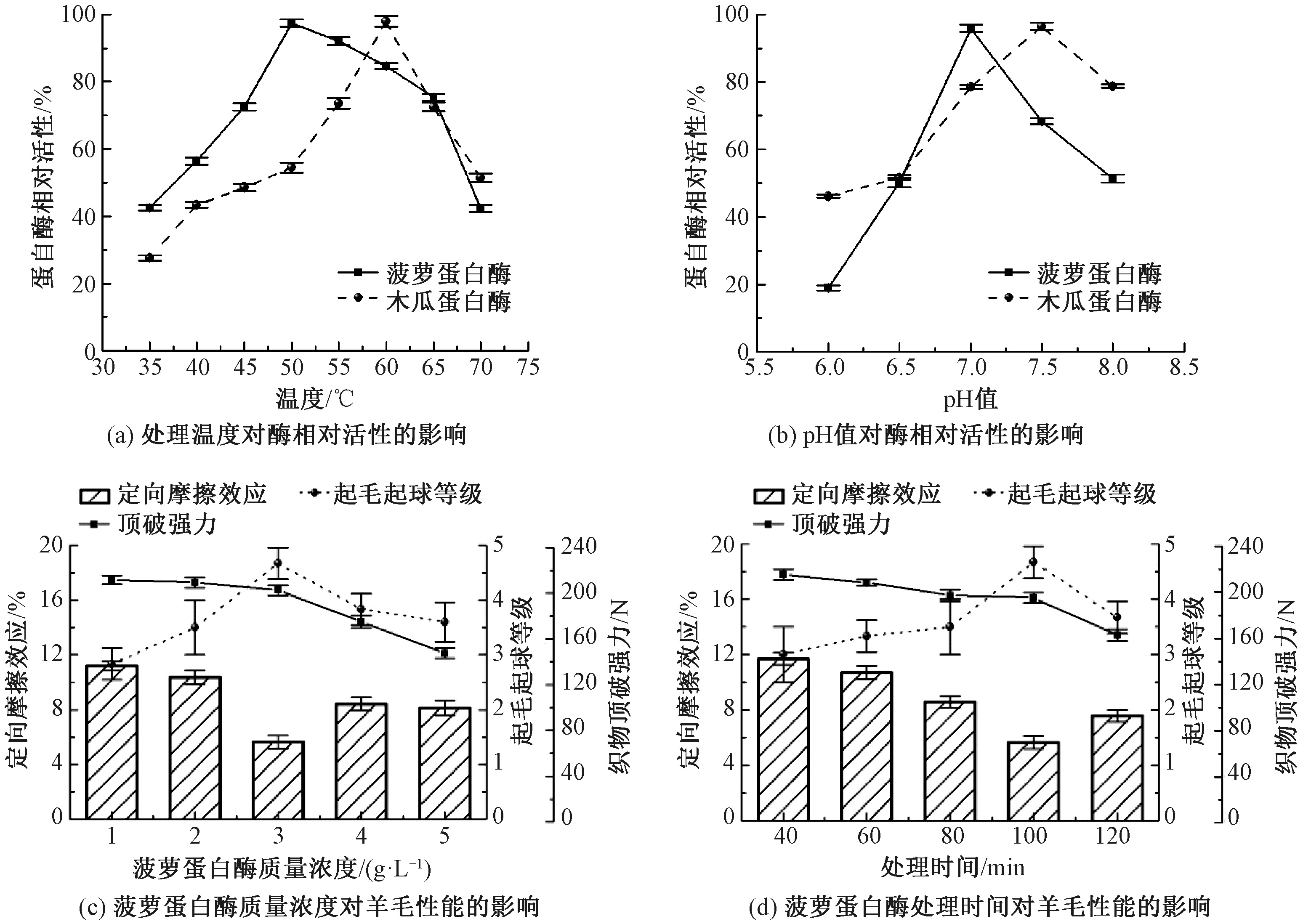
Influence of treantment temperature, pH value on protease relative activity and influence of bromelain processing parameters on wool properties. (a) Influence of treatment temperature on protease relative activity; (b) Influence of pH value on protease relative activity; (c) Influence of bromelain concentration on wool properties; (d) Influence of bromelain treatment time on wool properties"

Fig.8

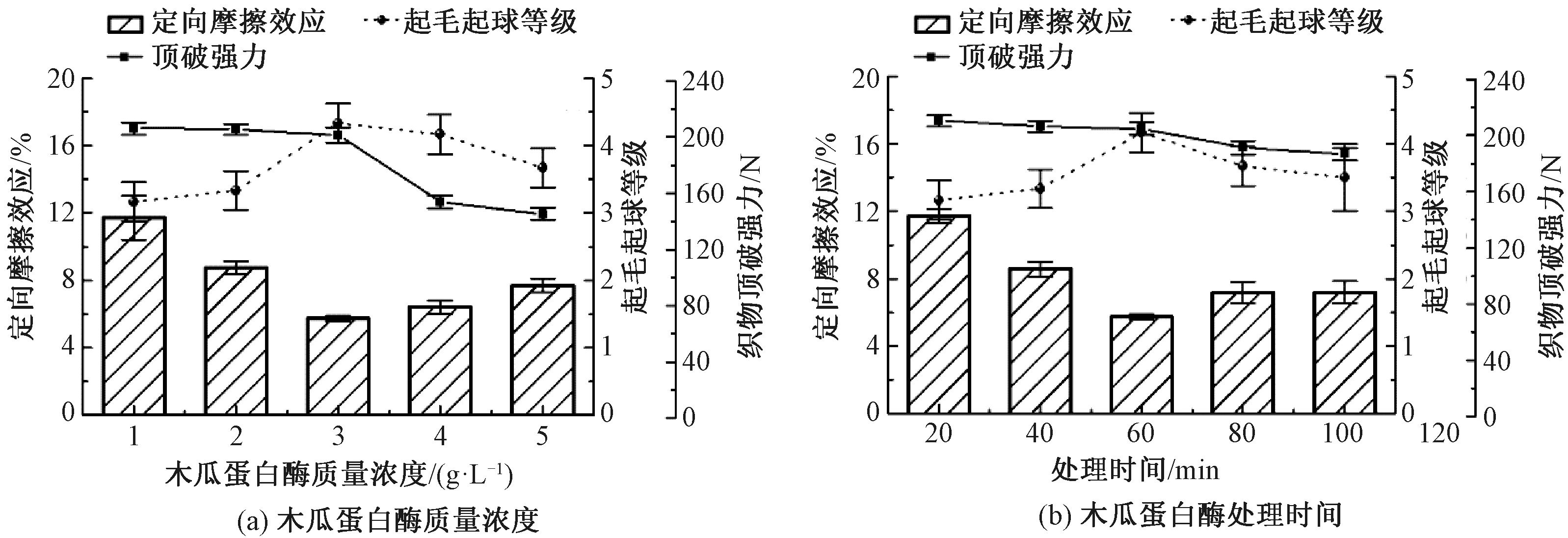
Influence of papain treatment parameters on wool properties. (a) Papain concentration; (b) Papain treatment time"

Fig.9

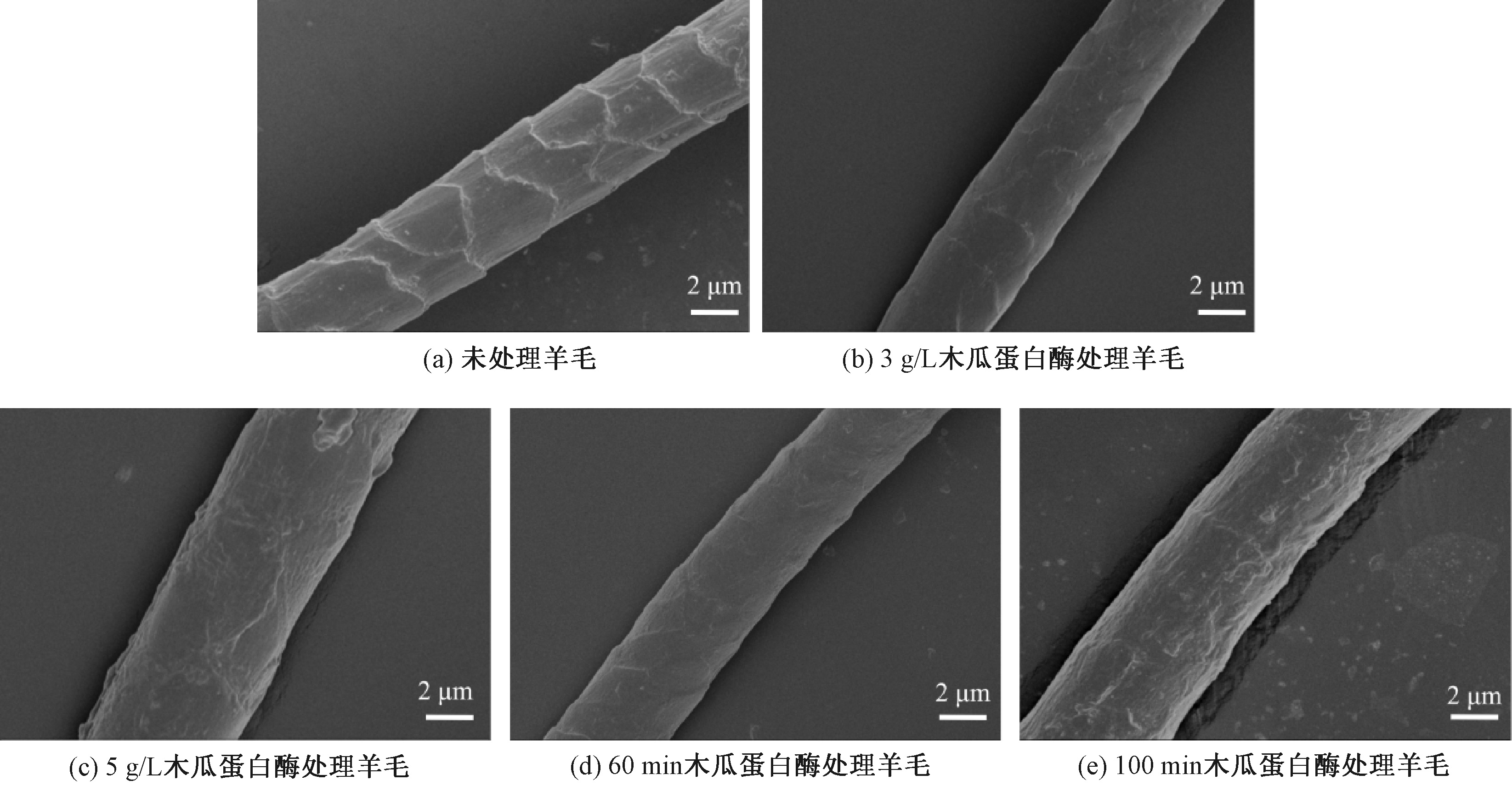
SEM images of wool before and after papain treatment. (a) Untreated wool; (b) Wool treated with 3 g/L papain; (c) Wool treated with 5 g/L papain; (d) Wool treated with papain for 60 min; (e) Wool treated with papain for 100 min"

Fig.10

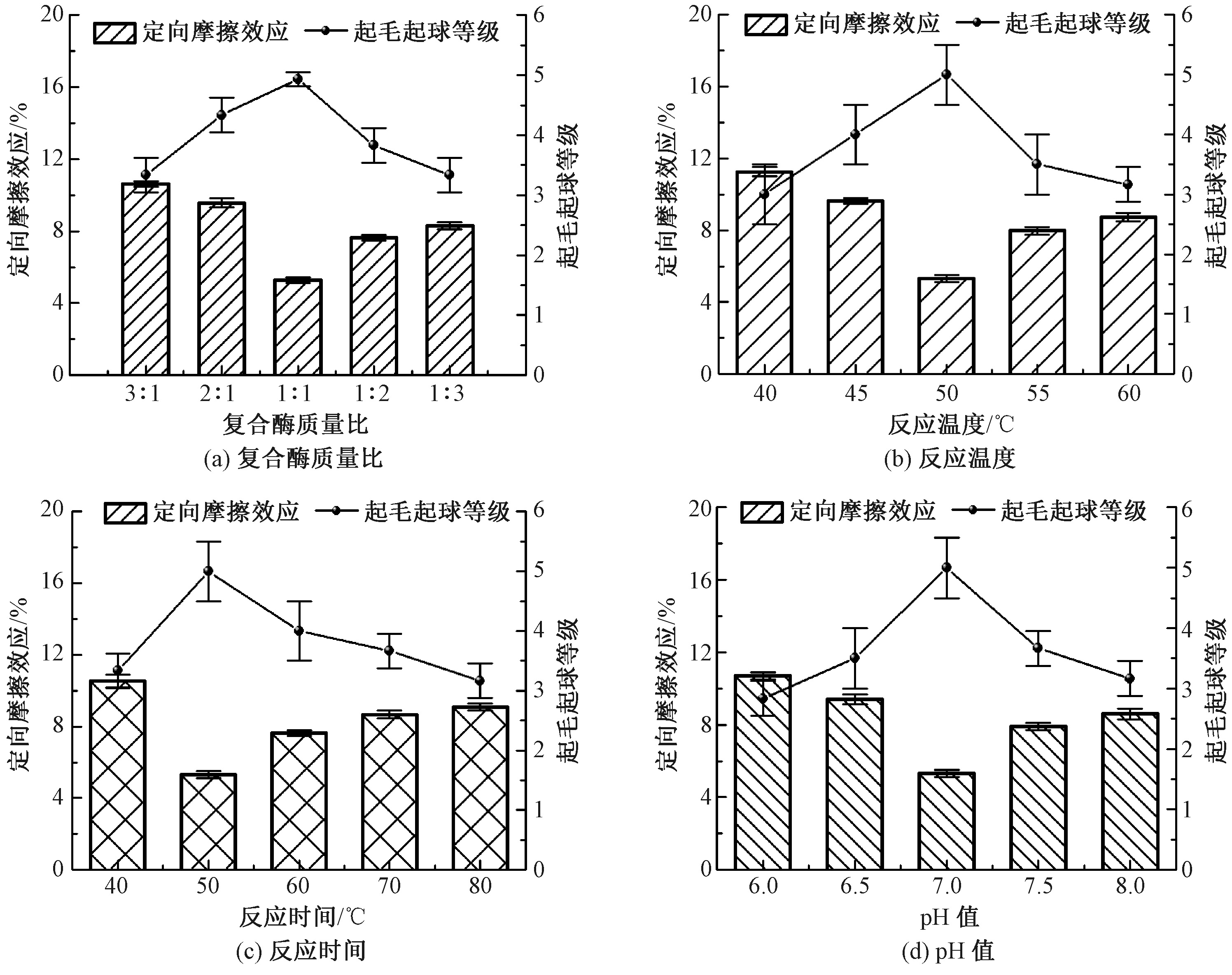
Influence of composite protease treatment parameters on wool properties. (a) Mass ratio of composite protease; (b) Reaction temperature; (c) Reaction time; (d) pH value"

Fig.11

SEM and pilling images of wool before(a) and after(b) treated with composite protease"

Tab.2

Dyeing and wearing performance of untreated and treated wool fabrics"

试样 上染率/% K/S ΔE 透气率/
(mm·s-1)
透湿率/
(g·m-2·d-1)
热阻/
(10-3 m2·K·W-1)
顶破
强力/N
洗后起毛起球
等级/级
未处理羊毛 95.2±4.9 4.98±0.23 2.35±0.11 1 417.3±25.8 116.3±5.3 66.2±4.2 214.8±3.9 2.5
羟胺-菠萝蛋白酶处理 96.3±3.7 9.45±0.52 0.45±0.08 1 424.7±37.3 137.4±4.8 63.8±3.6 198.1±3.0 4
羟胺-木瓜蛋白酶处理 96.7±3.2 9.53±0.48 0.48±0.07 1 425.2±42.1 136.8±4.4 63.9±3.5 200.7±4.5 4
羟胺-复合酶处理 98.1±1.8 10.87±0.57 0.36±0.03 1 431.4±39.6 143.4±5.1 64.1±4.6 206.7±3.4 4.5
[1] ZHANG J Q, LI K, WANG J, et al. Enzymatic anti-felting finishing of the dyed woolen textiles through the collaborative action of mild reduction and protease treatment[J]. International Journal of Biological Macromolecules, 2025, 307: 142160.
doi: 10.1016/j.ijbiomac.2025.142160
[2] ZHAO X, WANG C X, WANG L H, et al. Performance of tapping washing in comparison with hand washing and front-loading machine washing for knitted wool sweaters[J]. Textile Research Journal, 2023, 93(3/4): 538-553.
doi: 10.1177/00405175221110114
[3] 郭庆, 毛阳顺, 任亚杰, 等. 基于漆酶一步催化法的羊毛织物原位染色及阻燃功能化[J]. 纺织学报, 2025, 46(2): 161-169.
GUO Qing, MAO Yangshun, REN Yajie, et al. Simultaneous in-situ dyeing and flame retardant functionalization of wool fabrics based on laccase catalysis[J]. Journal of Textile Research, 2025, 46(2): 161-169.
[4] YUAN J G, XIANG Y, ZHOU A H, et al. Using an eco-friendly cold pad-batch reduction pretreatment to improve the whiteness, hydrophilicity, and anti-shrinkage of wool fabric[J]. The Journal of the Textile Institute, 2025, 116(5): 880-889.
doi: 10.1080/00405000.2024.2359174
[5] XIAO Q, WANG Y H, CHEN W, et al. Enhancing anti-pilling performance of wool knitted fabrics via synergistic treatment with dopamine and silk sericin: a sustainable approach[J]. RSC Advances, 2025, 15(30): 24862-24871.
doi: 10.1039/D5RA03257A
[6] LIU W Y, YUAN F H, WANG J, et al. Simultaneous lice eggshell removal from wool and anti-felting with a single protease treatment[J]. Journal of Cleaner Production, 2023, 386: 135828.
doi: 10.1016/j.jclepro.2022.135828
[7] WANG M Y, ZHAO H Z, SHI F R, et al. Simple surface low temperature grafting for antibacterial and anti-felting inkjet printing wool fabrics[J]. Progress in Organic Coatings, 2023, 183: 107723.
doi: 10.1016/j.porgcoat.2023.107723
[8] WAN A L, XU T L, CHEN C M, et al. Effect of structure of wool/nylon spun yarn on warp knittability and fabric performance[J]. Textile Research Journal, 2025: 00405175251324666.
[9] LI R, ZHU Q T, ZHOU M, et al. Effective removal of scales from wool surface through the combination of thioglycolic acid compounds and proteases for anti-felting finishing[J]. International Journal of Biological Macromolecules, 2025, 306: 141698.
doi: 10.1016/j.ijbiomac.2025.141698
[10] ALMULAIKY Y Q. Acrylic modification as an environmentally acceptable supporter for improving peroxidase enzyme: stability and reusability[J]. Biocatalysis and Biotransformation, 2024, 42(6): 726-740.
doi: 10.1080/10242422.2024.2339359
[11] BOOSTANI B, BIDOKI S M, FATTAHI S. Using an eco-friendly deep eutectic solvent for waterless anti-felting of wool fibers[J]. Journal of Cleaner Production, 2023, 386: 135732.
doi: 10.1016/j.jclepro.2022.135732
[12] 王乐, 段志欣, 姚金波, 等. 基于底物激活的蛋白酶法羊毛地毯生态丝光处理[J]. 纺织学报, 2024, 45(9): 129-136.
WANG Le, DUAN Zhixin, YAO Jinbo, et al. Eco-friendly mercerization of wool carpet using protease method based on substrate activation[J]. Journal of Textile Research, 2024, 45(9): 129-136.
[13] XUE Y F, LI X Y, FAN Z Z, et al. Eco-friendly anti-felting finishing and low-temperature dyeing of wool through plant protease[J]. Fibers and Polymers, 2025, 26(4): 1643-1654.
doi: 10.1007/s12221-024-00838-4
[14] LI K, LI Z R, ZHANG J Q, et al. Eco-friendly shrink-resist finishing of wool through synergistic effect of disulfide bond reducing agent and papain[J]. International Journal of Biological Macromolecules, 2024, 273: 133156.
doi: 10.1016/j.ijbiomac.2024.133156
[1] ZHAO Meining, LI Bo, SUN Yanli, WU Hailiang, TIAN Shiyi. Development of regenerated wool keratin-based composite fibers with photothermal transformation [J]. Journal of Textile Research, 2026, 47(04): 17-25.
[2] MENG Siyu, HAN Yujin, TAN Wenli, MA Bomou, YUAN Jiugang. Preparation and properties of formaldehyde-free modified keratin/sodium alginate aerogel composite material [J]. Journal of Textile Research, 2026, 47(03): 18-25.
[3] GU Jiayu, ZHANG Weidong, DONG Yongchun, SUN Xuan, XU Liangjun. Antibacterial finishing of wool and silk fabrics with Ginkgo Biloba flavonoids [J]. Journal of Textile Research, 2026, 47(01): 142-150.
[4] YE Zenan, LI Ziyin, HE Jianjun, WANG Xiaodong, YE Fei, LIU Weihong. Wool and cashmere fiber recognition algorithm based on frequency-domain field depth fusion and improved SOLOv2 model [J]. Journal of Textile Research, 2026, 47(01): 80-88.
[5] CHEN Ming, ZHANG Hao, ZHANG Ziyuan, YANG Qingbiao, GAO Ji, FAN Cunwei, SUN Jie. Synthesis and dyeing properties of acid dyes containing bio-based moieties [J]. Journal of Textile Research, 2025, 46(12): 142-151.
[6] XU Lili, TENG Yanfei, MA Pibo, WAN Ailan. Development and performance of outdoor functional fabrics with bionic structures [J]. Journal of Textile Research, 2025, 46(11): 94-101.
[7] WANG Siyu, WANG Feng, WANG Hongbo, SU Jing. L-cysteine/bromelain synergistic one-bath process anti-shrinkage finishing of wool fabrics [J]. Journal of Textile Research, 2025, 46(10): 152-158.
[8] ZHU Yaolin, LI Zheng, ZHANG Qiang, CHEN Xin, CHEN Jinni, ZHANG Hongsong. Quantitative detection of wool and cashmere based on near infrared spectroscopy and multi-feature network [J]. Journal of Textile Research, 2025, 46(09): 104-111.
[9] HAN Zhihui, WAN Ailan, HONG Liang, GAO Lizhong, XIA Fenglin. Damage analysis and finite element simulation of wool yarn in warping [J]. Journal of Textile Research, 2025, 46(07): 103-110.
[10] WEI Xuanxiang, FENG Yang, FAN Xiangyu, WU Minghua, YU Deyou. Yak wool decolorization using homogeneous advanced oxidation technology and its mechanism [J]. Journal of Textile Research, 2025, 46(06): 151-159.
[11] ZHU Menghui, GE Meitong, DONG Zhijia, CONG Honglian, MA Pibo. Structure and heat-moisture properties evaluation of double-sided wool/polyester weft-knitted fabrics [J]. Journal of Textile Research, 2025, 46(05): 179-185.
[12] ZHU Daquan, CUI Zhihua, GAO Pu, ZHU Jie, ZHANG Bin, ZHU Yuewen, CHEN Weiguo. Aromatic primary amination modification of mercerized wool and its room temperature diazo coupling staining [J]. Journal of Textile Research, 2025, 46(05): 186-194.
[13] ZHU Wenshuo, XUE Yuan, SUN Xianqiang, XUE Jingli, JIN Guang. Full color gamut matching of wool blended yarn based on seven primary color fibers [J]. Journal of Textile Research, 2025, 46(04): 71-80.
[14] YAO Yiting, AO Limin, ZHANG Zhanwang, SU Youpeng. Testing method of pile face properties for felting knitted wool fabrics [J]. Journal of Textile Research, 2025, 46(03): 100-108.
[15] LI Huan, MENG Wenjun, ZHANG Jing, JIANG Zhe, WEI Yimin, ZHOU Man, WANG Qiang. Dyeing wool with indigo dye in deep eutectic solvent system [J]. Journal of Textile Research, 2025, 46(03): 123-130.
Viewed
Full text


Abstract

Cited

  Shared   
  Discussed   
No Suggested Reading articles found!