纺织学报 ›› 2026, Vol. 47 ›› Issue (06): 188-195.doi: 10.13475/j.fzxb.20251003501
娄琳1( ), 马纯2, 李晓芳3, 苑洁2
LOU Lin1(), MA Chun2, LI Xiaofang3, YUAN Jie2
摘要:
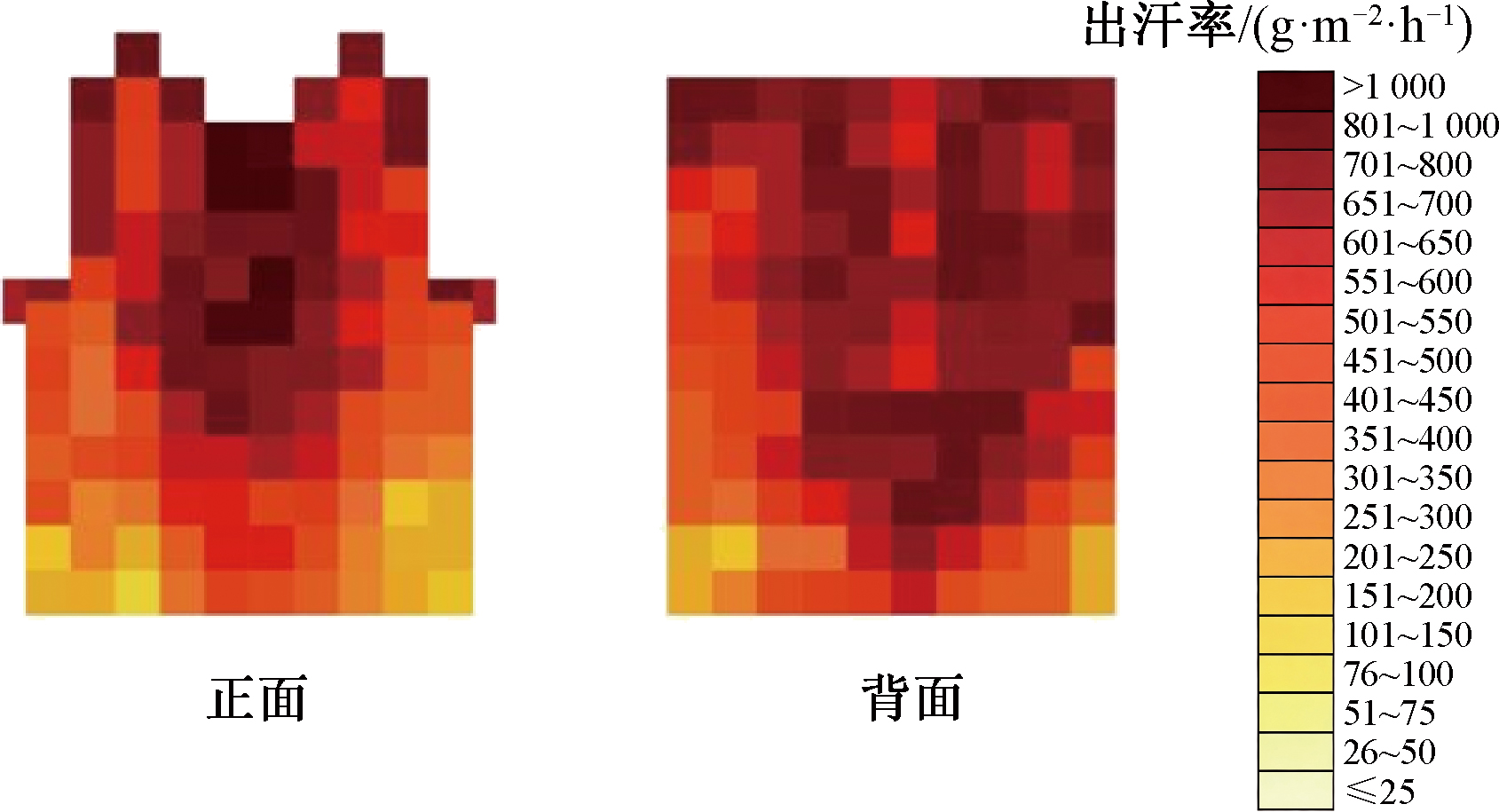
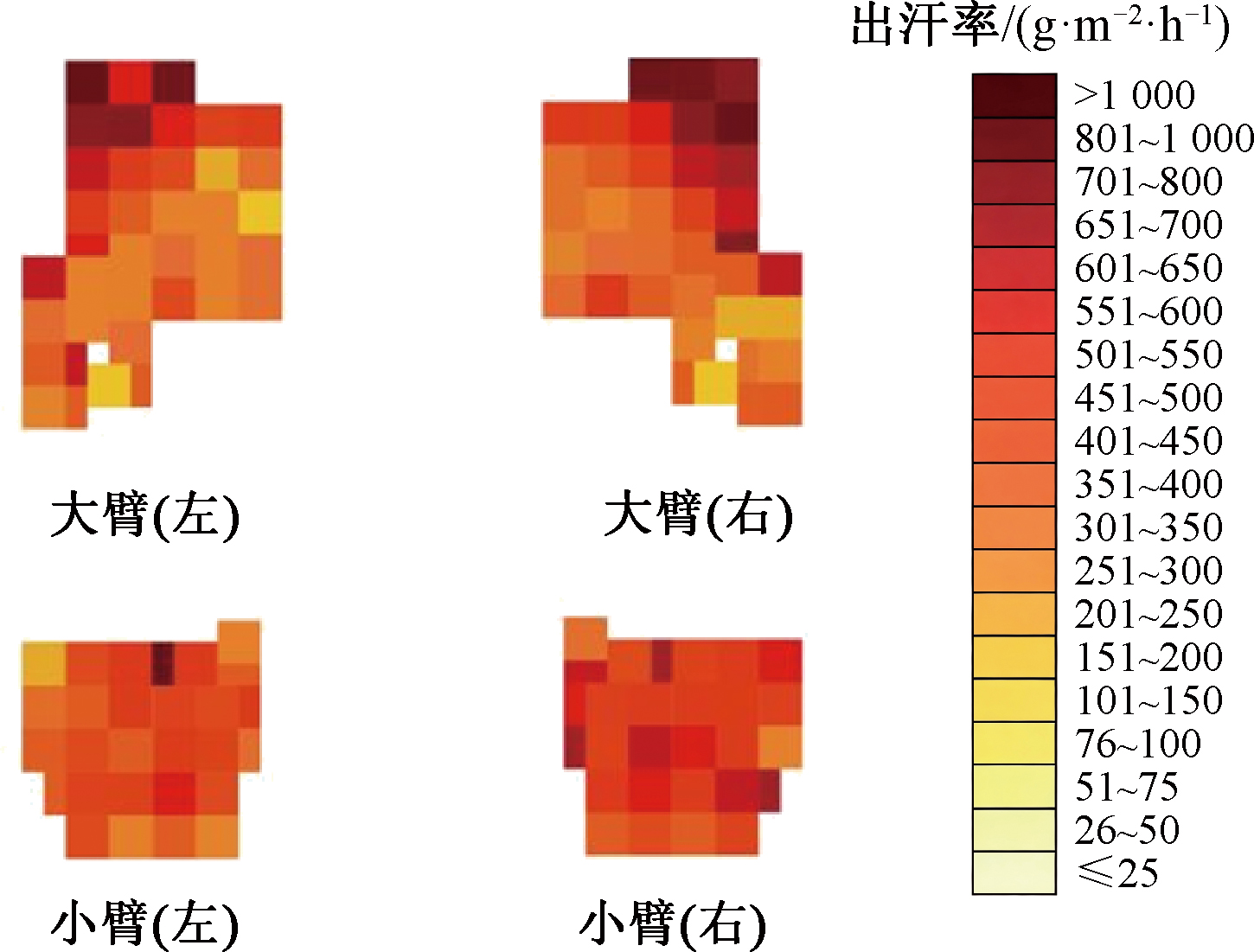
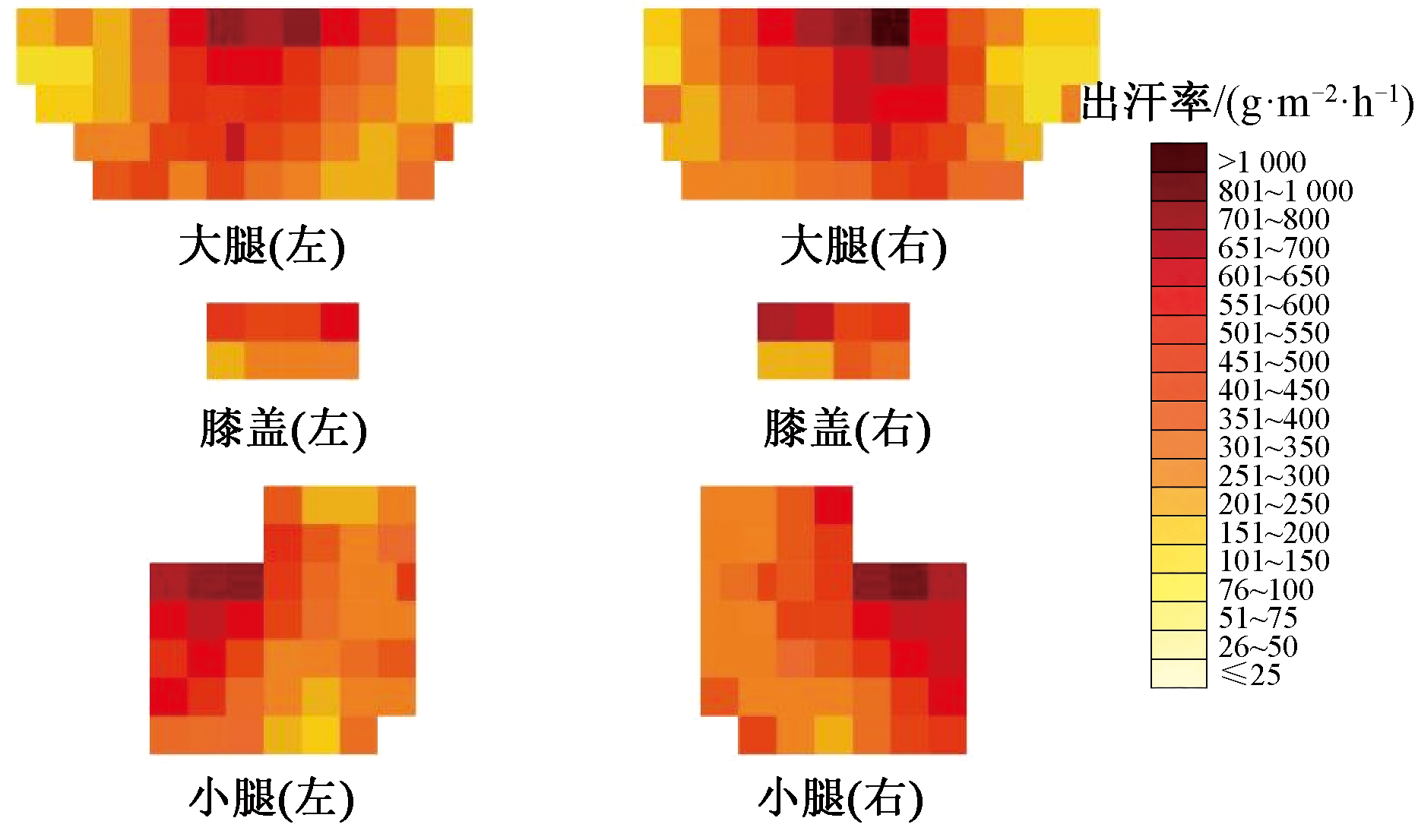
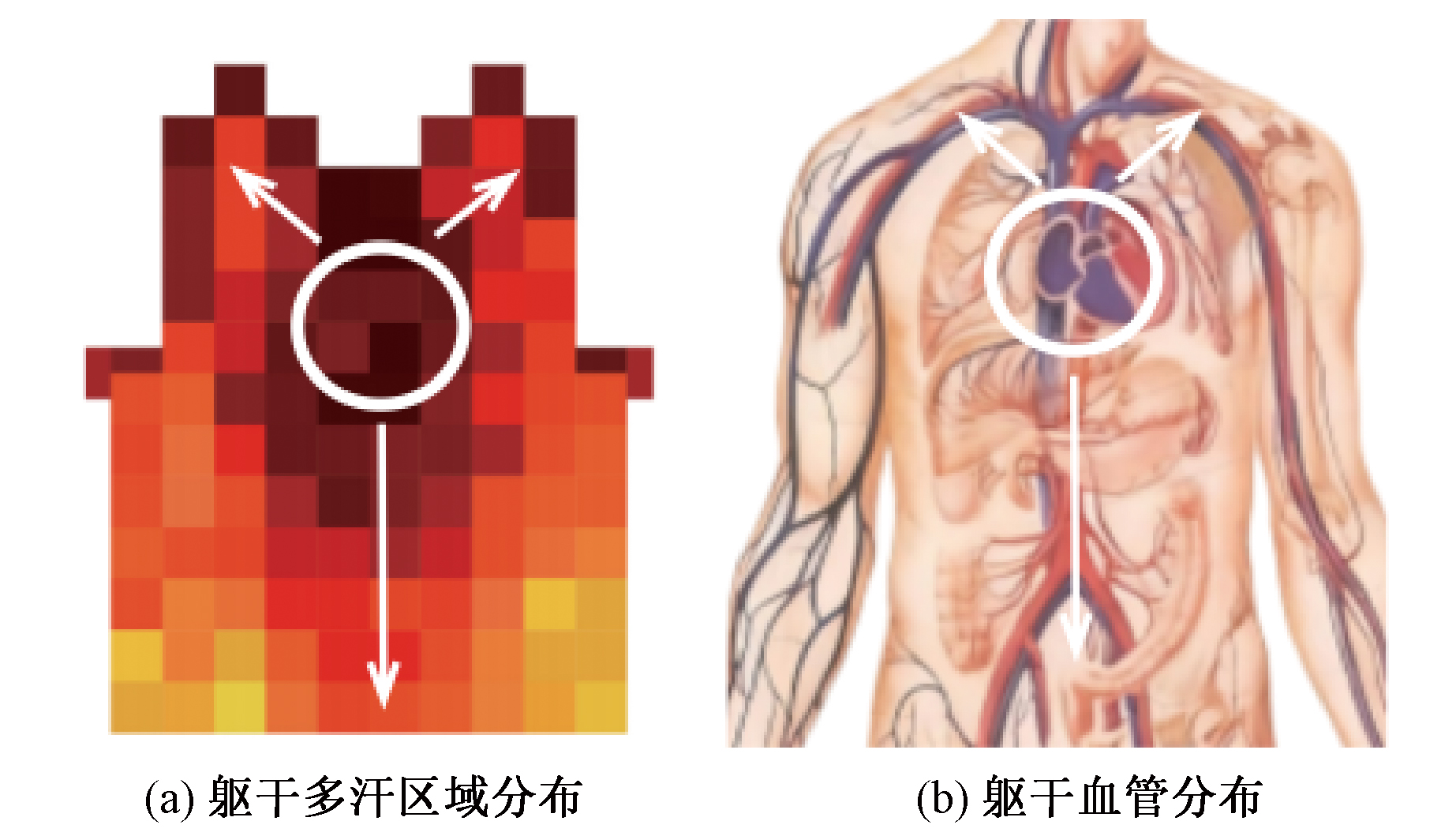
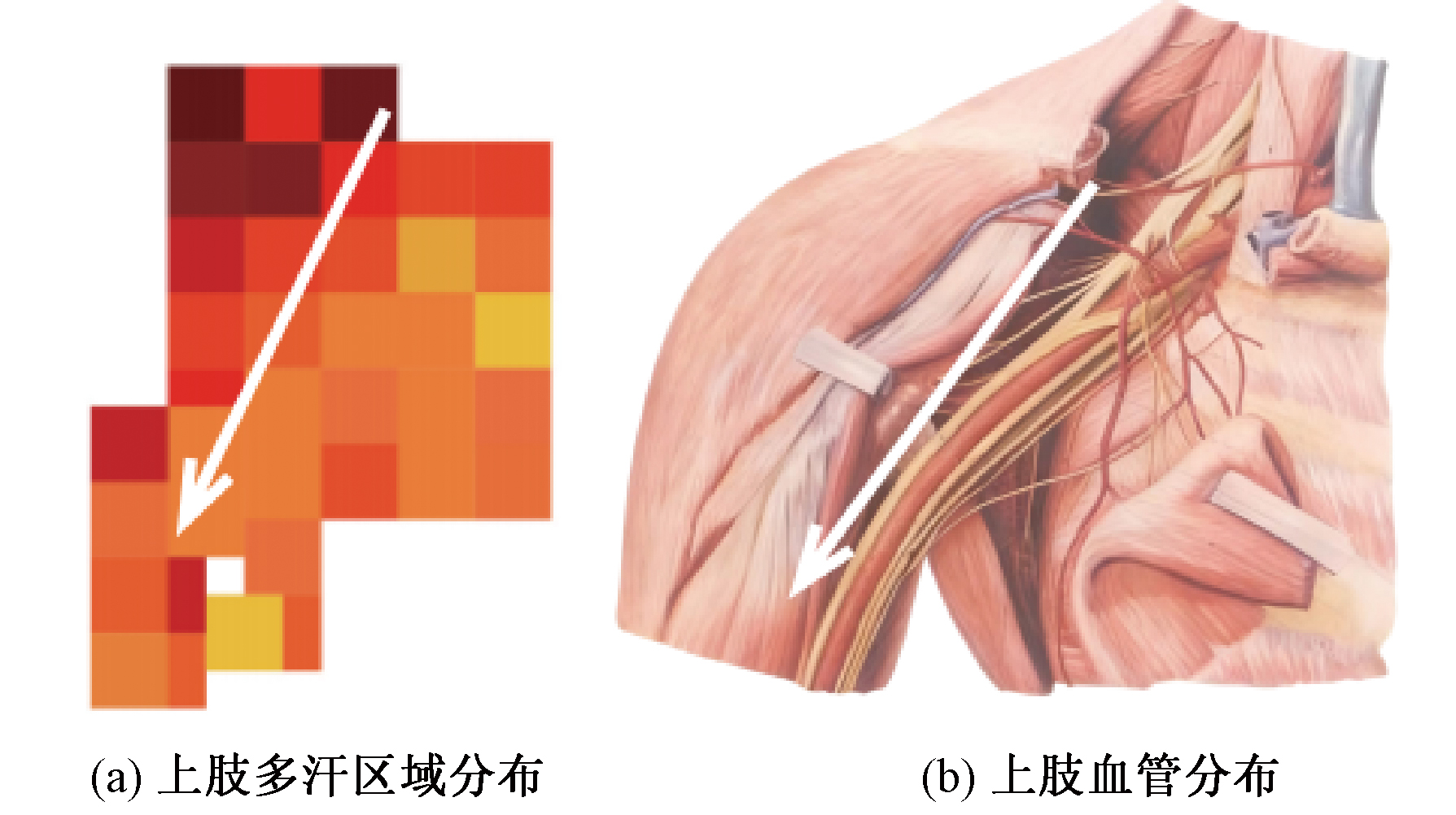
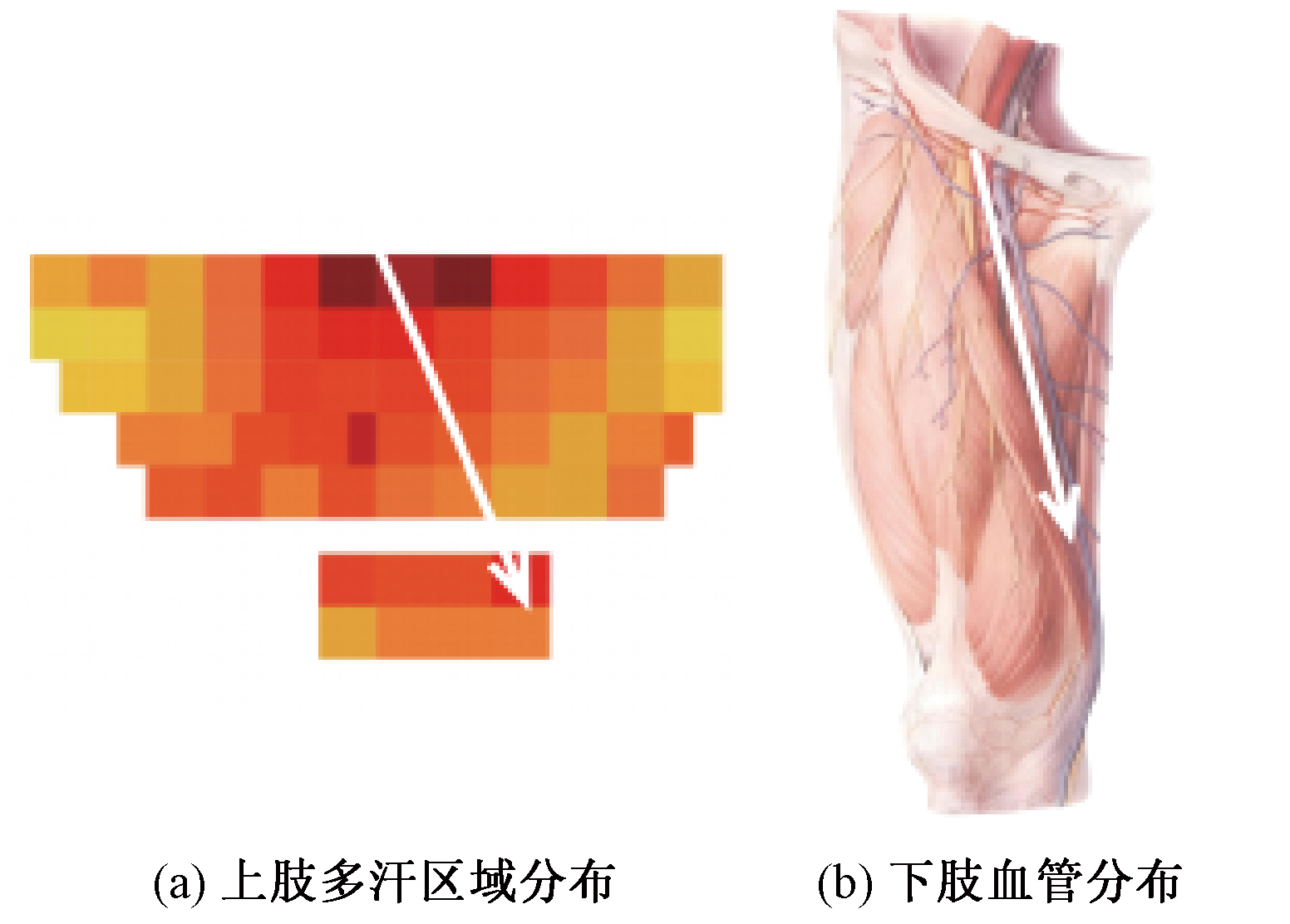
人体各部位的特征和需求各不相同,人体处于恶劣条件或剧烈运动状态时,出汗率分布会呈现对应特征。需要人们在各种情形下,针对人体各个部位实现着装健康舒适性的保障。为准确表征全身各部位细分区域的出汗率差异特征,以5 cm×5 cm与2.5 cm×5 cm的统一矩形吸汗贴片,设计合理的贴片分布版型,将人体体表分成588个细分区域,使贴片覆盖皮肤面积的88%以上,并测试青年男性在高强度运动条件下的全身各部位出汗率,得出精细化分区的出汗率分布规律图谱。结果表明,人体出汗率总体呈对称分布,出汗率躯干>上肢>下肢,躯干出汗率由中心向边缘递减,四肢出汗量由躯干连接处向末端递减。出汗分布规律与血管和肌肉的解剖学分布存在紧密关联。实验结果通过揭示人体出汗具体规律,进而指导极端环境下劳动作业服装、功能运动服装、医疗卫生用品等高性能产品的开发、优化和性能按需调控。
中图分类号:
| [1] | 张文欢, 钱晓明, 范金土, 等. 人体出汗率分布的研究进展[J]. 纺织学报, 2018, 39(8): 179-184. |
| ZHANG Wenhuan, QIAN Xiaoming, FAN Jintu, et al. Research progress on sweating rate distribution of human body[J]. Journal of Textile Research, 2018, 39(8): 179-184. | |
| [2] | 张文欢, 钱晓明, 范金土, 等. 人体出汗率的测量方法[J]. 纺织导报, 2018(2): 87-90. |
| ZHANG Wenhuan, QIAN Xiaoming, FAN Jintu, et al. The method for measuring sweating rate of human body[J]. China Textile Leader, 2018(2): 87-90. | |
| [3] | 库洪安, 赵玉香, 赵丽. 显性出汗量的计算[J]. 实用护理杂志, 2003, 19(1): 41. |
| KU Hongan, ZHAO Yuxiang, ZHAO Li. Calculation of continuous sensible head and face perspiration[J]. Journal of Practical Nursing, 2003, 19(1): 41. | |
| [4] | HAVENITH G, FOGARTY A, BARTLETT R, et al. Male and female upper body sweat distribution during running measured with technical absorbents[J]. European Journal of Applied Physiology, 2008, 104(2): 245-255. |
| [5] | OHARA K. Heat tolerance and sweating type[J]. Nagoya Medical Journal, 1968, 14(3): 133-144. |
| [6] | SMITH C J, HAVENITH G. Body mapping of sweating patterns in athletes: a sex comparison[J]. Medicine & Science in Sports & Exercise, 2012, 44(12): 2350-2361. |
| [7] | TAYLOR N G E A S, CALDWELL J N, MEKJAVIC I G R B. The sweating foot: local differences in sweat secretion during exercise-induced hyperthermia[J]. Aviation, Space, and Environmental Medicine, 2006, 77(10): 1020-1027. |
| [8] | WEINER J S. The regional distribution of sweating[J]. The Journal of Physiology, 1945, 104(1): 32-40. |
| [9] | MACHADO-MOREIRA C A, SMITH F M, VAN DEN HEUVEL A M J, et al. Sweat secretion from the torso during passively-induced and exercise-related hyperthermia[J]. European Journal of Applied Physiology, 2008, 104(2): 265-270. |
| [10] | SMITH C J, HAVENITH G. Body mapping of sweating patterns in male athletes in mild exercise-induced hyperthermia[J]. European Journal of Applied Physiology, 2011, 111(7): 1391-1404. |
| [11] | 张渭源. 服装舒适性与功能[M]. 2版. 北京: 中国纺织出版社, 2011: 12. |
| ZHANG Weiyuan. Clothing comfort and function[M]. 2nd ed. Beijing: China Textile & Apparel Press, 2011: 12. | |
| [12] | 魏洋. 人体全身及上身局部出汗率的测定[D]. 上海: 东华大学, 2012: 14-20. |
| WEI Yang. The measurement of whole body and regional upper body sweat rates[D]. Shanghai: Donghua University, 2012: 14-20. | |
| [13] | 王冰洁. 青年男性上身出汗分布规律研究[D]. 上海: 东华大学, 2013: 10-50. |
| WANG Bingjie. Research on sweating distribution patterns of the upper body in young males[D]. Shanghai: Donghua University, 2013: 10-50. | |
| [14] | 王兆芳, 丁波, 张辉, 等. 青年女性胸部出汗分布和出汗率的测定[J]. 纺织学报, 2023, 44(12): 145-152. |
| WANG Zhaofang, DING Bo, ZHANG Hui, et al. Determination of sweating locations and sweating rate of young female breasts[J]. Journal of Textile Research, 2023, 44(12): 145-152. | |
| [15] | 邱俊强, 杨俊超, 路明月, 等. 中国健康成年人身体活动能量消耗参考值[J]. 中国运动医学杂志, 2022, 41(5): 335-349. |
| QIU Junqiang, YANG Junchao, LU Mingyue, et al. Compilation of physical activities of healthy Chinese adults: reference values for energy expenditure[J]. Chinese Journal of Sports Medicine, 2022, 41(5): 335-349. | |
| [16] | 陈志强. 人体体表面积计算方法的比较研究[J]. 中国运动医学杂志, 2003, 22(6): 576-579. |
| CHEN Zhiqiang. Comparative analysis of 4 calculating methods for human body surface area[J]. Chinese Journal of Sports Medicine, 2003, 22(6): 576-579. | |
| [17] | 郭光文, 王序. 人体解剖彩色图谱[M]. 2版. 北京: 人民卫生出版社, 2008:1-31. |
| GUO Guangwen, WANG Xu. Colour atlas of human anatomy[M]. 2nd ed. Beijing: People's Medical Publishing House, 2008:1-31. | |
| [18] | 刘金地, 胡杰. 职业羽毛球体育运动员常见运动损伤的危险因素与防治研究[J]. 环境与职业医学, 2023, 40(10): 1224. |
| LIU Jindi, HU Jie. Study on risk factors and prevention of common sports injuries of professional badminton athletes[J]. Journal of Environmental and Occupational Medicine, 2023, 40(10): 1224. | |
| [19] | 高锋. 高尔夫球手运动损伤成因及预防对策研究[D]. 北京: 北京体育大学, 2013:5-7. |
| GAO Feng. The research for causes and preventive measures of golfer's sports injuries[D]. Beijing: Beijing Sport University, 2013: 5-7. | |
| [20] | 姜茸凡, 王云仪. 人体着装黏感觉的研究进展[J]. 纺织学报, 2019, 40(5): 177-184. |
| JIANG Rongfan, WANG Yunyi. Research progress of stickiness perception of human body in dressing[J]. Journal of Textile Research, 2019, 40(5): 177-184. | |
| [21] | 娄琳, 邱夷平, 纪峰, 等. 面料与液体之间贴附性的测试及其条件研究[J]. 丝绸, 2015, 52(7): 28-34. |
| LOU Lin, QIU Yiping, JI Feng, et al. A study on adhesion between fabric and liquid and testing conditions[J]. Journal of Silk, 2015, 52(7): 28-34. | |
| [22] | 赵蒙蒙, 宋晓霞. 通风服装对人体热舒适的影响[J]. 纺织学报, 2017, 38(10): 94-97. |
| ZHAO Mengmeng, SONG Xiaoxia. Influence of clothing adopting ventilation system on thermal comfort[J]. Journal of Textile Research, 2017, 38(10): 94-97. | |
| [23] | 孙岑文捷, 倪军, 张昭华, 等. 针织运动服的通风设计与热湿舒适性评价[J]. 纺织学报, 2020, 41(11): 122-127, 135. |
| SUN Cenwenjie, NI Jun, ZHANG Zhaohua, et al. Ventilation design and thermal-wet comfort evaluation of knitted sportswear[J]. Journal of Textile Research, 2020, 41(11): 122-127. |
| [1] | 郭俊滔, 包伟, 刘典波. 用于个人热管理的湿响应针织物研究进展[J]. 纺织学报, 2026, 47(07): 247-253. |
| [2] | 康青青, 尉霞, 罗璟娴. 接枝丝胶蛋白间位芳纶织物的制备及其性能[J]. 纺织学报, 2026, 47(04): 163-170. |
| [3] | 袁书卿, 梁雪, 师云龙, 钱晓明, 桑慧莹, 谢易俊, 邱梦仕, 毛琴芳. 基于压力分布的女式瑜伽休闲裤样板分析与优化[J]. 纺织学报, 2026, 47(03): 263-271. |
| [4] | 任毅, 冯清国, 陈宇恒, 王彦彦. 精梳加工方法对涤纶/棉混纺织物舒适性能的影响[J]. 纺织学报, 2026, 47(02): 103-110. |
| [5] | 李树豪, 张星慧, 许静娴, 卢业虎. 基于手部冷敏感度的防护手套分区设计[J]. 纺织学报, 2025, 46(12): 188-197. |
| [6] | 徐丽丽, 腾燕飞, 马丕波, 万爱兰. 户外仿生结构功能面料的开发及其性能[J]. 纺织学报, 2025, 46(11): 94-101. |
| [7] | 许微辉, 朱婷婷, 万爱兰, 马丕波. 基于仿生结构的抗菌无缝瑜伽服研发及其热湿舒适性[J]. 纺织学报, 2025, 46(10): 187-196. |
| [8] | 刘楚, 张向辉, 张昭华, 牛文鑫, 王诗潭. 皮肤湿感觉的神经传导与脑区响应研究现状[J]. 纺织学报, 2025, 46(10): 247-254. |
| [9] | 朱元成, 何永红, 熊伟国. 个体降温服装技术研究进展[J]. 纺织学报, 2025, 46(09): 268-277. |
| [10] | 刘颖慧, 张昭华, 杨艺文. 基于热电制冷技术的管道式通风服研发与测评[J]. 纺织学报, 2025, 46(07): 209-216. |
| [11] | 罗玉玲, 杨喜竹, 王星岚, 郑晓慧, 赵胜男, 常素芹. 以相变包为冷源的冷却服研究进展[J]. 纺织学报, 2025, 46(07): 253-261. |
| [12] | 张逸飞, 万玥, 暨若云, 付少举, 王璐, 关国平. 蚕丝/氨纶医用压力臂套服用性能评价[J]. 纺织学报, 2025, 46(07): 111-118. |
| [13] | 于晓坤, 易萍, 谢冠婧, 蔡凌霄. 基于人体动力学的服装衣袖运动舒适性探究[J]. 纺织学报, 2025, 46(06): 196-202. |
| [14] | 朱梦慧, 葛美彤, 董智佳, 丛洪莲, 马丕波. 纬编双面羊毛/涤纶交织物的结构与热湿性能评价[J]. 纺织学报, 2025, 46(05): 179-185. |
| [15] | 杨琪, 周晓钰, 季静, 戴宏钦. 化学防护服内湿度调节装置的设计与性能评价[J]. 纺织学报, 2025, 46(05): 262-269. |
|
||
 京公网安备11010502044800号