纺织学报 ›› 2025, Vol. 46 ›› Issue (11): 211-220.doi: 10.13475/j.fzxb.20250500301
杜雨杭1, 侯东昱2( ), 齐鹏飞3,4
DU Yuhang1, HOU Dongyu2(), QI Pengfei3,4
摘要:
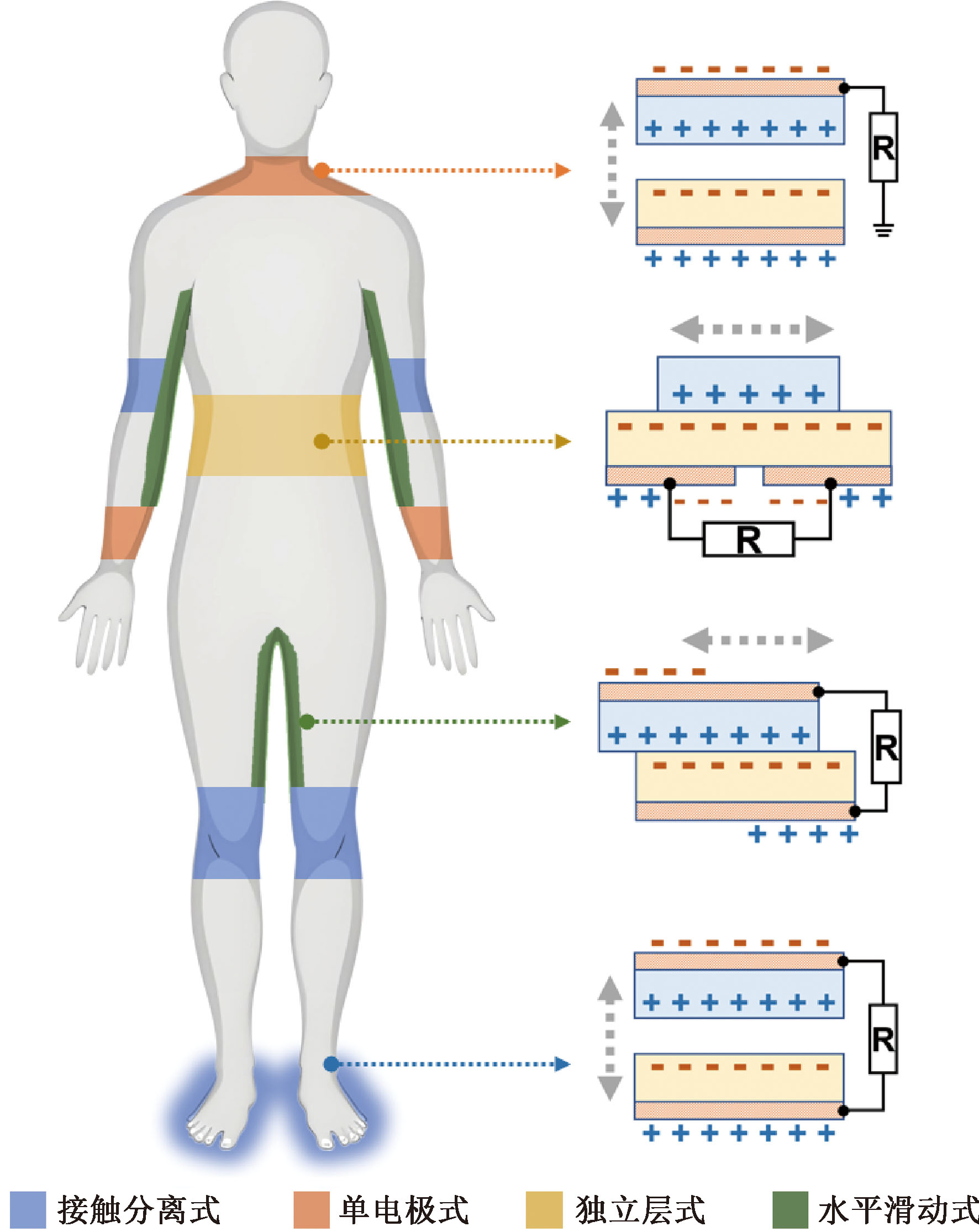
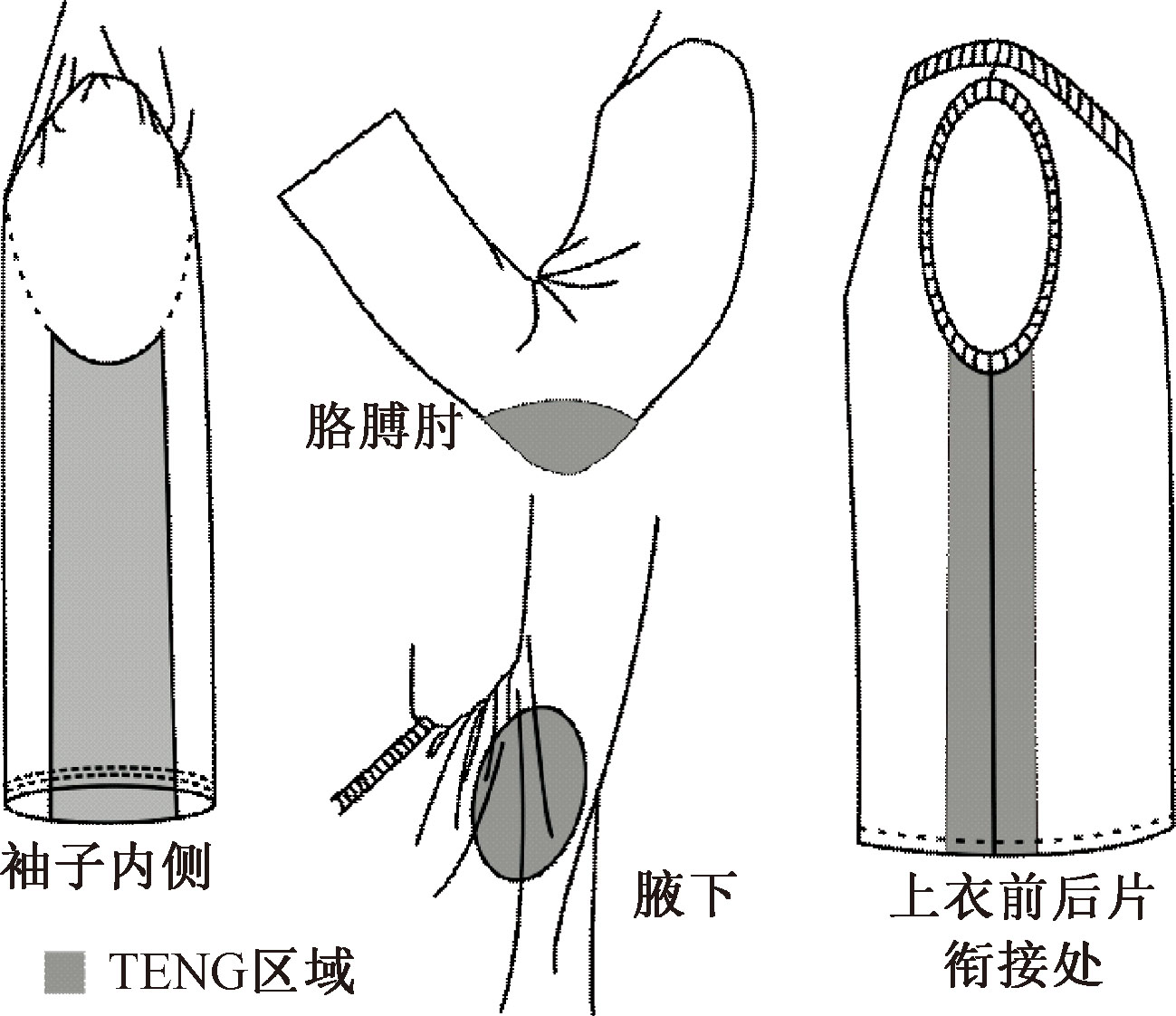
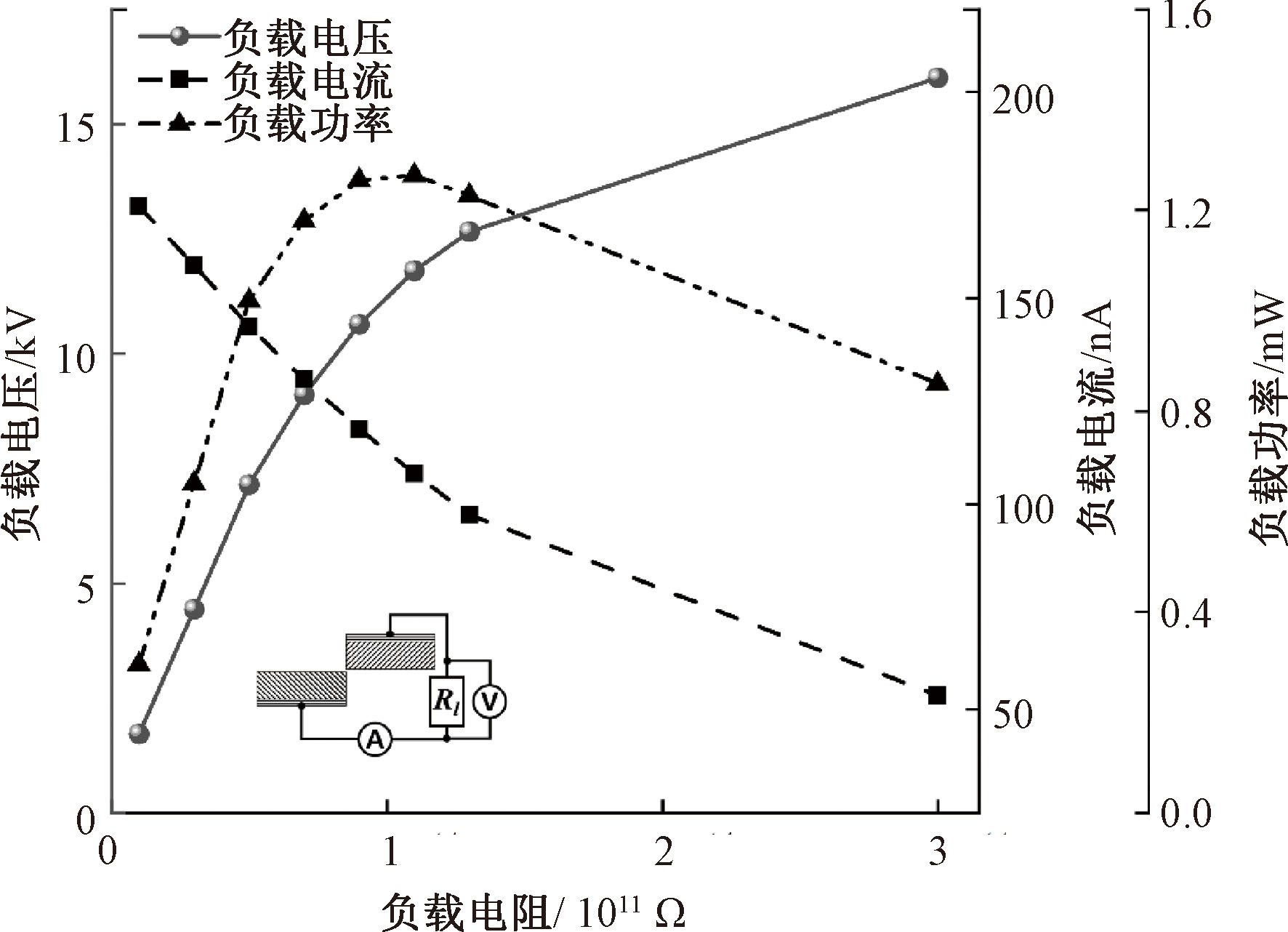
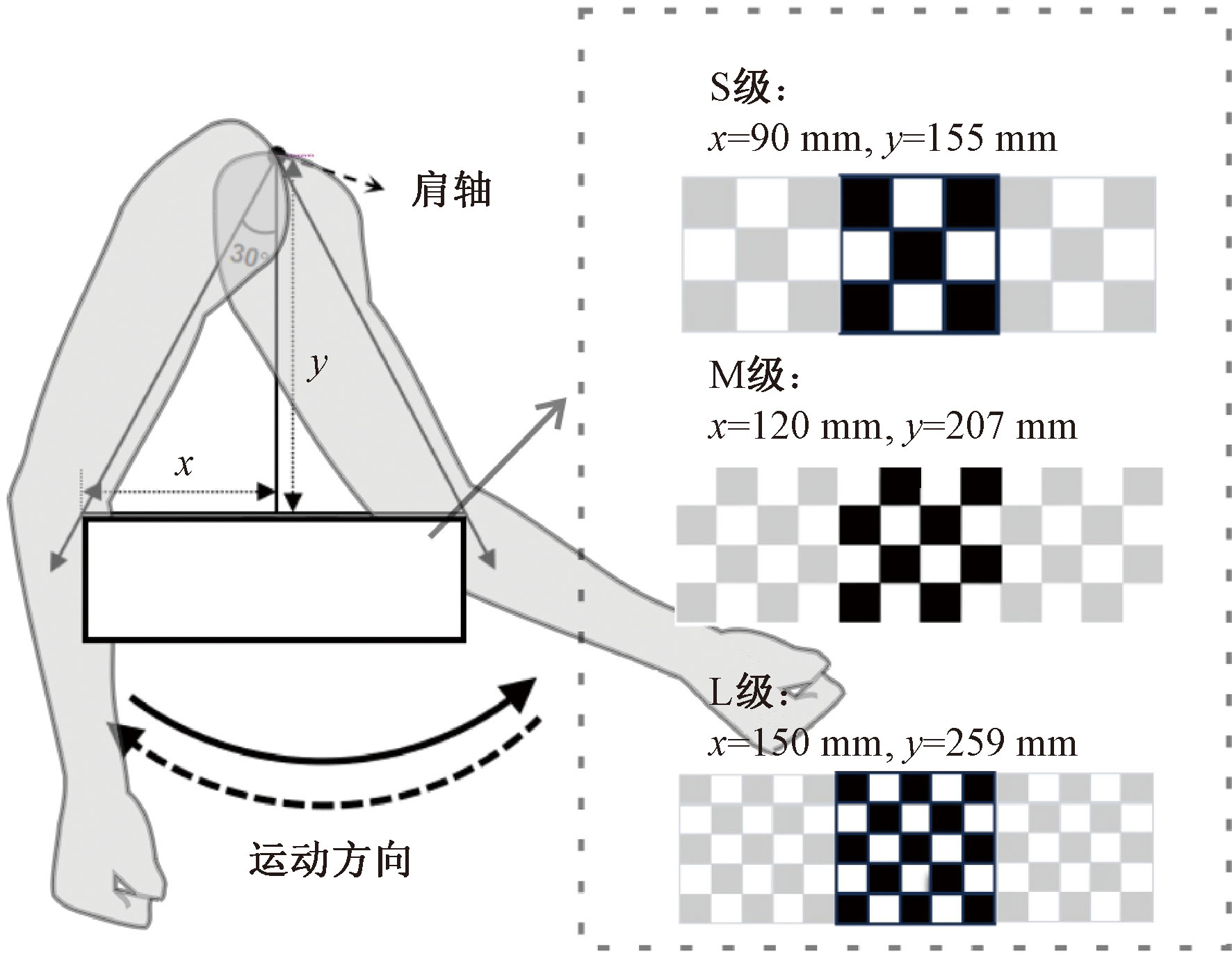
为满足智能服装对能源供应轻便高效的需求,根据摩擦纳米发电机(TENG)在捕获低频能量方面的显著优势及种类多样、便于实现的特点,提出了一种基于TENG原理的智能服装自供能优化设计方法。基于有限元理论构建水平滑动式TENG供能装置的有限元数值仿真模型,研究摩擦层面积、运动方式、运动幅度、运动频率等因素对水平滑动式TENG输出性能的影响规律,确定优化结构参数;结合人体运动特征提出了TENG的最佳安装方案。结果表明,优化设计后的TENG在最佳安装方案下,单体最大输出功率为1.2 mW;针对不同尺寸等级的服装,组合后的最大输出功率可达31.2 mW,足以驱动常见人体生命特征传感器正常工作,为智能服装的供能设计与优化提供了有效解决方案。
中图分类号:
| [1] | 沈雷, 桑盼盼. 不同领域技术下智能服装的发展现状及趋势[J]. 丝绸, 2019, 56(3): 45-53. |
| SHEN Lei, SANG Panpan. Research on development status and trend of smart clothing under technologies of different fields[J]. Journal of Silk, 2019, 56(3): 45-53. | |
| [2] | 李卉, 刘皓, 陈莉. 智能服装关键制备技术的研究进展[J]. 针织工业, 2021(12): 53-58. |
| LI Hui, LIU Hao, CHEN Li. Research progress of key manufacturing technologies of smart garments[J]. Knitting Industries, 2021(12): 53-58. | |
| [3] | 王子洵, 魏传辉, 吕天梅, 等. 自供电可穿戴智能纺织品研究进展[J]. 纺织工程学报, 2023, 12(6): 35-53. |
| WANG Zixun, WEI Chuanhui, LV Tianmei, et al. Research progress of self-powered smart wearable textiles[J]. Journal of Advanced Textile Engineering, 2023, 12(6): 35-53. | |
| [4] |
NIU S M, WANG Z L. Theoretical systems of triboelectric nanogenerators[J]. Nano Energy, 2015, 14: 161-192.
doi: 10.1016/j.nanoen.2014.11.034 |
| [5] | 王宁, 龚维, 王宏志. 面向可穿戴电子产品的自供能摩擦电纺织品研究进展[J]. 纺织学报, 2024, 45(4):41-49. |
| WANG Ning, GONG Wei, WANG Hongzhi. Review on self-powered triboelectric textiles for wearable elec-tronics[J]. Journal of Textile Research, 2024, 45(4):41-49. | |
| [6] | 李辉, 王娇娜, 赵树宇, 等. 柔性全编织摩擦纳米发电织物的制备[J]. 纺织学报, 2018, 39(9): 34-38, 56. |
| LI Hui, WANG Jiaona, ZHAO Shuyu, et al. Preparation of flexible all-braiding triboelectric nanogenerator[J]. Journal of Textile Research, 2018, 39(9): 34-38, 56. | |
| [7] |
KIM K N, CHUN J, KIM J W, et al. Highly stretchable 2D fabrics for wearable triboelectric nanogenerator under harsh environments[J]. ACS Nano, 2015, 9(6): 6394-6400.
doi: 10.1021/acsnano.5b02010 pmid: 26051679 |
| [8] | ZHOU T, ZHANG C, HAN C B, et al. Woven structured triboelectric nanogenerator for wearable devices[J]. ACS Applied Materials & Interfaces, 2014, 6(16): 14695-14701. |
| [9] |
ZHANG H L, YANG Y, HOU T C, et al. Triboelectric nanogenerator built inside clothes for self-powered glucose biosensors[J]. Nano Energy, 2013, 2(5): 1019-1024.
doi: 10.1016/j.nanoen.2013.03.024 |
| [10] |
WANG S H, LIN L, WANG Z L. Triboelectric nanogenerators as self-powered active sensors[J]. Nano Energy, 2015, 11: 436-462.
doi: 10.1016/j.nanoen.2014.10.034 |
| [11] | 刘萍. 三介质直流摩擦纳米发电机的频率依赖问题及抑制策略[D]. 重庆: 西南大学, 2024:1-20. |
| LIU Ping. Suppression strategy for the frequency dependence problem in ternary dielectric direct current triboelectric nanogenerator[D]. Chongqing: Southwest University, 2024:1-20. | |
| [12] |
SHI Q F, ZHANG Z X, CHEN T, et al. Minimalist and multi-functional human machine interface (HMI) using a flexible wearable triboelectric patch[J]. Nano Energy, 2019, 62: 355-366.
doi: 10.1016/j.nanoen.2019.05.033 |
| [13] | 桑盼盼, 沈雷. 功能性服装的作用及分类[J]. 服装学报, 2019, 4(2):112-116. |
| SANG Panpan, SHEN Lei. Review of the functions and categories of functional clothing[J]. Journal of Clothing Research, 2019, 4(2):112-116. | |
| [14] | 刘津池, 于淼, 王侠. 摩擦纳米发电机在织物基智能可穿戴中的应用[J]. 现代纺织技术, 2020, 28(4): 53-63. |
| LIU Jinchi, YU Miao, WANG Xia. Application of triboelectric nanogeneratorsin fabric-based intelligent wearable devices[J]. Advanced Textile Technology, 2020, 28(4): 53-63. | |
| [15] | 余静言. 摩擦纳米发电机在服装设计中的应用尝试[D]. 北京: 北京服装学院, 2018:2-30. |
| YU Jingyan. Application of friction nano-generator in clothing design[D]. Beijing: Beijing Institute of Clothing Technology, 2018:2-30. | |
| [16] |
LI J R, XIE Z X, WANG Z H, et al. A triboelectric gait sensor system for human activity recognition and user identification[J]. Nano Energy, 2023, 112: 108473.
doi: 10.1016/j.nanoen.2023.108473 |
| [17] |
WANG Z L. On Maxwell's displacement current for energy and sensors: the origin of nanogenerators[J]. Materials Today, 2017, 20(2): 74-82.
doi: 10.1016/j.mattod.2016.12.001 |
| [18] |
WANG S H, LIN L, XIE Y N, et al. Sliding-triboelectric nanogenerators based on in-plane charge-separation mechanism[J]. Nano Letters, 2013, 13(5): 2226-2233.
doi: 10.1021/nl400738p pmid: 23581714 |
| [19] | 丁亚飞, 陈翔宇. 基于摩擦纳米发电机的可穿戴能源器件[J]. 物理学报, 2020, 69(17): 8-27. |
| DING Yafei, CHEN Xiangyu. Triboelectric nanogenerator based wearable energy harvesting devices[J]. Acta Physica Sinica, 2020, 69(17): 8-27. | |
| [20] |
NIU S M, LIU Y, WANG S H, et al. Theory of sliding-mode triboelectric nanogenerators[J]. Advanced Materials, 2013, 25(43): 6184-6193.
doi: 10.1002/adma.v25.43 |
| [21] |
GUO X, SHAO J J, WILLATZEN M, et al. Theoretical model and optimal output of a cylindrical triboelectric nanogenerator[J]. Nano Energy, 2022, 92: 106762.
doi: 10.1016/j.nanoen.2021.106762 |
| [22] | MCCARTY L S, WHITESIDES G M. Electrostatic charging due to separation of ions at interfaces: contact electrification of ionic electrets[J]. Angewandte Chemie (International Ed), 2008, 47(12): 2188-2207. |
| [23] |
WANG J, WU C S, DAI Y J, et al. Achieving ultrahigh triboelectric charge density for efficient energy harvesting[J]. Nature Communications, 2017, 8(1): 88.
doi: 10.1038/s41467-017-00131-4 pmid: 28729530 |
| [24] | 中国高血压防治指南修订委员会, 高血压联盟, 中国医疗保健国际交流促进会高血压病学分会. 中国高血压防治指南(2024年修订版)[J]. 中华高血压杂志, 2024, 32(7): 645. |
| Writing Group of 2018 Chinese Guidelines for the Management of Hypertension, WChinese Hypertension League, Hypertension Branch of China International Exchange and Promotive Association for Medical and Health Care. 2024 Chinese guidelines for the management of hypertension[J]. Chin J Hypertens, 2024, 32(7): 645. |
| [1] | 李欣田, 周玄, 王展翾, 杜忠华, 徐立志. 层数与铺层方式对多层芳纶平纹织物抗侵彻性能的影响[J]. 纺织学报, 2025, 46(11): 126-136. |
| [2] | 范书乐, 王朝晖, 刘欢欢, 叶勤文. 老年人跌倒伤害防护智能服装的研究现状与发展方向[J]. 纺织学报, 2025, 46(11): 255-263. |
| [3] | 莫雁婷, 周莉, 陈思羽. 基于空间延展功能的菱形褶皱结构造型方法[J]. 纺织学报, 2025, 46(08): 191-198. |
| [4] | 胡安妮, 王婕, 杨五世, 钟跃崎. 面向虚拟展示的三维扫描服装纸样生成[J]. 纺织学报, 2025, 46(08): 209-216. |
| [5] | 吴雪杨, 徐启程, 单英浩, 林孝武, 刘晨铭. 集太阳能与电磁能量收集的人体可穿戴纳电网系统设计[J]. 纺织学报, 2025, 46(07): 202-208. |
| [6] | 罗玉玲, 杨喜竹, 王星岚, 郑晓慧, 赵胜男, 常素芹. 以相变包为冷源的冷却服研究进展[J]. 纺织学报, 2025, 46(07): 253-261. |
| [7] | 杨子田, 王诗琪, 雷梦洁. 马面裙坠感指数及结构解析[J]. 纺织学报, 2025, 46(07): 186-192. |
| [8] | 于晓坤, 易萍, 谢冠婧, 蔡凌霄. 基于人体动力学的服装衣袖运动舒适性探究[J]. 纺织学报, 2025, 46(06): 196-202. |
| [9] | 王旭, 李环宇, 付凡, 杨伟峰, 龚维. 镍掺杂液态金属复合纤维的连续制备及其应用[J]. 纺织学报, 2025, 46(06): 23-30. |
| [10] | 于梦菲, 高文丽, 任婧, 曹雷涛, 彭若铉, 凌盛杰. 摩擦纳米发电机用皮芯结构纤维的制备及其性能[J]. 纺织学报, 2025, 46(05): 1-9. |
| [11] | 刘烨, 王俊胜, 金星. 消防员个人防护装备用智能纺织品研究进展[J]. 纺织学报, 2025, 46(05): 105-115. |
| [12] | 闫静, 王亚倩, 刘晶晶, 李好义, 杨卫民, 康卫民, 庄旭品, 程博闻. 熔融静电纺长丝纱的制备及其在摩擦纳米发电机中的应用[J]. 纺织学报, 2025, 46(05): 23-29. |
| [13] | 陈枭, 赵继忠, 董凯. 基于接触起电效应的新型机电转化纤维性能提升策略[J]. 纺织学报, 2025, 46(05): 41-48. |
| [14] | 陈馨蔚, 顾冰菲, 田佳莉, 周思凡, 刘瑜希, 刘金灵, 易洁伦, 孙玥. 基于参数化设计和数值模拟仿真技术的运动文胸版型优化[J]. 纺织学报, 2025, 46(04): 162-170. |
| [15] | 王军, 殷晓玉, 周晓琪, 王思远. 智能矫姿服装设计[J]. 纺织学报, 2025, 46(04): 179-186. |
|
||
 京公网安备11010502044800号