纺织学报 ›› 2026, Vol. 47 ›› Issue (1): 151-158.doi: 10.13475/j.fzxb.20250502501
兰含宇1,2, 陈欣1,2, 梁东旭1,2, 赵昕1,2( ), 张清华1,2
LAN Hanyu1,2, CHEN Xin1,2, LIANG Dongxu1,2, ZHAO Xin1,2(), ZHANG Qinghua1,2
摘要:
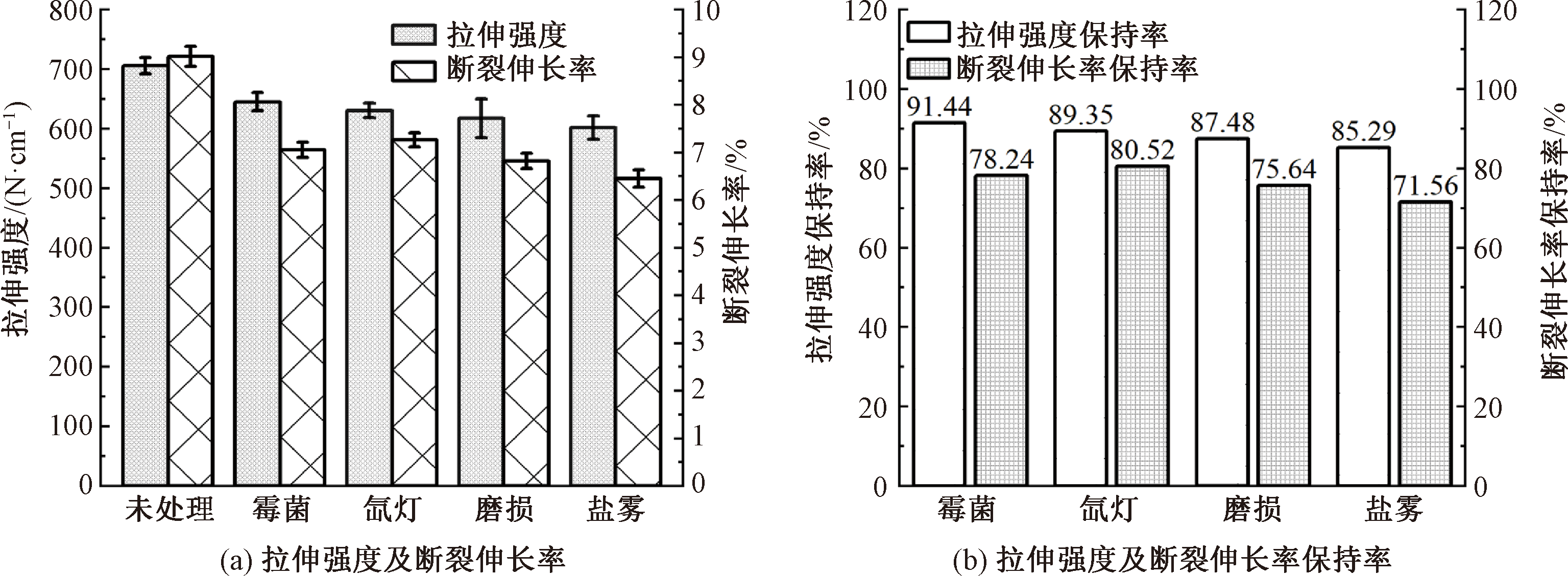
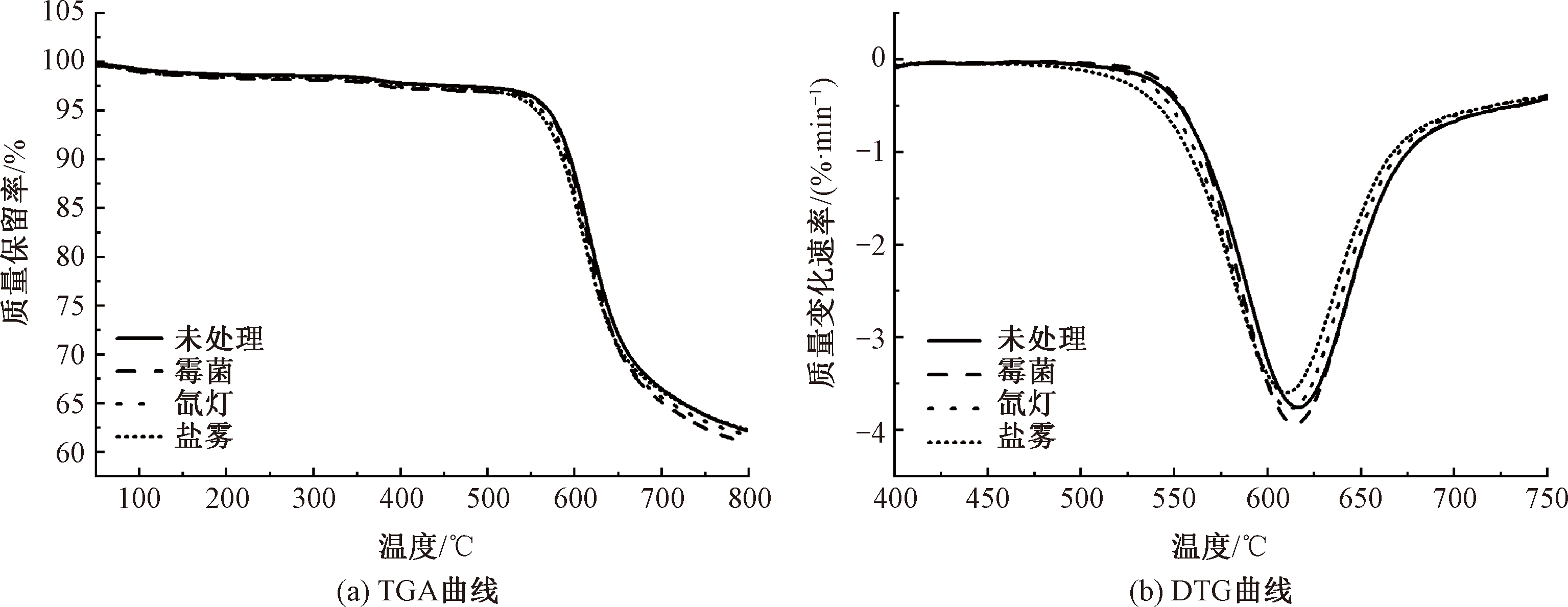
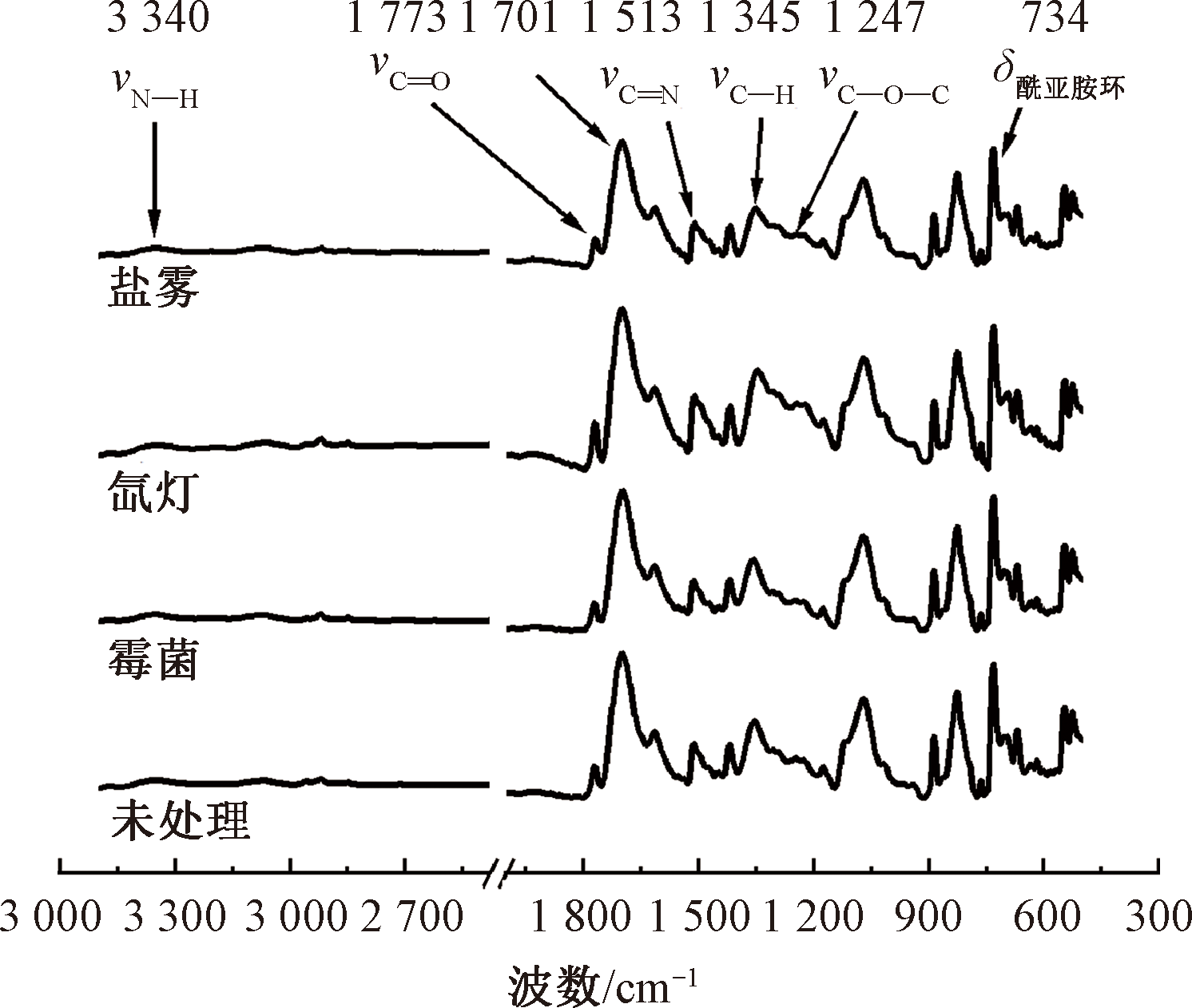
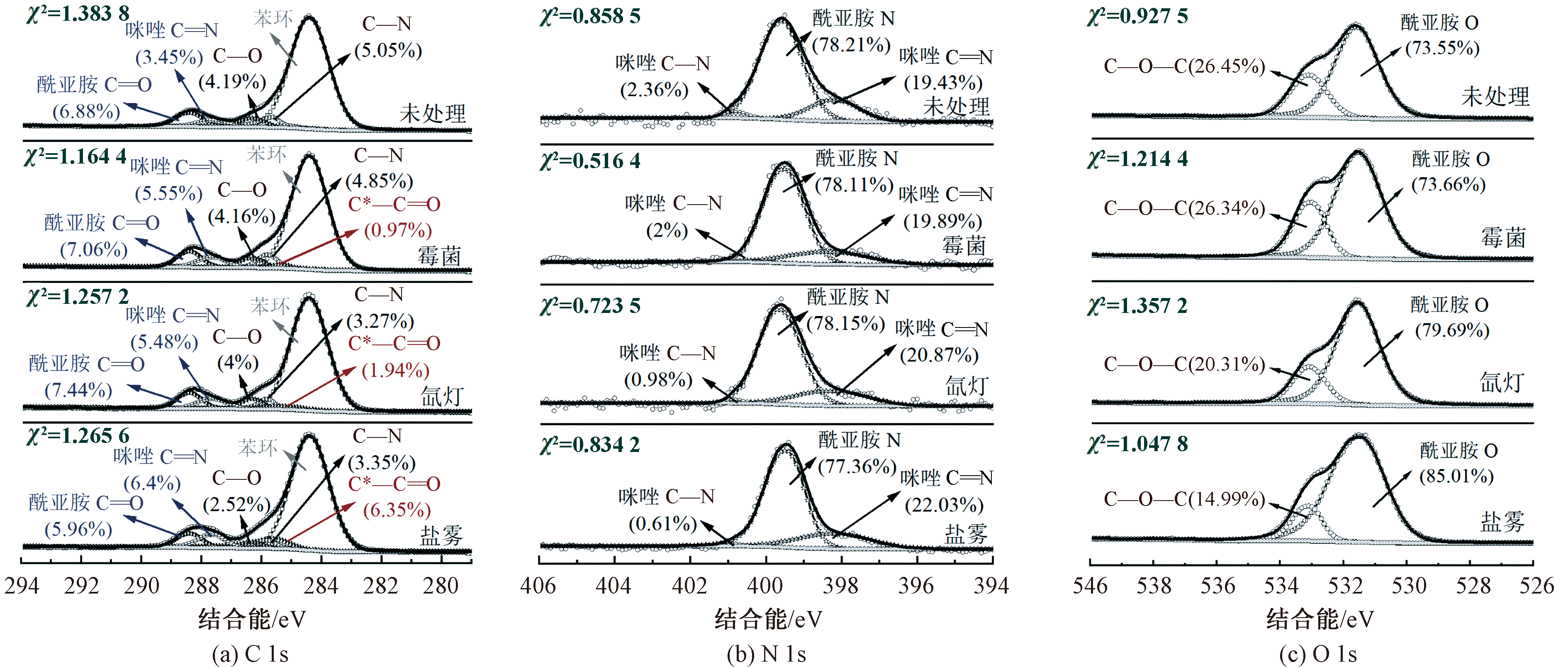
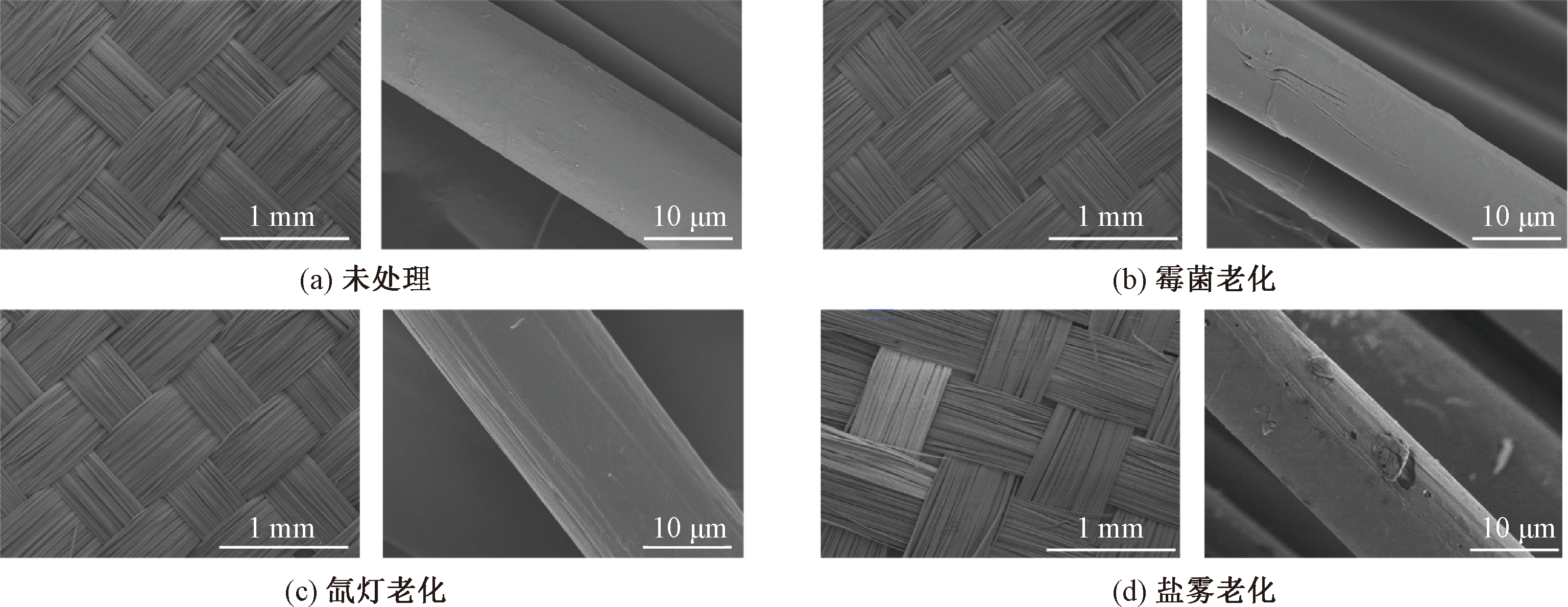
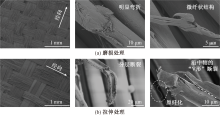
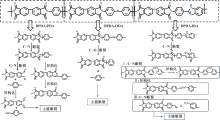
为评估高强聚酰亚胺织物在复杂严苛环境中的长期安全可靠性、预测其服役寿命,并进一步优化生产工艺、开发性能更稳定和耐久性更强的新一代纤维,选取霉菌侵蚀、氙灯辐照、盐雾及机械磨损4种环境条件,系统模拟聚酰亚胺织物在大气、太阳辐射等多种工况下的老化过程。借助电子万能材料试验机、光电子能谱分析以及场发射扫描电子显微镜对老化前后试样的拉伸强度、化学结构和微观形貌进行表征分析,并初步探究其老化机制。结果表明:选择的4种加速老化条件均导致聚酰亚胺织物试样的力学性能和耐热性能出现不同程度的下降;其中,氙灯辐照和盐雾处理对材料造成的损伤尤为显著,引发了明显的表面缺陷;进一步机制分析显示,老化过程中聚酰亚胺大分子链中相对脆弱的化学键被破坏,是导致材料性能退化的原因。
中图分类号:
| [1] | 宋晓峰. 聚酰亚胺的研究与进展[J]. 纤维复合材料, 2007, 24(3): 33-37. |
| SONG Xiaofeng. Research and progress of polyimide[J]. Fiber Composites, 2007, 24(3): 33-37. | |
| [2] |
ZHENG S S, DONG J, ZHOU X Y, et al. High-strength and high-modulus polyimide fibers with excellent UV and ozone resistance[J]. ACS Applied Polymer Materials, 2022, 4(6): 4558-4567.
doi: 10.1021/acsapm.2c00550 |
| [3] | JIANG S H, UCH B, AGARWAL S, et al. Ultralight, thermally insulating, compressible polyimide fiber assembled sponges[J]. ACS Applied Materials & Interfaces, 2017, 9(37): 32308-32315. |
| [4] | 方国平, 杨艳, 何建忠. 聚酰亚胺8121高性能纤维技术及应用研究[J]. 针织工业, 2024(4): 6-11. |
| FANG Guoping, YANG Yan, HE Jianzhong. Technology and application of polyimide 8121 high-performance fiber[J]. Knitting Industries, 2024(4): 6-11. | |
| [5] |
CHEN J, DING N W, LI Z F, et al. Organic polymer materials in the space environment[J]. Progress in Aerospace Sciences, 2016, 83: 37-56.
doi: 10.1016/j.paerosci.2016.02.002 |
| [6] | MINTON T K, ROUSSEL J F. Materials in a space environment[J]. ACS Applied Materials & Interfaces, 2010, 2(10): 2687-2688. |
| [7] |
XU S Q, LIN D L, LI R Y, et al. Effect of chemical structures and environmental factors on the thermal degradation mechanism of polyimide: experiments and molecular dynamics simulations[J]. Materials Today Chemistry, 2024, 40: 102242.
doi: 10.1016/j.mtchem.2024.102242 |
| [8] |
ZHANG J L, ZHOU X Y, DONG J, et al. Intrinsically UV-resistant copolyimide: exploring the impact of UV-absorbing groups on degradation and comprehensive performance[J]. Macromolecules, 2024, 57(3): 1266-1276.
doi: 10.1021/acs.macromol.3c02170 |
| [9] | 杨传超, 徐鸿杰, 田国峰, 等. 高强高模聚酰亚胺纤维的空间环境适应性研究及在航天领域的应用前景分析[J]. 材料导报, 2022, 36(22): 184-188. |
| YANG Chuanchao, XU Hongjie, TIAN Guofeng, et al. Research on space environment adaptability of polyimide fiber with high-strength and high-modulus and analysis of its application prospects in aerospace field[J]. Materials Reports, 2022, 36(22): 184-188. | |
| [10] | 琚丹丹, 王馨敏, 孙承月, 等. PI纤维在空间带电粒子辐照下的力学性能损伤[J]. 装备环境工程, 2020, 17(3): 1-7. |
| JU Dandan, WANG Xinmin, SUN Chengyue, et al. Mechanical properties of polyimide fibers under the irradiation of space charged particles[J]. Equipment Environmental Engineering, 2020, 17(3): 1-7. | |
| [11] |
HOQUE M S, DOLEZ P I. Impact of photochemical aging on high-performance fabrics used in firefighters' protective clothing[J]. Journal of Polymer Science, 2024, 62(23): 5347-5371.
doi: 10.1002/pola.v62.23 |
| [12] |
EVANS S. Estimation of the uncertainties associated with XPS peak intensity determination[J]. Surface and Interface Analysis, 1992, 18(5): 323-332.
doi: 10.1002/sia.v18:5 |
| [13] | 马杰. 临近空间模拟环境下Kevlar和Vectran纤维织物损伤行为研究[D]. 天津: 河北工业大学, 2022. |
| MA Jie. Damage behavior of kevlar and vectran fibers in near space simulation environment[D]. Tianjin: Hebei University of Technology, 2022. | |
| [14] |
ZHANG W X, JING X F, BAI Y Q, et al. Study on the aging behavior of an ultra-high molecular weight polyethylene fiber barrier net in a marine environment[J]. Materials, 2022, 15(16): 5599.
doi: 10.3390/ma15165599 |
| [15] |
CHEN M H, LIANG B, GUO Y H, et al. Pyrolysis mechanism of polyimide containing bio-molecule adenine building block[J]. Polymer Degradation and Stability, 2020, 175: 109124.
doi: 10.1016/j.polymdegradstab.2020.109124 |
| [16] |
徐诗琴, 蔺道雷, 李闰月, 等. 聚酰亚胺薄膜老化过程中的结构与性能演变机理研究[J]. 化工新型材料, 2023, 51(9): 156-160, 167.
doi: 10.19817/j.cnki.issn1006-3536.2023.09.029 |
|
XU Shiqin, LIN Daolei, LI Runyue, et al. Evolution mechanism of structure and properties of polyimide films during aging[J]. New Chemical Materials, 2023, 51(9): 156-160, 167.
doi: 10.19817/j.cnki.issn1006-3536.2023.09.029 |
|
| [17] |
ROY R, SARKAR B K, BOSE N R. Effects of moisture on the mechanical properties of glass fibre reinforced vinylester resin composites[J]. Bulletin of Materials Science, 2001, 24(1): 87-94.
doi: 10.1007/BF02704845 |
| [18] |
LIU L L, JIN F, JI J, et al. Research on the quasi-static/dynamic mechanical properties and impact resistance of 3D woven composites under salt spray aging[J]. Composites Part A: Applied Science and Manufacturing, 2025, 194: 108923.
doi: 10.1016/j.compositesa.2025.108923 |
| [19] |
GU J D, FORD T E, MITCHELL R. Susceptibility of electronic insulating polyimides to microbial degradation[J]. Journal of Applied Polymer Science, 1996, 62(7): 1029-1034.
doi: 10.1002/(ISSN)1097-4628 |
| [1] | 罗家俊, 何耀权, 赵振鸿, 黎锦稻, 赵景, 黄钢, 王先锋. 苯乙烯-乙烯-丁烯-苯乙烯/氟化聚酰亚胺防水透湿纤维膜的制备及其性能[J]. 纺织学报, 2026, 47(1): 38-45. |
| [2] | 史芷丞, 陈凤翔, 王梦云, 白洁, 李娟, 白濛, 伏广伟, 徐卫林. 面向空天应用的高性能无机纤维及制品发展现状及趋势[J]. 纺织学报, 2025, 46(12): 233-242. |
| [3] | 袁颖, 滕凤冬, 曹煜彤, 于俊荣, 李娜, 胡祖明, 王彦. 高模量对位芳纶研究进展[J]. 纺织学报, 2025, 46(11): 238-246. |
| [4] | 吴晋瑶, 钟毅, 张琳萍, 徐红, 毛志平. 基于聚苯胺的柔性红外隐身薄膜的制备与性能[J]. 纺织学报, 2025, 46(09): 1-8. |
| [5] | 刘旭东, 宋政吉, 陈世昌, 陈文兴. 改性环氧树脂涂覆聚酰亚胺纤维的表面性能[J]. 纺织学报, 2025, 46(08): 18-27. |
| [6] | 贾琳, 杨奥杰, 张芳铖, 王西贤, 张海霞. 共聚型聚酰亚胺纳米纤维膜的制备及其性能[J]. 纺织学报, 2025, 46(08): 37-44. |
| [7] | 张毅, 沈殷, 高金霞, 郁崇文. 棕榈纤维吸声复合材料的老化性能[J]. 纺织学报, 2025, 46(06): 127-134. |
| [8] | 郭羽晴, 屈芸, 张利平, 孙洁. 芳纶纳米纤维制备及其可纺性[J]. 纺织学报, 2025, 46(04): 1-10. |
| [9] | 严艺, 朱达辉. 老年智能服装研究现状与发展趋势[J]. 纺织学报, 2025, 46(04): 244-254. |
| [10] | 王彪, 李源, 董杰, 张清华. 热亚胺化中应力对聚酰亚胺纤维结构和性能的影响[J]. 纺织学报, 2025, 46(03): 1-8. |
| [11] | 李慧敏, 刘淑强, 杜琳琳, 张曼, 吴改红. 玄武岩/聚酰亚胺三维间隔机织物的参数化建模及高温环境传热数值模拟[J]. 纺织学报, 2025, 46(01): 87-94. |
| [12] | 刘欢欢, 孟虎, 王朝晖. 适老化智能可穿戴设计研究进展及发展趋势[J]. 纺织学报, 2024, 45(03): 236-243. |
| [13] | 南静静, 杜明娟, 孟家光, 余灵婕, 支超. 海水老化下类填充微穿孔板结构水下吸声材料的性能及其寿命预测[J]. 纺织学报, 2024, 45(02): 85-92. |
| [14] | 夏良君, 曹根阳, 刘欣, 徐卫林. 高性能纤维及其制品颜色构建的研究进展[J]. 纺织学报, 2023, 44(06): 1-9. |
| [15] | 缪莹, 熊诗嫚, 郑敏博, 唐建东, 张慧霞, 丁彩玲, 夏治刚. 高光洁处理对聚酰亚胺短纤纱及其织物性能的影响[J]. 纺织学报, 2023, 44(02): 118-127. |
|
||
 京公网安备11010502044800号