纺织学报 ›› 2025, Vol. 46 ›› Issue (07): 111-118.doi: 10.13475/j.fzxb.20240900201
张逸飞, 万玥, 暨若云, 付少举, 王璐, 关国平( )
)
ZHANG Yifei, WAN Yue, JI Ruoyun, FU Shaoju, WANG Lu, GUAN Guoping()
摘要:
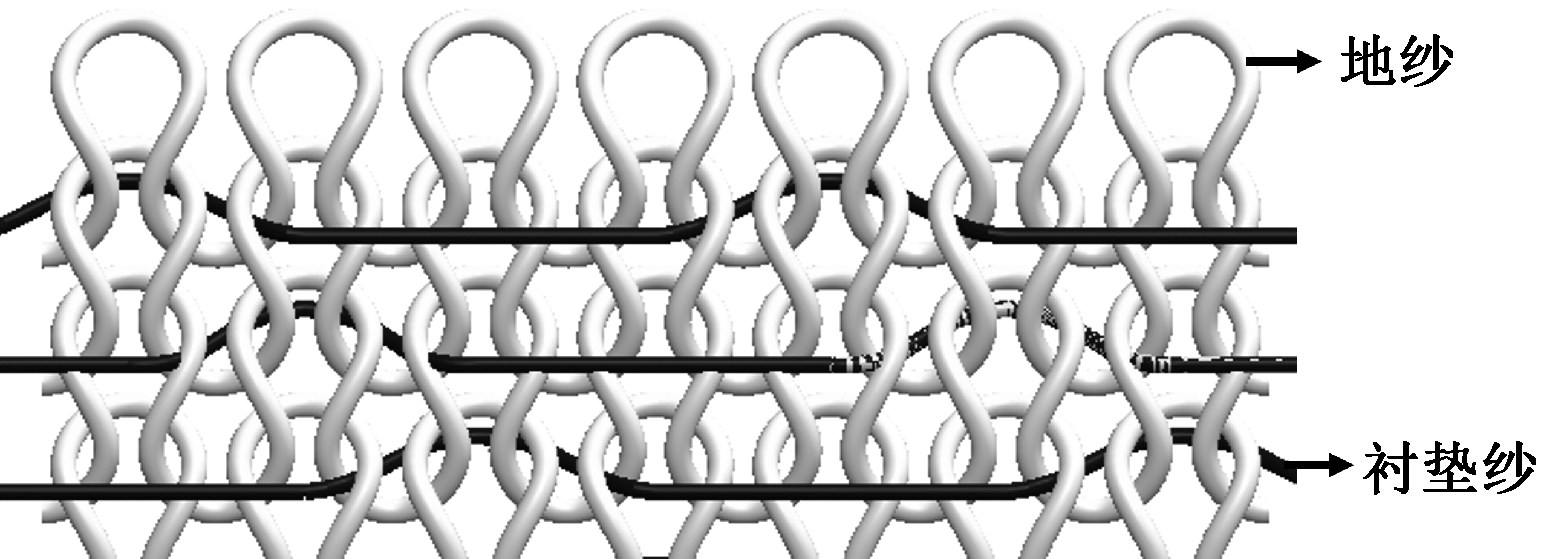
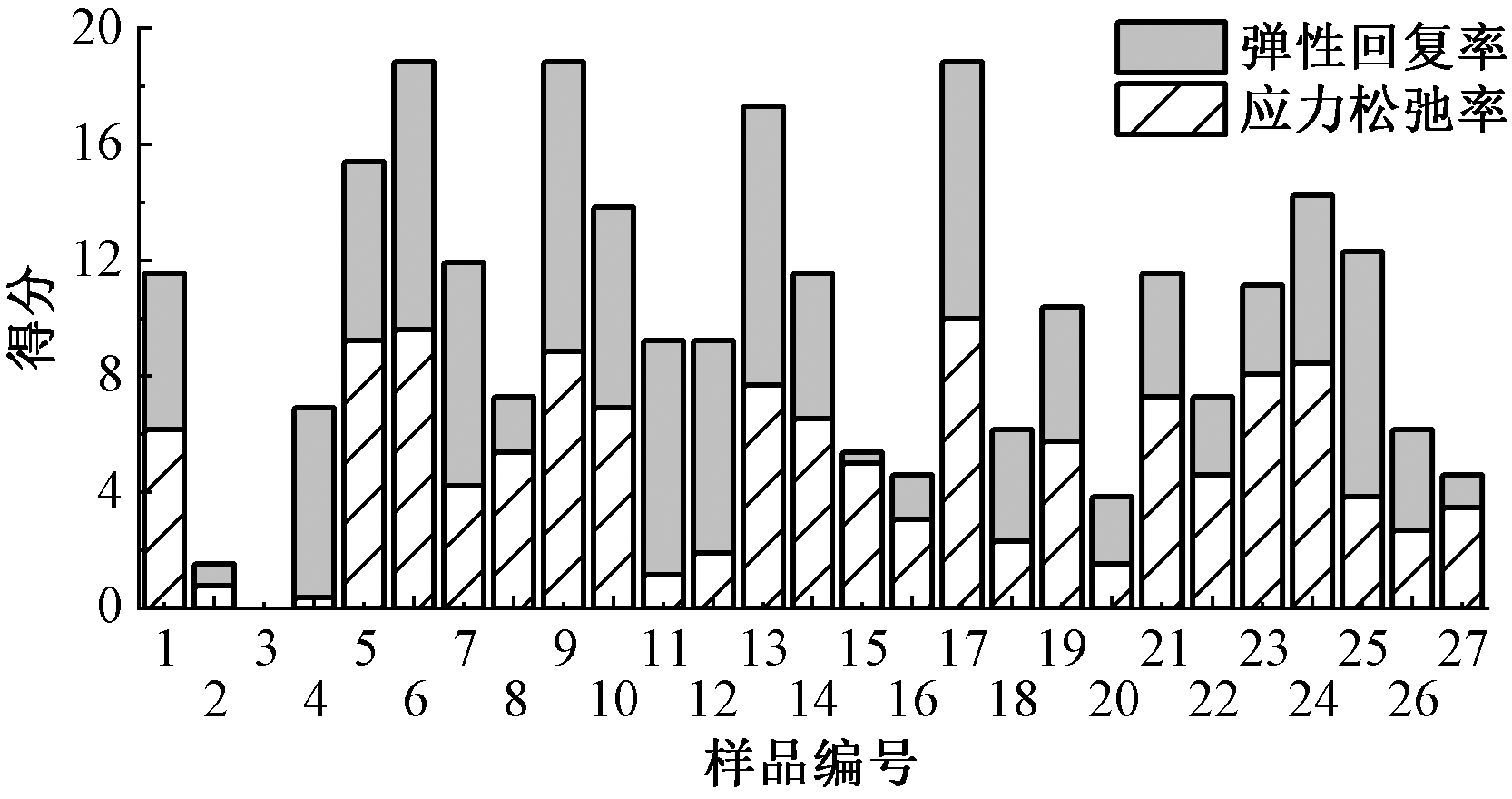
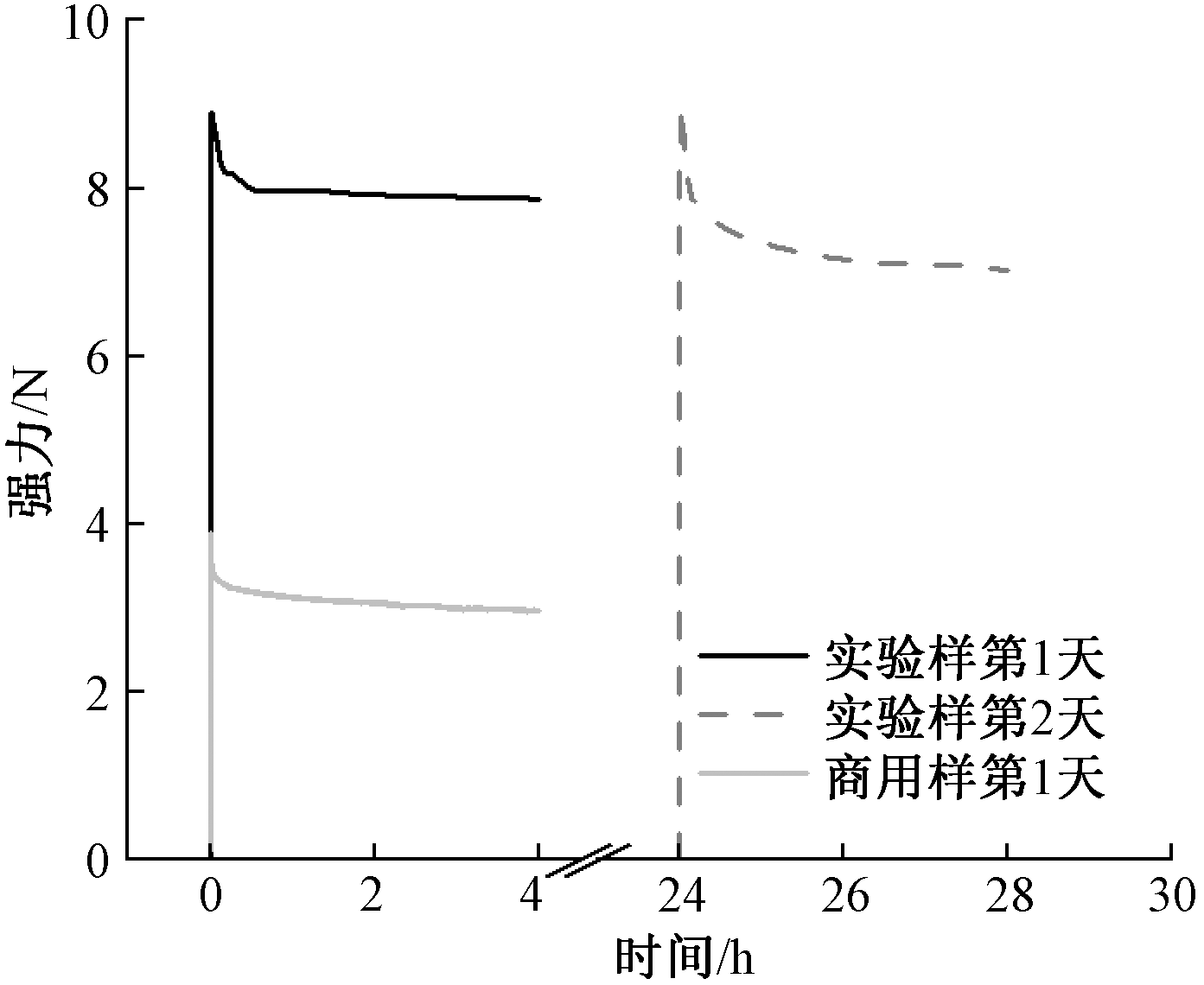
为解决医用压力服装的舒适性问题,以天然蚕丝/氨纶包覆纱为原料,采用平针衬垫(衬垫比为1∶3)结构,通过调整不同衬垫纱初始模量(0.4~0.6 cN/tex)、地纱芯纱线密度(4.44、6.11、7.78 tex)和喂纱张力分级(2~4级)等针织参数,制备无缝医用压力臂套。通过分析压力臂套的力学性能,对比筛选最优的制样参数,并与商用产品进行对比,探讨各制样参数对压力臂套舒适性和服装压的影响。结果表明:在力学性能方面,所制样品的弹性回复率最高可达87%,应力松弛率可低于8%,且在模拟23 h/d穿戴条件的循环载荷测试中,力学强度衰减较商用产品降低51%;在舒适性方面,样品17的透气率达到(371.892±18.80) L/(m2·s),样品6的综合导湿性能评分达到4分。此外,压力臂套样品17的抗静电性能评级达到较优秀以上。在服装压测试中,所制样品满足医用压力服装不同等级的压缩需求。
中图分类号:
| [1] |
MACRAE B A, COTTER J D, LAING R M. Compression garments and exercise: garment considerations, physiology and performance[J]. Sports Medicine, 2011, 41: 815-843.
doi: 10.2165/11591420-000000000-00000 pmid: 21923201 |
| [2] | 赵立环, 刘斯璐, 赵晓明, 等. 医用紧身服应用现状及发展趋势[J]. 针织工业, 2023(2): 54-59. |
| ZHAO Lihuan, LIU Silu, ZHAO Xiaoming, et al. Application status and development prospect of medical tight-fitting garments[J]. Knitting Industries, 2023(2): 54-59. | |
| [3] | WANG L, FELDER M, CAI J Y. Study of properties of medical compression garment fabrics[J]. Journal of Fiber Bioengineering and Informatics, 2011, 4(1): 15-22. |
| [4] | POWELL H M, NEDELEC B. Mechanomodulation of burn scarring via pressure therapy[J]. Advances in Wound Care, 2022, 11(4): 179-191. |
| [5] |
ERDINÇ GÜNDÜZ N, SAHIN E, DILEK B, et al. Adherence to compression garment wear and associated factors among patients with breast cancer-related lymphedema: a pilot study from a Turkish tertiary center[J]. Lymphatic Research and Biology, 2022, 20(6): 665-670.
doi: 10.1089/lrb.2021.0091 pmid: 35245100 |
| [6] | AGARWAL S, JUNEJA S. The effectiveness of compression garment in relieving muscular pain: a review[J]. International Journal of Clothing Science and Technology, 2023, 35(4): 557-564. |
| [7] | 周梦云, 阎玉秀, 金子敏, 等. 增生性瘢痕压力服研究与临床现状及展望[J]. 现代纺织技术, 2021, 29(5): 78-87. |
| ZHOU Mengyun, YAN Yuxiu, JIN Zimin, et al. Research, clinical status and prospect of hypertrophic scar pressure garments[J]. Modern Textile Technology, 2021, 29 (5): 78-87. | |
| [8] | ROSSER P. Adherence to pressure garment therapy of post traumatic burn injury: 87[J]. Journal of Burn Care & Research, 2000. DOI:10.1097/00004630-200001001-00087. |
| [9] | MURUGESH BABU K, SAHANA N, ANITHA D, et al. Silk fibroin coated antimicrobial textile medical products[J]. The Journal of The Textile Institute, 2021, 112(8): 1199-1207. |
| [10] |
李莹莹, 王昉, 刘其春, 等. 丝素蛋白及其复合材料的研究进展[J]. 材料工程, 2018, 46(8): 14-26.
doi: 10.11868/j.issn.1001-4381.2017.001242 |
| LI Yingying, WANG Fang, LIU Qichun, et al. Research progress in silk fibroin and its composite materials[J]. Materials Engineering, 2018, 46 (8): 14-26. | |
| [11] |
SAHOO J K, HASTURK O, FALCUCCI T, et al. Silk chemistry and biomedical material designs[J]. Nature Reviews Chemistry, 2023, 7(5): 302-318.
doi: 10.1038/s41570-023-00486-x pmid: 37165164 |
| [12] | TIAN L, SHI J, CHEN H, et al. Cut-resistant performance of Kevlar and UHMWPE covered yarn fabrics with different structures[J]. The Journal of The Textile Institute, 2022, 113(7): 1457-1463. |
| [13] | 唐明迷, 龙海如, 徐红, 等. 驼绒/水溶性维纶包芯纱的包覆效果及性能[J]. 东华大学学报(自然科学版), 2014, 40(5): 549-554. |
| TANG Mingmi, LONG Hairu, XU Hong, et al. Covering effect and properties of camel hair/water-soluble PVA core-spun yarn[J]. Journal of Donghua University (Natural Science Edition), 2014, 40 (5): 549-554. | |
| [14] | 李世超. 江南丝绸文化高质量发展的苏州实践[J]. 江苏丝绸, 2021(6): 4-6. |
| LI Shichao. Suzhou's practice of high-quality development of Jiangnan silk culture[J]. Jiangsu Silk, 2021(6): 4-6. | |
| [15] | 何紫琴, 张倩, 牛文鑫, 等. 基于压力织物的地组织用包覆纱的成型[J]. 上海纺织科技, 2021, 49(12): 26-30. |
| HE Ziqin, ZHANG Qian, NIU Wenxin, et al. Forming of covered yarn for ground weave based on pressure fabric[J]. Shanghai Textile Technology, 2021, 49 (12): 26-30. | |
| [16] | 刘飞燕, 张建方. 多指标回归综合评分[J]. 数理统计与管理, 2014, 33(3): 408-415. |
| LIU Feiyan, ZHANG Jianfang. Multi-index comprehensive regression scoring[J]. Mathematical Statistics and Management, 2014, 33 (3): 408-415. | |
| [17] | MACINTYRE L, BAIRD M. Pressure garments for use in the treatment of hypertrophic scars: a review of the problems associated with their use[J]. Burns, 2006, 32(1): 10-15. |
| [18] | 王俊珲. 体育科学视角下运动服装的压力与舒适性研究[J]. 染整技术, 2024, 46(4): 51-53. |
| WANG Junhui. Research on pressure and comfort of sportswear from the perspective of sports science[J]. Dyeing and Finishing Technology, 2024, 46 (4): 51-53. | |
| [19] | MACINTYRE L, DAHALE M, RAE M. Impact of moisture on the pressure delivering potential of pressure garments[J]. Journal of Burn Care & Research, 2016, 37(4): 365-373. |
| [20] | 金贵玉, 程伟. 服装压力舒适性主要影响因素和压力测量方法[J]. 针织工业, 2022(5): 75-79. |
| JIN Guiyu, CHENG Wei. Main factors affecting clothing pressure comfort and measurement methods[J]. Knitting Industries, 2022, (5): 75-79. |
| [1] | 刘颖慧, 张昭华, 杨艺文. 基于热电制冷技术的管道式通风服研发与测评[J]. 纺织学报, 2025, 46(07): 209-216. |
| [2] | 罗玉玲, 杨喜竹, 王星岚, 郑晓慧, 赵胜男, 常素芹. 以相变包为冷源的冷却服研究进展[J]. 纺织学报, 2025, 46(07): 253-261. |
| [3] | 腾燕飞, 万爱兰. 消臭运动袜的研发及其性能[J]. 纺织学报, 2025, 46(06): 120-126. |
| [4] | 于晓坤, 易萍, 谢冠婧, 蔡凌霄. 基于人体动力学的服装衣袖运动舒适性探究[J]. 纺织学报, 2025, 46(06): 196-202. |
| [5] | 徐桐, 徐瑞东, 王奕文, 田明伟. 纺织基触摸电子织物的制备及其触摸性能[J]. 纺织学报, 2025, 46(06): 31-37. |
| [6] | 朱梦慧, 葛美彤, 董智佳, 丛洪莲, 马丕波. 纬编双面羊毛/涤纶交织物的结构与热湿性能评价[J]. 纺织学报, 2025, 46(05): 179-185. |
| [7] | 杨琪, 周晓钰, 季静, 戴宏钦. 化学防护服内湿度调节装置的设计与性能评价[J]. 纺织学报, 2025, 46(05): 262-269. |
| [8] | 沙莎, 戴佳丽, 褚国伟, 付康怡, 刘雅婷, 邓中民. 全成形康复训练裤的结构设计与实现[J]. 纺织学报, 2025, 46(04): 171-178. |
| [9] | 张蕙, 杨海伟, 金鲜花, 杨超, 王宗乾. 氯化胆碱低共熔溶剂在蚕丝绵片脱胶和辅助漂白中的应用[J]. 纺织学报, 2025, 46(04): 103-108. |
| [10] | 岳欣琰, 邵剑波, 王小虎, 韩潇, 赵晓曼, 洪剑寒. 基于镀银锦纶/锦纶/水性聚氨酯复合纱的一维结构柔性电容传感器[J]. 纺织学报, 2025, 46(03): 82-89. |
| [11] | 王浙峰, 蔡王丹, 李诗雅, 徐青艺, 张红霞, 祝成炎, 金肖克. 抗菌除臭复合功能机织物的服用性能[J]. 纺织学报, 2025, 46(03): 90-99. |
| [12] | 敖利民, 潘柳菲, 唐雯, 方瑞峰. 四轴系喂入包覆纱的复合结构与性能[J]. 纺织学报, 2025, 46(01): 52-61. |
| [13] | 巫晓雯, 方蕾妹, 江昆, 丛洪莲. 基于热湿舒适性的横编全成形运动内衣的分区设计[J]. 纺织学报, 2024, 45(12): 172-179. |
| [14] | 杨鑫, 张昕, 潘志娟. 丝素纳米原纤增强再生丝素蛋白/聚乙烯醇纤维的结构与性能[J]. 纺织学报, 2024, 45(11): 1-9. |
| [15] | 王勃翔, 徐航丹, 李佳, 林杰, 程德红, 路艳华. 柞蚕丝素纳米纤维温敏复合膜制备及其生物相容性[J]. 纺织学报, 2024, 45(09): 18-25. |
|
||
 京公网安备11010502044800号