纺织学报 ›› 2026, Vol. 47 ›› Issue (05): 9-17.doi: 10.13475/j.fzxb.20250800101

• 纤维材料 • 上一篇    下一篇

自修复聚氨酯离子凝胶纤维基柔性传感材料的制备及其性能

任莹莹, 李倩倩, 罗梦颖, 王栋, 李沐芳()   

  1. 武汉纺织大学 纺织纤维及制品教育部重点实验室, 湖北 武汉 430200
  • 收稿日期:2025-08-01 修回日期:2026-03-05 出版日期:2026-05-15 发布日期:2026-07-10
  • 通讯作者: 李沐芳(1985—),女,教授,博士。主要研究方向为功能纤维材料。E-mail: limufang223@126.com
  • 作者简介:任莹莹(2000—),女,硕士生。主要研究方向为多功能离子凝胶材料。
  • 基金资助:
    国家重点研发计划项目(2022YFB3805801);湖北省教育厅科学研究计划指导性项目(B2022078)

Preparation and properties of self-healing polyurethane ionogel fiber-based flexible sensing material

REN Yingying, LI Qianqian, LUO Mengying, WANG Dong, LI Mufang()   

  1. Key Laboratory of Textile Fiber and Products, Ministry of Education, Wuhan Textile University, Wuhan, Hubei 430200, China
  • Received:2025-08-01 Revised:2026-03-05 Published:2026-05-15 Online:2026-07-10

摘要:

针对现有离子凝胶传感器多为致密薄膜形式、透湿透气性与穿戴舒适性不足的问题,以动态亚胺-脲键构筑自修复聚氨酯(SHPU)为基体,与1-乙基-3-甲基咪唑双氰胺盐(EMIM:DCA)离子液体复合,采用溶液浇铸与湿法纺丝技术制备了一系列EMIM:DCA/SHPU离子凝胶薄膜及纤维,并通过调控EMIM:DCA的质量分数优化离子凝胶性能。结果表明,EMIM:DCA/SHPU导电薄膜在80 ℃下修复12 h后,其应力修复效率均高于88%上,应变修复效率均高于89%,展现出优异的自修复效率。所得薄膜在EMIM:DCA质量分数为10%时,拉伸强度达10.2 MPa,断裂伸长率为685%,热分解温度超过150 ℃。含30% EMIM:DCA的SHPU导电纤维的灵敏度为3.58,对手部运动的响应时间和恢复时间均小于703 ms,并能稳定输出电阻信号精准捕捉手腕、手肘及手指等多部位运动状态。该材料具有高效的自修复能力、优异的力学性能及灵敏稳定的柔性传感特性,在可穿戴健康监测和人机交互等柔性传感领域具有广阔的应用潜力。

关键词: 功能高分子材料, 自修复聚氨酯, 湿法纺丝, 离子凝胶纤维, 柔性传感器

Abstract:

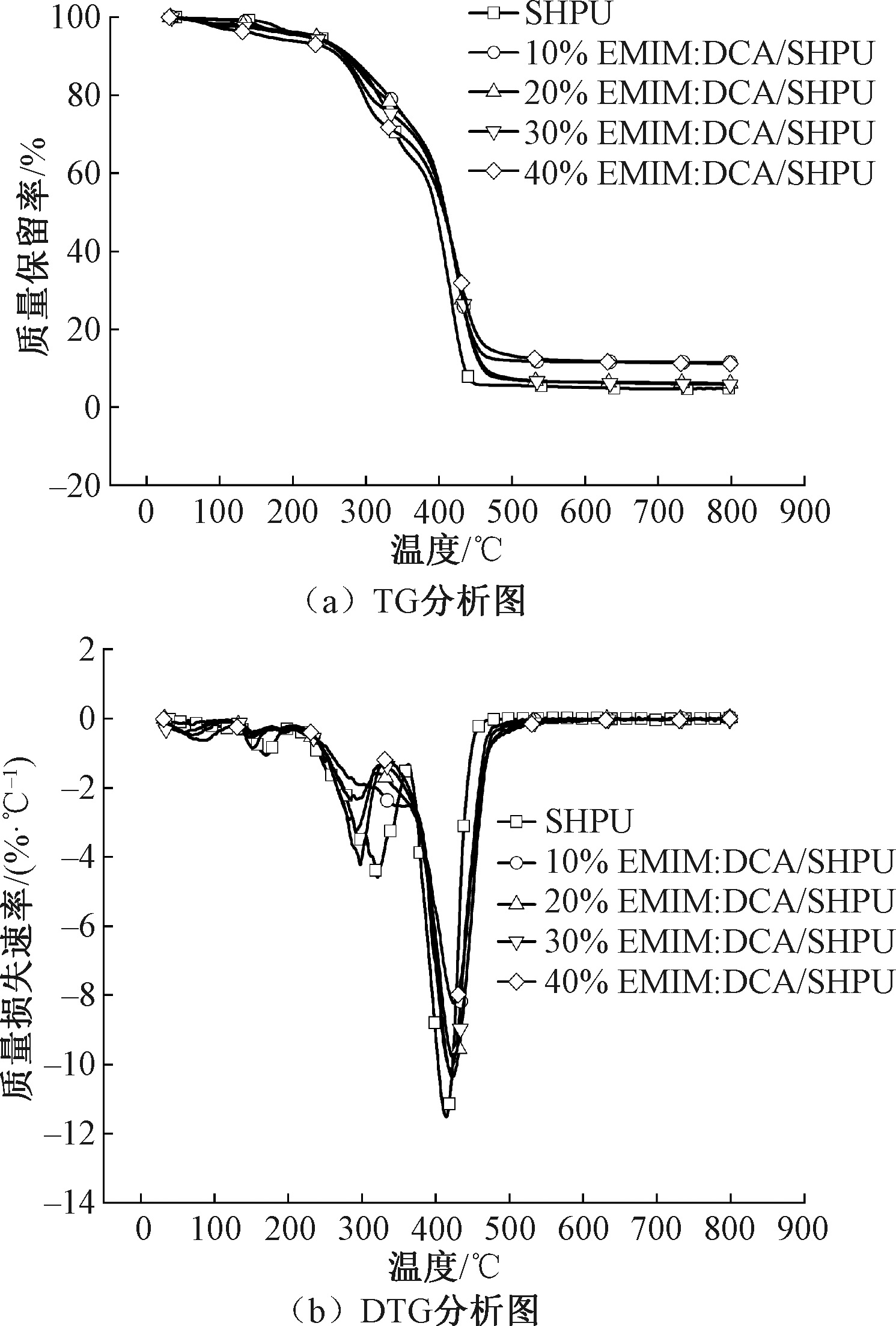
Objective Conventional ionogel sensors are critically limited by dense film formats, suffering from poor moisture/air permeability and wearing comfort. This study combines a self-healing polyurethane (SHPU) matrix, based on dynamic imine-urea bonds, with the ionic liquid EMIM:DCA to create a material engineered in both film and fiber forms. The primary objective is to establish a scalable material fabrication route (solution casting, wet spinning), optimizing conductivity, robust mechanical properties, efficient intrinsic self-healing, and reliable sensing capabilities essential for practical, long-term wearable health monitoring.

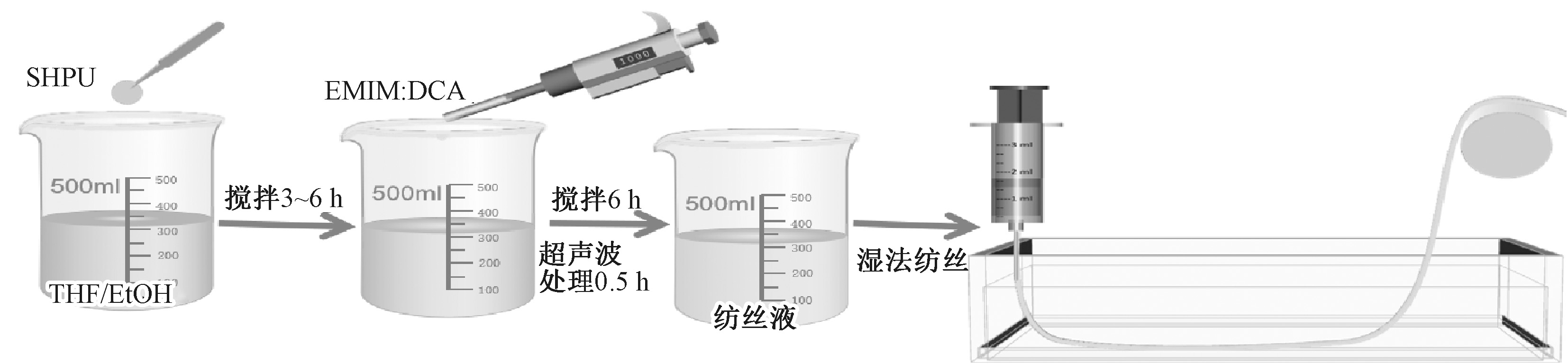
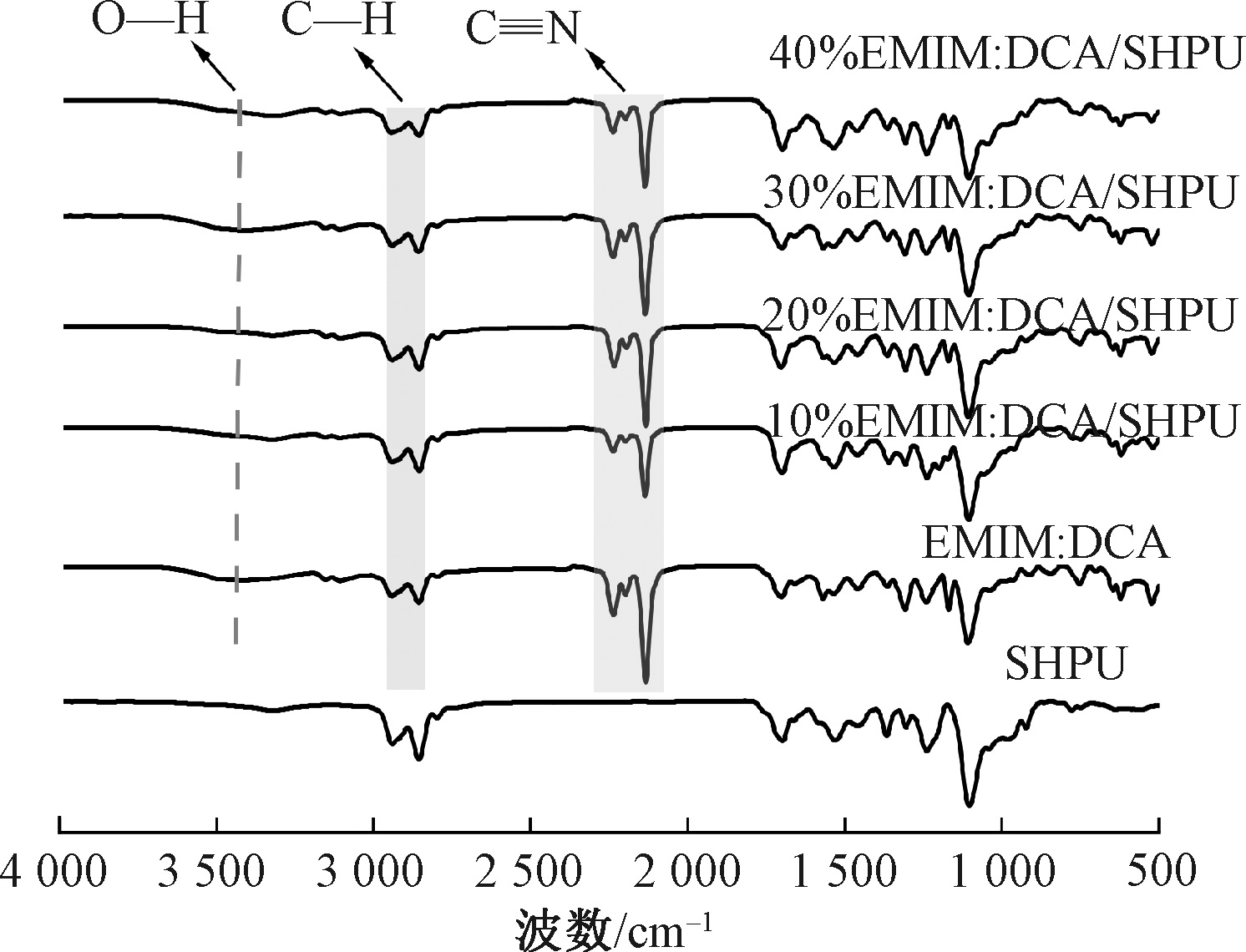
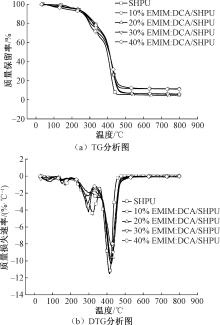
Method SHPU was synthesized via catalytic reaction using poly(tetramethylene ether) glycol (PTMEG), isophorone diisocyanate (IPDI), and dynamic chain extenders (2-amino-4-methyl-6-hydroxypyrimidine (UPy), dimethylglyoxime (DMG) and glycerol). SHPU dissolved in tetrahydrofuran (THF)/ethanol was blended with 10%-40% ionic liquid EMIM:DCA. Films were prepared by solution-casting, and fibers were wet-spun into a water coagulation bath, using solvent ratio and drawing speed to control the fiber morphology. The chemical structure was confirmed by Fourier transform intrared spectroscopy (FT-IR), and surface wettability, thermal stability, mechanical/self-healing properties, and morphology were characterized via contact angle, thermogravimtric analysis (TGA), tensile tests, and scanning electron microscopy (SEM), respectively. Fiber sensing performance was assessed by recording resistance changes during cyclic stretching using a coupled universal tester and source meter.

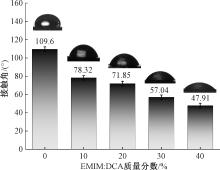
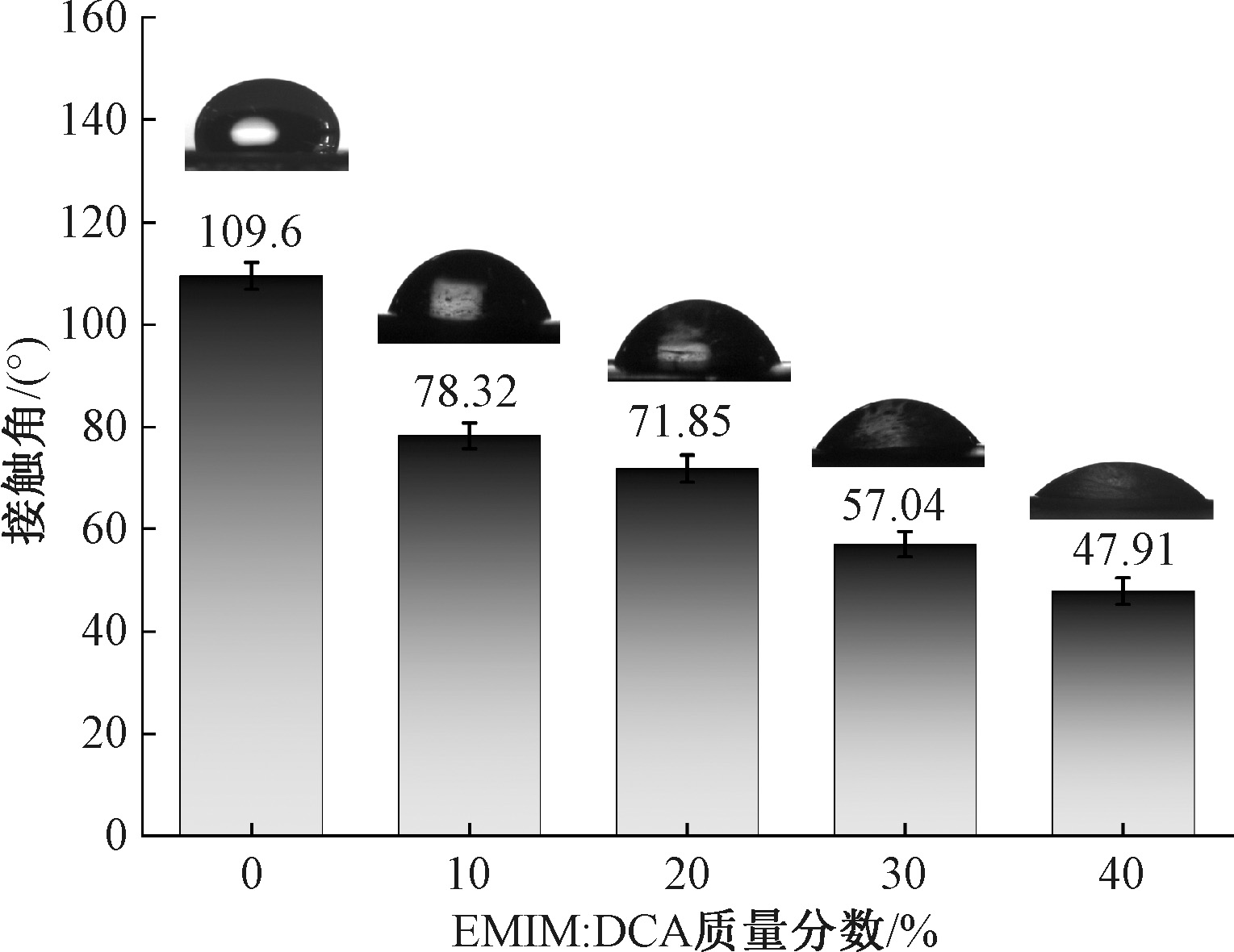
Results The experimental results revealed that the prepared films possess excellent thermal stability, with an initial thermal decomposition temperature exceeding 150 ℃. As EMIM:DCA content increased, the films became noticeably more hydrophilic, with water contact angle decreasing from 109.6° for pure SHPU to 47.91° for films containing 40% EMIM:DCA.

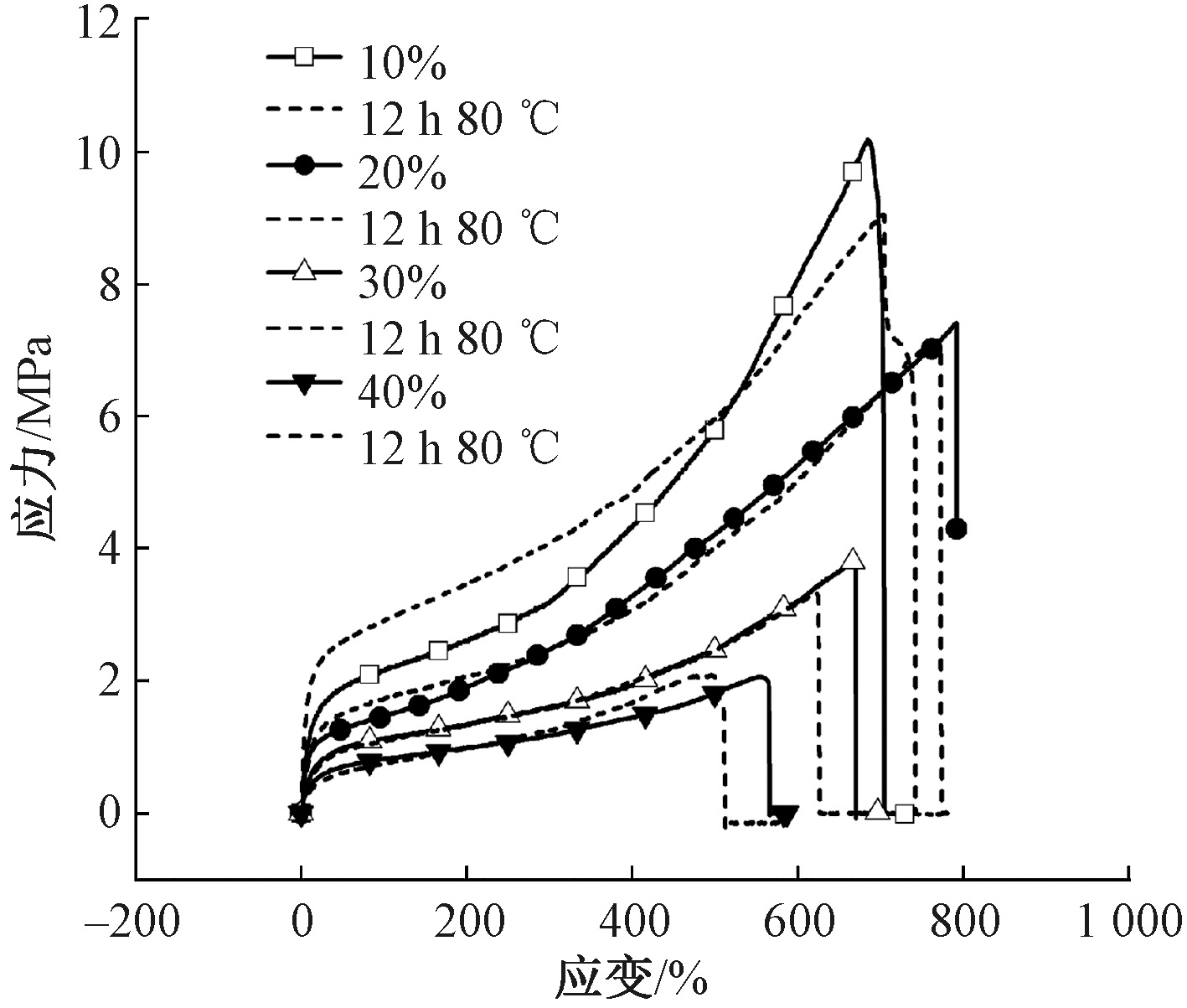
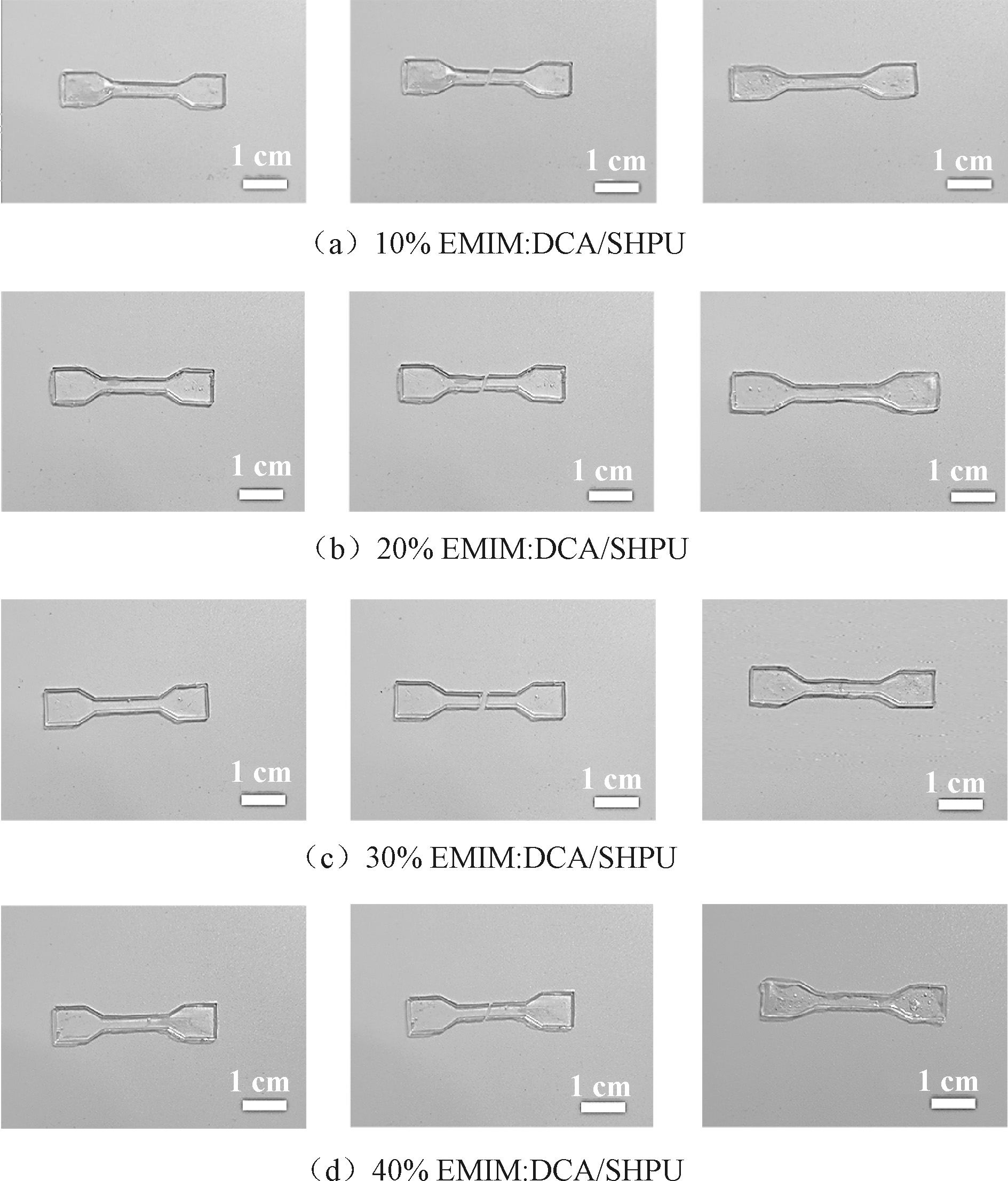
In terms of mechanical properties, the SHPU film containing 10% EMIM:DCA exhibited a tensile strength of 10.2 MPa and an elongation at break of 685%. Higher ionic liquid content caused reduction in strength but improved material compliance. All formulations showed outstanding self-healing ability. After being cut and healed at 80 ℃ for 12 h, stress healing efficiency exceeded 88% and strain healing efficiency exceeded 89% across the series. Notably, the 40% EMIM:DCA film achieved full (100%) stress self-healing. Optical microscopy confirmed that the cut interfaces closed effectively after healing.

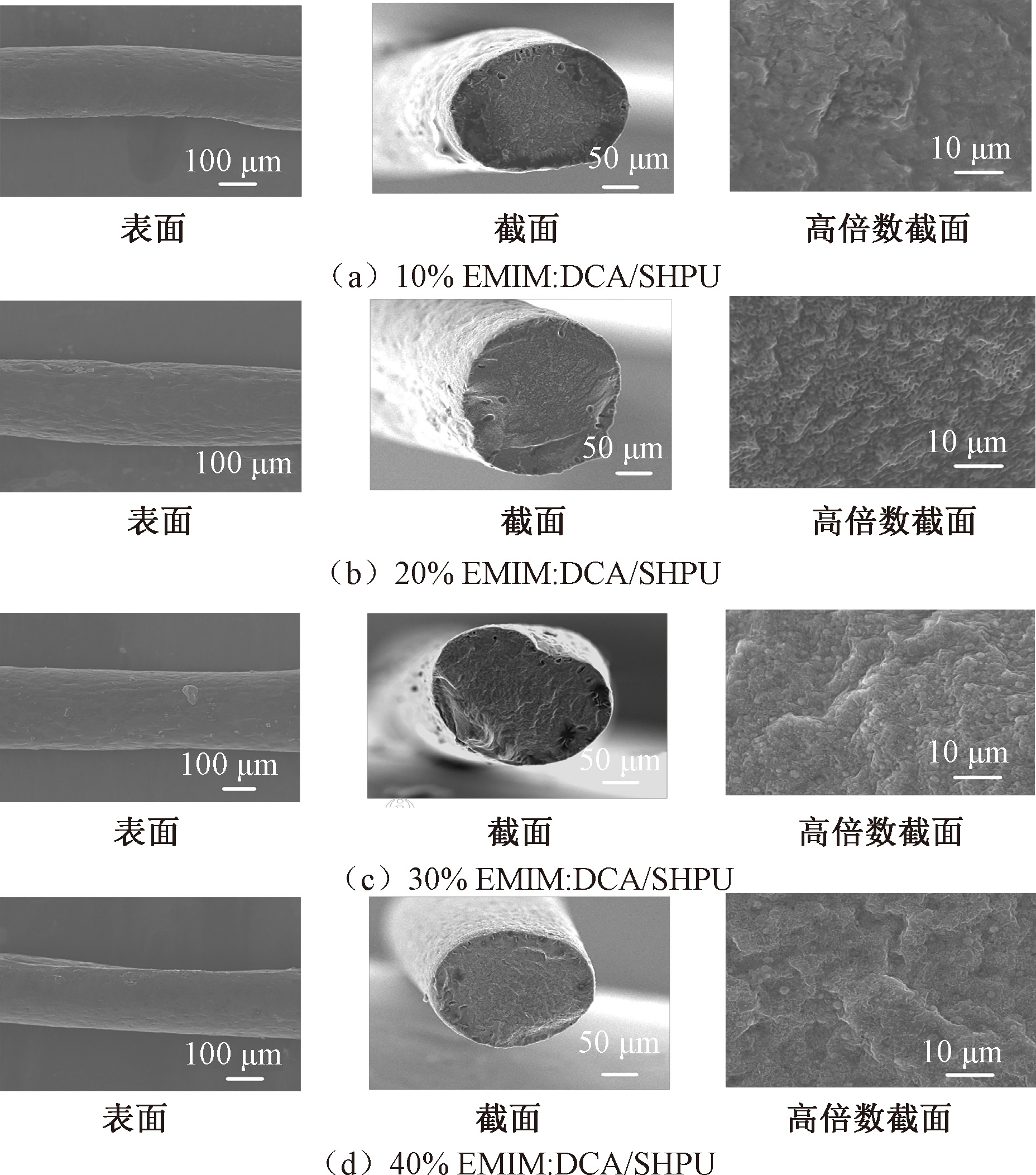
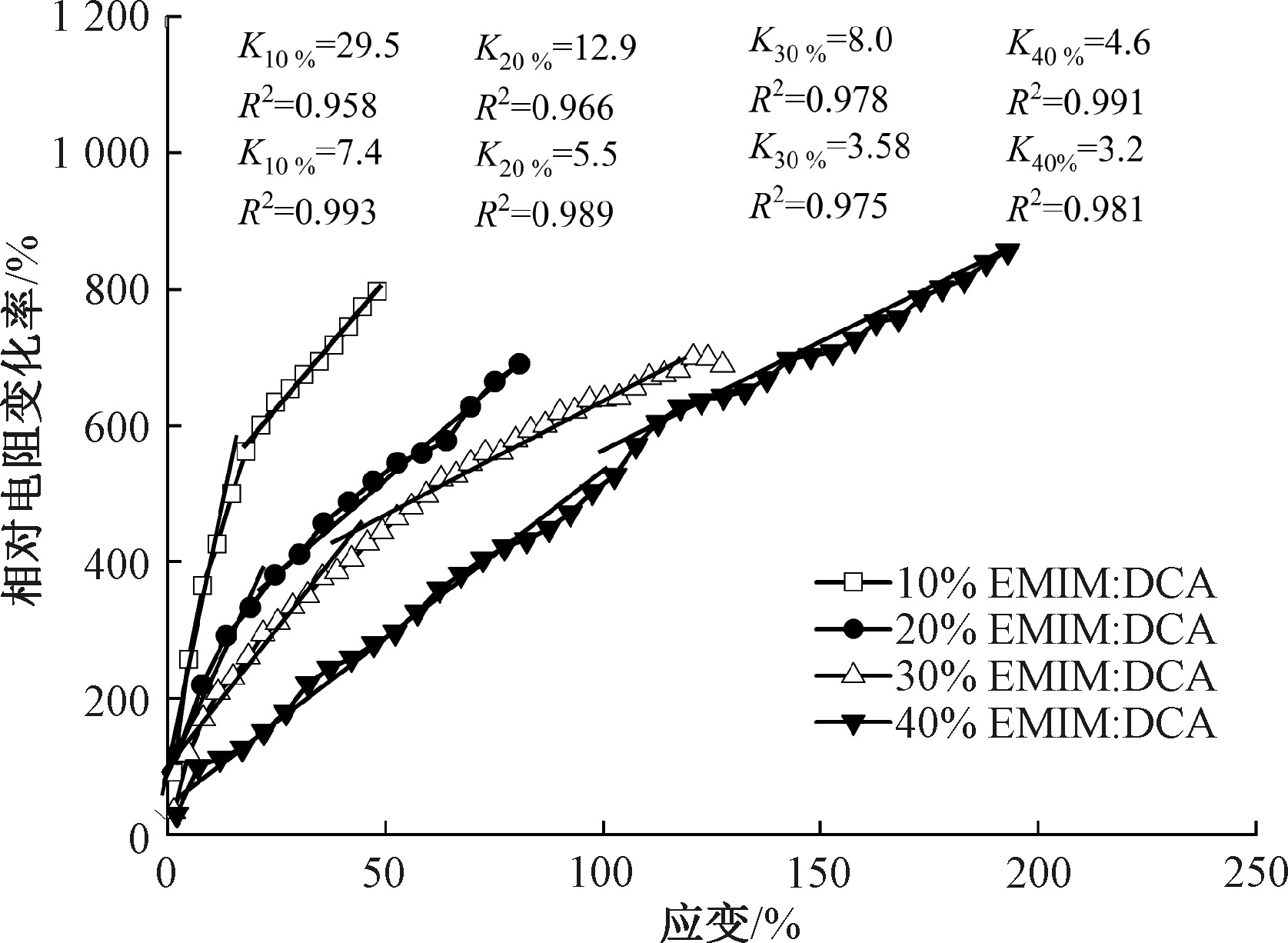
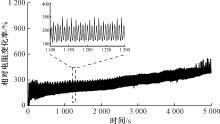
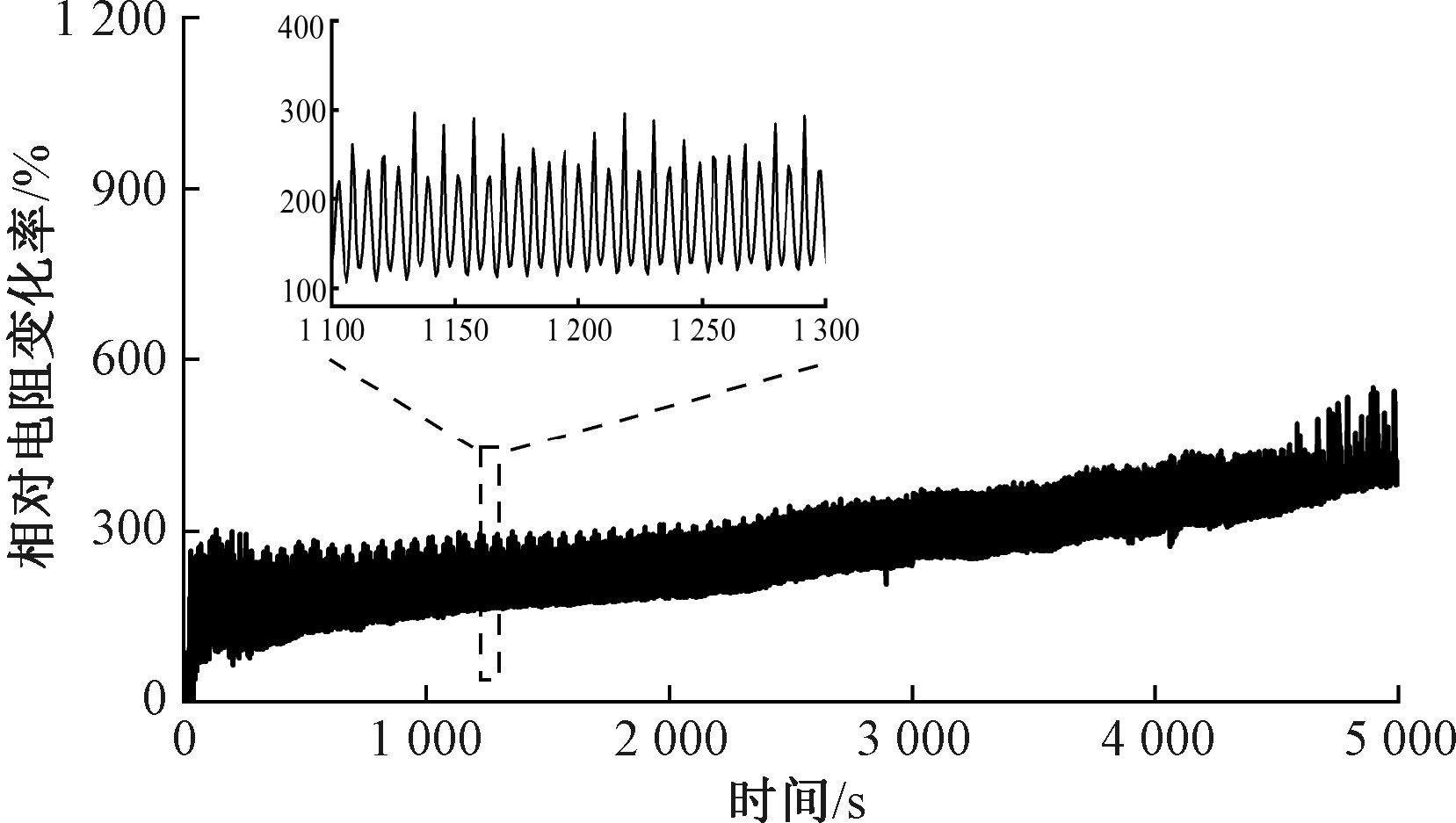
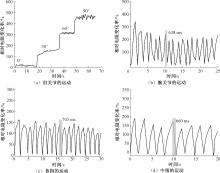
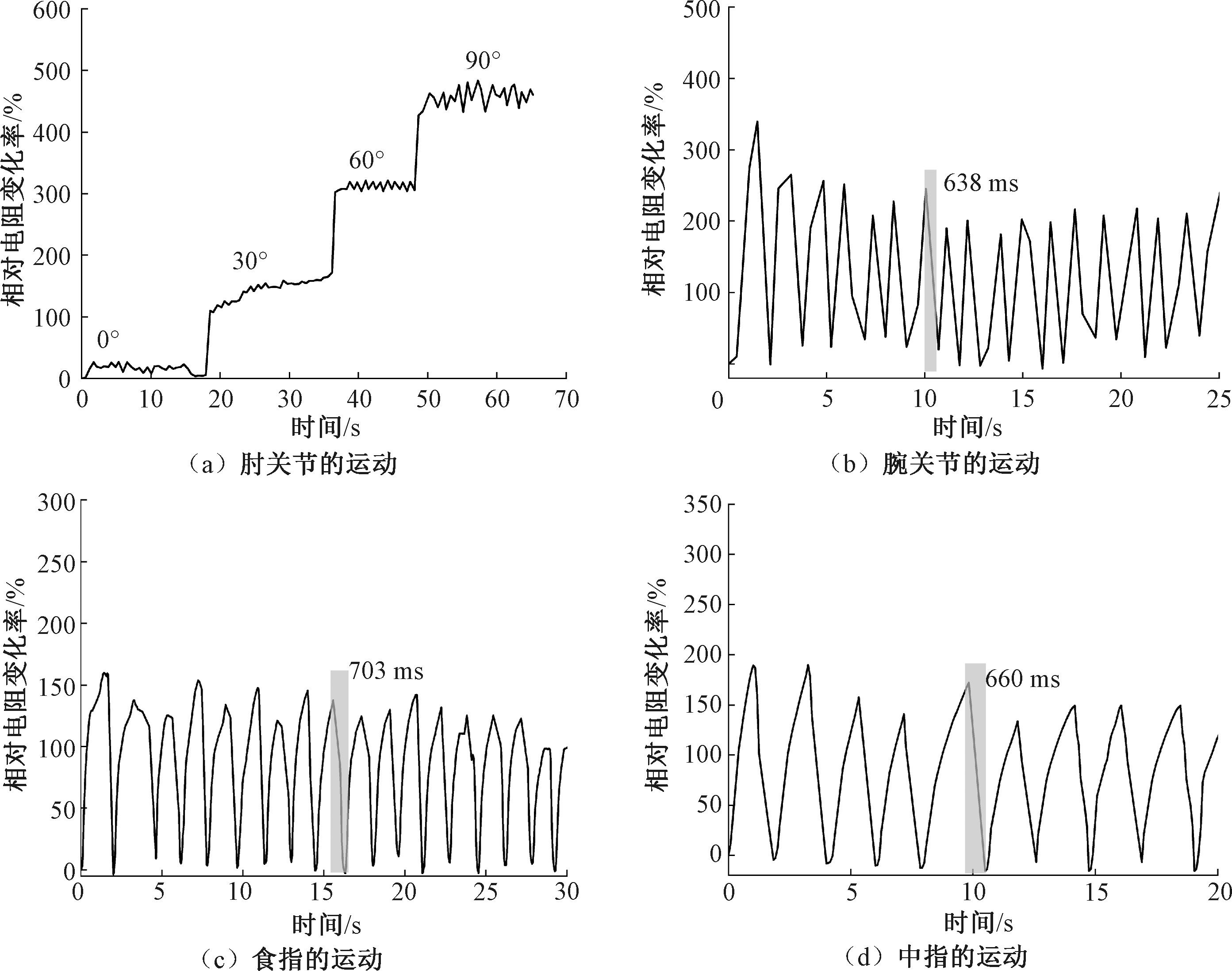
SEM images confirmed that wet spinning produced continuous, uniform EMIM:DCA/SHPU fibers with smooth surfaces without obvious defects. The sensing performance of the fibers depended strongly on the EMIM:DCA content. Fibers with 30% EMIM:DCA offered an optimal balance, acting as effective strain sensors with a gauge factor of 3.58 within the 50%-120% strain range. These sensors responded rapidly, exhibiting both response and recovery times within 703 ms during hand-motion detection. In practical tests, the fiber sensors reliably monitored and distinguished complex human movements. Real-time resistance signals clearly captured variations corresponding to flexion and extension of the wrist, elbow, index finger, and middle finger. For example, elbow bending at different angles (0°, 30°, 60°, 90°) produced a distinct stepwise increase in relative resistance. Moreover, the sensors maintained stable signal output over 500 stretch-release cycles at 50% strain, demonstrating good durability for dynamic motion tracking.

Conclusion EMIM:DCA/SHPU iongel films and fibers with different EMIM:DCA contents were successfully prepared by solution casting and wet spinning techniques. By regulating the content of EMIM:DCA, the sensing performance of the composite materials was enhanced. EMIM:DCA exhibited excellent compatibility with the SHPU matrix and could be uniformly dispersed within the SHPU matrix. The EMIM:DCA/SHPU films showed good mechanical self-healing properties and outstanding thermal stability. After cutting, the EMIM:DCA/SHPU conductive composite fibers could be self-healed. The EMIM:DCA/SHPU conductive fibers featured excellent sensitivity, with both response time and self-healing time for hand movements reaching the millisecond level. The sensors could accurately capture the movement states of the wrist, elbow, fingers and other parts, and output stable resistance response signals, demonstrating broad application potential in the field of flexible sensing.

Key words: functional polymer material, self-healing polyurethane, wet spinning, ionogel fiber, flexible sensor

中图分类号: 

  • TS102.5

图1

EMIM:DCA/SHPU离子凝胶纤维的制备过程图"

图2

SHPU薄膜、EMIM:DCA离子液体和不同EMIM:DCA质量分数的EMIM:DCA/SHPU薄膜的FT-IR图"

图3

不同EMIM:DCA质量分数的EMIM:DCA/SHPU离子凝胶薄膜的接触角"

图4

不同EMIM:DCA质量分数的EMIM:DCA/SHPU薄膜的热重分析图"

图5

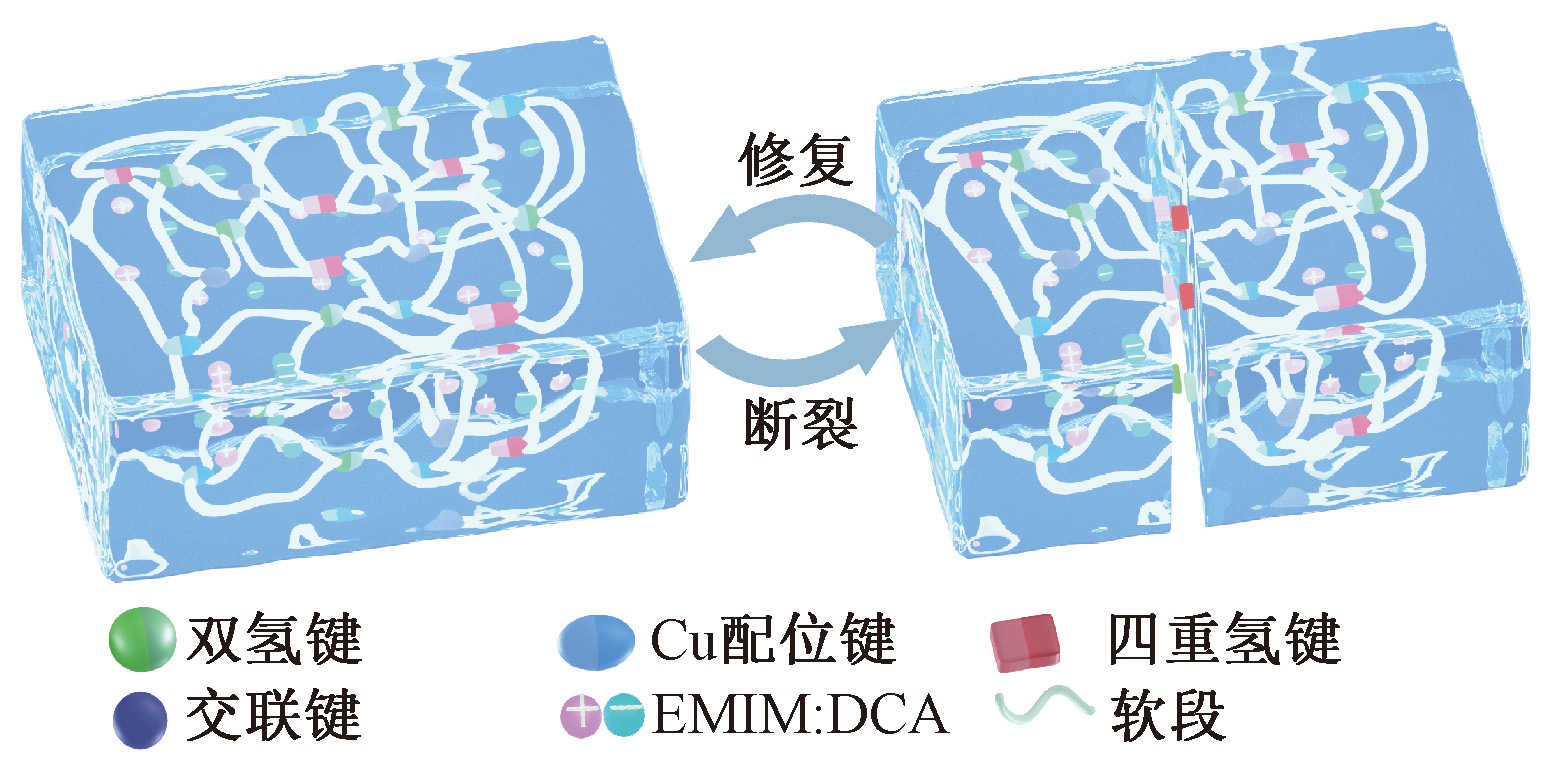
EMIM:DCA/SHPU导电薄膜的自修复机制图"

图6

不同EMIM:DCA质量分数的EMIM: DCA/SHPU薄膜的原始与80 ℃自修复12 h后的应力-应变图"

表1

EMIM:DCA/SHPU薄膜80 ℃自修复12 h后的力学性能修复效率"

试样
编号
EMIM:DCA
质量分数/%
初始强度/
MPa
修复后
强度/MPa
应力自修
复率/%
应变自修
复率/%
1 10 10.23 9.07 88.48 100
2 20 7.37 7.06 95.82 96.84
3 30 3.90 3.45 88.49 93.47
4 40 2.27 2.27 100 89.85

图7

EMIM:DCA/SHPU离子凝胶薄膜的断裂界面自修复性能过程光学图"

图8

EMIM:DCA/SHPU纤维表面、截面、高倍数截面的SEM照片"

图9

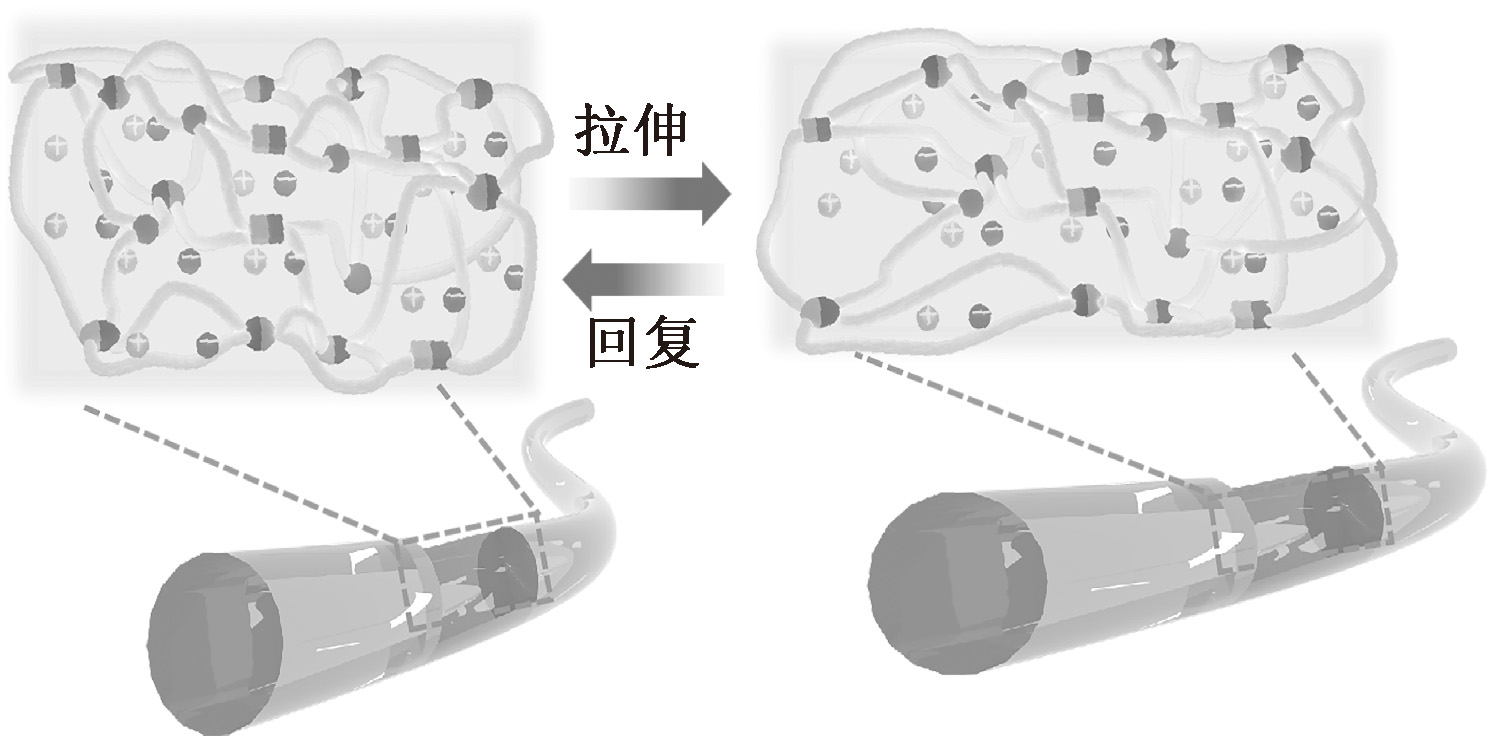
EMIM:DCA/SHPU纤维传感器的传感机制图"

图10

不同EMIM:DCA质量分数的EMIM:DCA/SHPU纤维的电阻-应变曲线图"

图11

EMIM:DCA/SHPU加载-卸载循环500次实验的相对电阻变化曲线"

图12

EMIM:DCA/SHPU传感器的人体运动检测性能"

[1] ZHAO C Z, PARK J, ROOT S E, et al. Skin-inspired soft bioelectronic materials, devices and systems[J]. Nature Reviews Bioengineering, 2024, 2(8): 671-690.
doi: 10.1038/s44222-024-00194-1
[2] YUAN Y M, LIU B H, ADIBEIG M R, et al. Microstructured polyelectrolyte elastomer-based ionotronic sensors with high sensitivities and excellent stability for artificial skins[J]. Advanced Materials, 2024, 36(11): 2310429.
doi: 10.1002/adma.v36.11
[3] 王汉琛, 吴嘉茵, 黄彪, 等. 生物相容性纳米纤维素自愈合水凝胶的构建及其性能[J]. 纺织学报, 2023, 44(12): 17-25.
doi: 10.13475/j.fzxb.20220704301
WANG Hanchen, WU Jiayin, HUANG Biao, et al. Fabrication and properties of biocompatible nanocellulose self-healing hydrogels[J]. Journal of Textile Research, 2023, 44(12): 17-25.
doi: 10.13475/j.fzxb.20220704301
[4] CHEN Z J, SHEN T Y, ZHANG M H, et al. Tough, anti-fatigue, self-adhesive, and anti-freezing hydrogel electrolytes for dendrite-free flexible zinc ion batteries and strain sensors[J]. Advanced Functional Materials, 2024, 34(26): 2314864.
doi: 10.1002/adfm.v34.26
[5] CAI Y W, WANG G G, MEI Y C, et al. Self-healable, super-stretchable and shape-adaptive triboelectric nanogenerator based on double cross-linked PDMS for electronic skins[J]. Nano Energy, 2022, 102: 107683.
doi: 10.1016/j.nanoen.2022.107683
[6] LI M F, LI Q Q, WANG W W, et al. Tough and self-healing polyurethane elastomer and its application for fiber-based self-encapsulating strain sensor[J]. Chemical Engineering Journal, 2025, 513: 162791.
doi: 10.1016/j.cej.2025.162791
[7] 刘锦锋, 杜康存, 肖畅, 等. 多孔MXene/热塑性聚氨酯纤维的制备及其应力应变传感性能[J]. 纺织学报, 2025, 46(3): 41-48.
LIU Jinfeng, DU Kangcun, XIAO Chang, et al. Preparation of porous MXene/thermoplastic polyurethane fiber and its stress-strain sensing performance[J]. Journal of Textile Research, 2025, 46(3): 41-48.
[8] 阳腾, 孙志慧, 伍思钰, 等. 基于聚氨酯/炭黑/锦纶导电纱线的织物应变传感器制备及其性能[J]. 纺织学报, 2024, 45(12): 80-88.
doi: 10.13475/j.fzxb.20230905001
YANG Teng, SUN Zhihui, WU Siyu, et al. Preparation and performance of fabric sensor based on polyurethane/carbon black/polyamide conductive yarn[J]. Journal of Textile Research, 2024, 45(12): 80-88.
doi: 10.13475/j.fzxb.20230905001
[9] FU C Y, WANG K, TANG W Y, et al. Multi-sensorized pneumatic artificial muscle yarns[J]. Chemical Engineering Journal, 2022, 446: 137241.
doi: 10.1016/j.cej.2022.137241
[10] WANG X W, ZHENG S J, XIONG J F, et al. Stretch-induced conductivity enhancement in highly conductive and tough hydrogels[J]. Advanced Materials, 2024, 36(25): 2313845.
doi: 10.1002/adma.v36.25
[11] 于梦菲, 高文丽, 任婧, 等. 摩擦纳米发电机用皮芯结构纤维的制备及其性能[J]. 纺织学报, 2025, 46(5): 1-9.
YU Mengfei, GAO Wenli, REN Jing, et al. Preparation and properties of core-sheath fiber for triboelectric nanogenerator[J]. Journal of Textile Research, 2025, 46(5): 1-9.
doi: 10.1177/004051757604600101
[12] LYU X L, ZHANG H Q, SHEN S T, et al. Multi-modal sensing ionogels with tunable mechanical properties and environmental stability for aquatic and atmospheric environments[J]. Advanced Materials, 2024, 36(45): 2410572.
doi: 10.1002/adma.v36.45
[13] LI H L, XU F C, WANG J L, et al. Self-healing fluorinated poly(urethane urea) for mechanically and environmentally stable, high performance, and versatile fully self-healing triboelectric nanogenerators[J]. Nano Energy, 2023, 108: 108243.
doi: 10.1016/j.nanoen.2023.108243
[14] JIANG N, CHANG X H, HU D W, et al. Flexible, transparent, and antibacterial ionogels toward highly sensitive strain and temperature sensors[J]. Chemical Engineering Journal, 2021, 424: 130418.
doi: 10.1016/j.cej.2021.130418
[1] 赵美宁, 李博, 孙艳丽, 武海良, 田诗溢. 具备光热转化性再生羊毛角蛋白基复合纤维的开发[J]. 纺织学报, 2026, 47(04): 17-25.
[2] 吴欣媛, 董子靖, 王瑞霞, 颜紫玥, 孙庭雯, 胡烨, 吴英楠, 孙润军. 聚氨酯/炭黑导电合股纱的制备及其应变传感性能[J]. 纺织学报, 2026, 47(04): 96-103.
[3] 冯晓莉, 宫钧耀, 夏良君, 徐卫林. 磁电式柔性传感器研究进展[J]. 纺织学报, 2026, 47(03): 107-117.
[4] 郭一铭, 喻爽, 赵帆, 王富军. 血管监测用纤维基压电传感器的构建及性能评价[J]. 纺织学报, 2026, 47(03): 118-128.
[5] 孙小芸, 岳程飞, 张如全. 基于激光诱导石墨烯的柔性温度传感器制备及其性能[J]. 纺织学报, 2026, 47(03): 129-138.
[6] 薛宝霞, 冯佳昕, 邵子洋, 路佳鑫, 刘晶, 牛梅, 张利. 预交联铜离子对羧甲基纤维素抗菌气凝胶纤维结构与性能的影响[J]. 纺织学报, 2026, 47(03): 52-59.
[7] 张苒, 祝仕玲, 王栋, 刘琼珍, 陆莹. 硫化铋/碳纳米管/聚偏二氟乙烯复合温度传感纤维的制备与性能[J]. 纺织学报, 2026, 47(02): 18-25.
[8] 王彬, 侯泽明, 徐英俊, 王玉忠. 高阻燃性再生纤维素纤维的制备及其性能[J]. 纺织学报, 2026, 47(02): 47-55.
[9] 刘一鸣, 李琳, 杜鲜晶, 刘攀, 殷霞, 田明伟. 内螺旋结构弹性导电纱线的制备及其应变不敏感性能的调控[J]. 纺织学报, 2026, 47(01): 115-122.
[10] 邵剑波, 岳欣琰, 陈雨, 韩潇, 洪剑寒. 全针织结构多模态柔性电容传感器的构筑及其传感性能[J]. 纺织学报, 2026, 47(01): 123-131.
[11] 胡崴琳, 白洁, 刘丹, 白濛, 李娟, 李启正. 基于机器学习模型的电子纺织品研究进展[J]. 纺织学报, 2026, 47(01): 268-276.
[12] 陈克林, 李卓, 王晓歌, 李成晋, 胡建臣, 张克勤. 微流控湿法纺丝制备基于聚羟基脂肪酸酯的光致变色纤维及其性能[J]. 纺织学报, 2026, 47(01): 46-53.
[13] 刘轲, 王雨曦, 程盼, 朱丽萍, 夏明, 梅涛, 向阳, 周丰, 高飞, 王栋. 多孔磺化氢化苯乙烯-丁二烯嵌段共聚物纤维膜制备及其吸附性能[J]. 纺织学报, 2025, 46(12): 1-10.
[14] 张莹, 郭明靖, 王利君. 针织结构温度传感器设计及其着装传感性能[J]. 纺织学报, 2025, 46(12): 123-132.
[15] 邓晶, 王蕊宁, 孙润军, 张亚娟, 郭海冰, 雷轲. 用于脉搏监测的海藻酸钠改性水性聚氨酯/液态金属导电传感纤维[J]. 纺织学报, 2025, 46(12): 74-82.
Viewed
Full text


Abstract

Cited

  Shared   
  Discussed   
No Suggested Reading articles found!